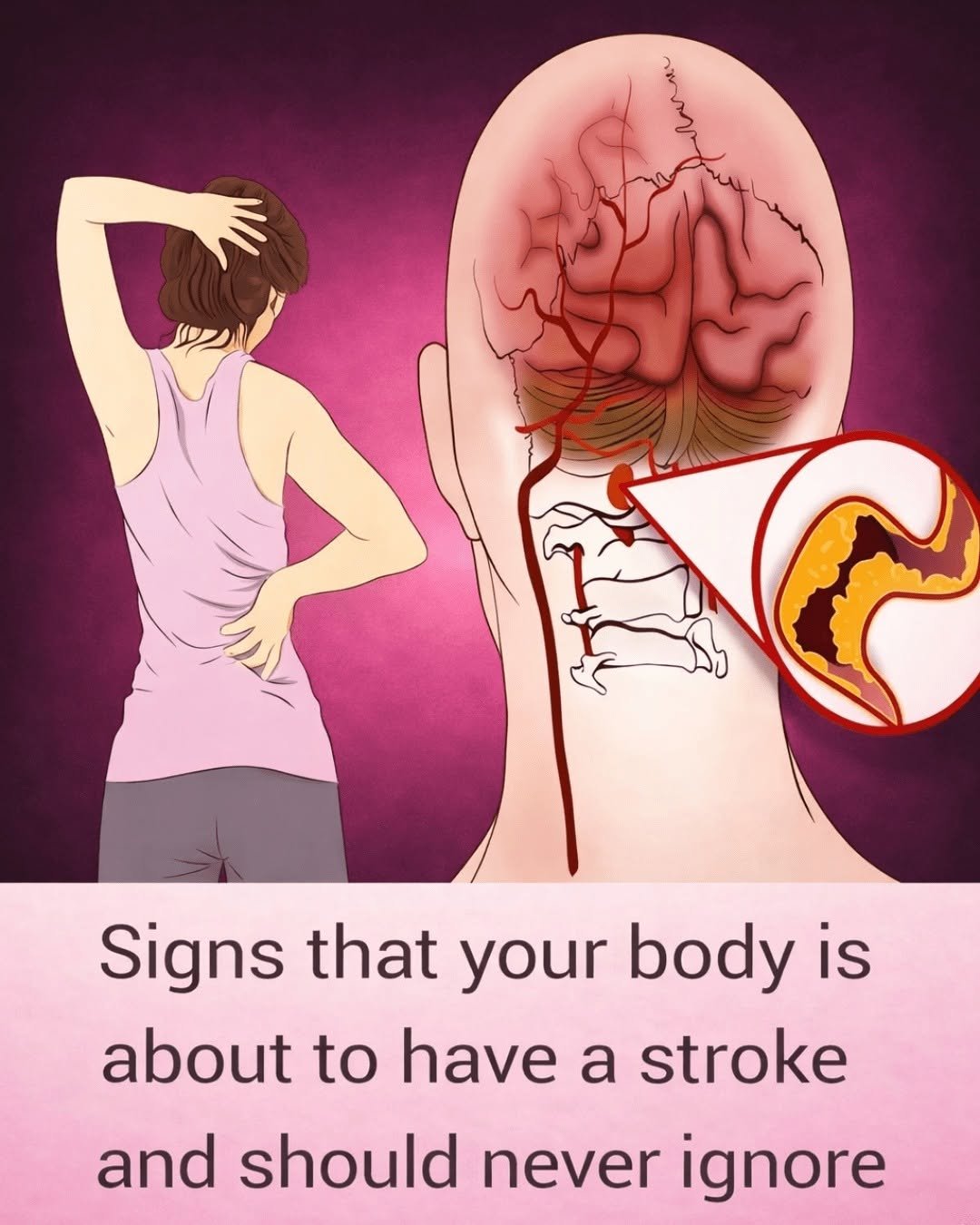
Recognizing the early warning signs of a stroke and acting immediately is critical. A stroke occurs when blood flow to part of the brain is interrupted or reduced, depriving brain tissue of oxygen and nutrients. Because brain cells begin dying within minutes, prompt medical intervention can drastically reduce long-term disability and save lives.
The most widely recognized tool for identifying a stroke is the FAST acronym, alongside several other vital warning signs.
The FAST Warning Signs
-
F – Face Drooping: Does one side of the face droop, or is it numb? Ask the person to smile to check for an uneven or asymmetrical smile.
-
A – Arm Weakness: Is one arm weak or numb? Ask the person to raise both arms. Does one drift downward or fail to rise equally?
-
S – Speech Difficulty: Is their speech slurred, are they unable to speak, or do they sound hard to understand? Ask them to repeat a simple sentence (e.g., “The grass is green”).
-
T – Time to Call Emergency Services: If you observe any of these signs—even if they go away—call emergency services immediately. Note the exact time the symptoms first appeared, as this information is crucial for doctors determining treatment options.
Additional Critical Signs of a Stroke
Beyond the FAST framework, a stroke can affect various parts of the brain, leading to other sudden symptoms:
-
Sudden Confusion: Trouble understanding speech, sudden disorientation, or difficulty comprehending simple statements.
-
Sudden Trouble Seeing in One or Both Eyes: A sudden darkening, blurring, or double vision in one or both eyes.
-
Sudden Trouble Walking: Loss of balance, unsteadiness, dizziness, or a sudden lack of coordination.
-
Sudden Severe Headache: A sudden, intensely severe headache with no known cause, often described as the “worst headache of one’s life,” which can indicate a hemorrhagic stroke (bleeding in the brain).
-
Sudden Numbness or Weakness: Sudden numbness, weakness, or paralysis, particularly affecting one entire side of the body (face, arm, or leg).
What to Do Immediately
-
Call Emergency Services Right Away: Never wait to see if symptoms will pass on their own. Time is brain tissue.
-
Note the Time: Keep track of when the very first symptoms started. Certain clot-busting treatments must be administered within a strict time window from the onset of symptoms.
-
Keep the Person Calm and Safe: Help them lie down in a comfortable position, ideally with their head slightly elevated. Do not give them anything to eat, drink, or take (such as aspirin), as a stroke can impair swallowing and breathing safety.
