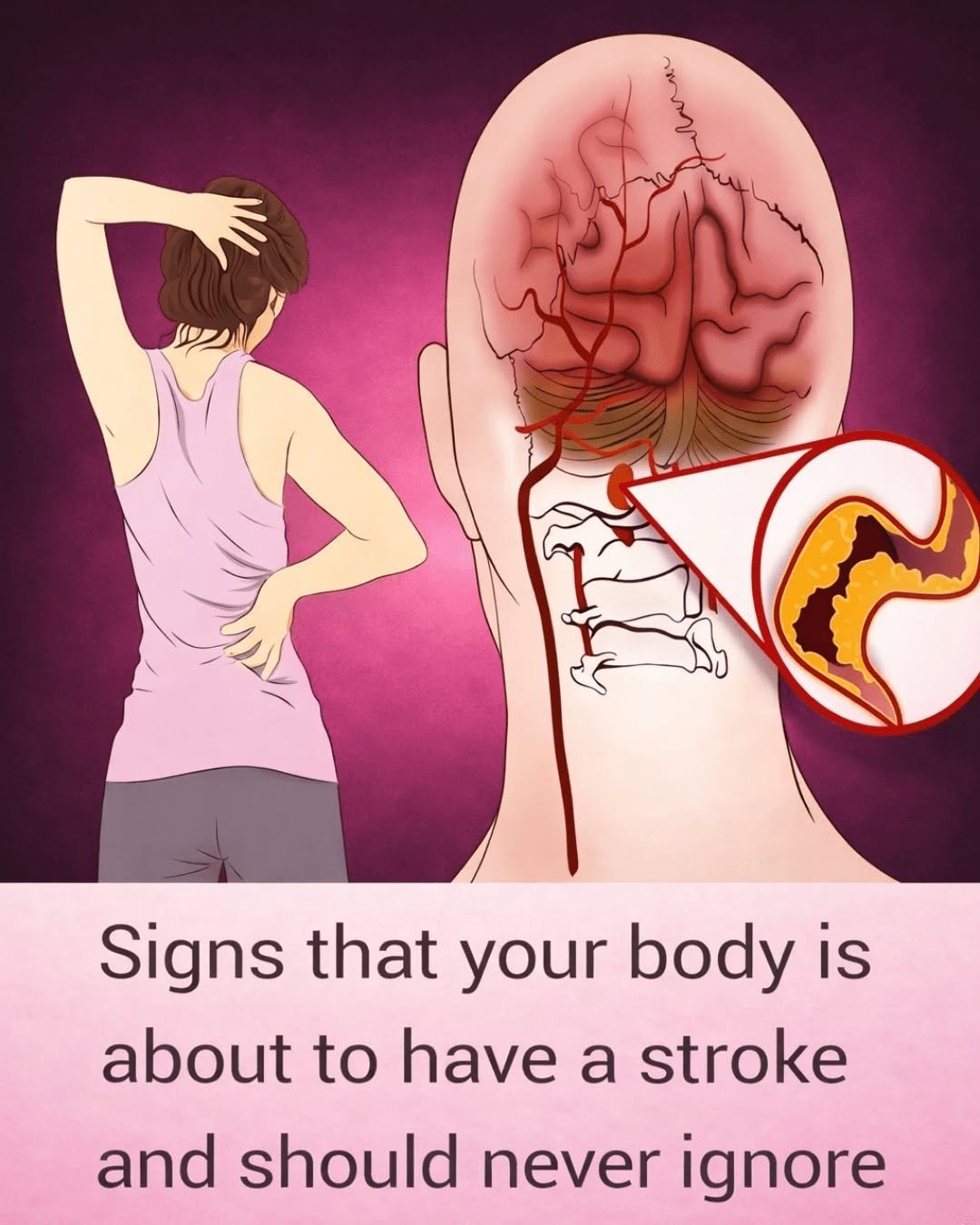
Recognizing the early warning signs of a stroke and acting immediately can save a life or prevent long-term disability. Because a stroke disrupts blood flow to the brain, every minute counts as brain cells are deprived of vital oxygen.
To help you remember the most critical indicators quickly, medical professionals rely on the FAST acronym, alongside several other sudden warning signs.
The FAST Warning Signs
-
F – Face Drooping: Does one side of the face droop, or is it numb? Ask the person to smile to see if their smile is uneven.
-
A – Arm Weakness: Is one arm weak or numb? Ask the person to raise both arms. Does one drift downward, or is it unable to rise?
-
S – Speech Difficulty: Is their speech slurred, are they unable to speak, or do they sound strange? Ask them to repeat a simple sentence, like “The sky is blue.”
-
T – Time to Call Emergency Services: If you observe any of these signs—even if they fluctuate or disappear—call emergency services immediately. Note the exact time symptoms first began, as this window dictates critical medical treatments.
7 Additional Early Warning Signs to Watch For
Beyond the FAST framework, a stroke can affect different areas of the brain, leading to other sudden and distinct symptoms:
-
Sudden Confusion: Trouble understanding speech, sudden disorientation, or difficulty comprehending simple statements.
-
Sudden Vision Changes: A sudden loss of vision, blurring, darkening, or double vision in one or both eyes.
-
Sudden Trouble Walking: A sudden loss of balance, unsteadiness, dizziness, or a total lack of coordination.
-
Sudden Severe Headache: An intensely severe, blinding headache with no known cause, often described as the “worst headache of your life,” which can signal bleeding in the brain.
-
Sudden Numbness: Sudden numbness or paralysis affecting one entire side of the body, such as one leg or one complete half of the torso.
-
Sudden Dizziness or Loss of Equilibrium: A feeling of spinning or sudden clumsiness accompanied by nausea or vomiting.
-
Sudden Unexplained Fatigue or Stupor: An abrupt change in responsiveness or sudden lethargy without an apparent cause.
What to Do Immediately
-
Call Emergency Services Right Away: Never wait to see if symptoms will improve on their own.
-
Track the Onset Time: Look at a clock and remember when the symptoms started.
-
Keep the Person Safe: Help them lie down in a comfortable position, loosen any tight clothing around the neck, and do not give them anything to eat, drink, or medication (such as aspirin), as a stroke can impair swallowing safety.
