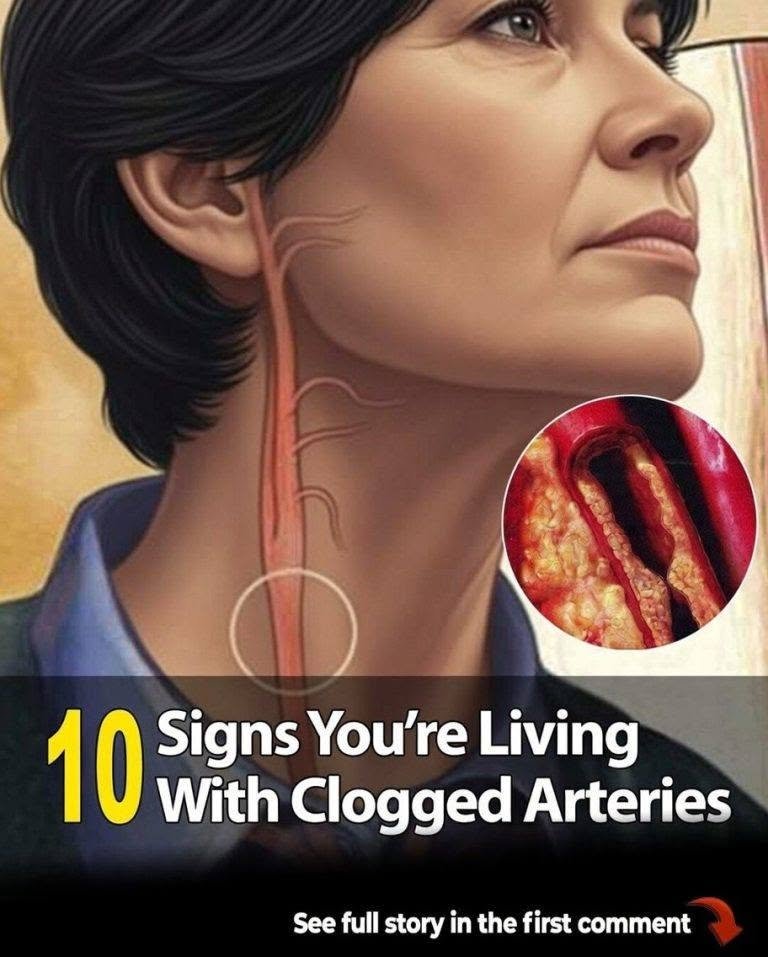
While many cardiovascular conditions develop silently, your body often sends subtle or distinct warning signals when plaque buildup (atherosclerosis) significantly narrows your arteries and restricts blood flow. Recognizing these red flags early can be life-saving.
Here are 10 key indicators of blocked or restricted arteries that you should never ignore:
1. Intermittent Claudication (Leg Pain or Cramping During Walking)
-
What it feels like: A consistent aching, cramping, numbness, or heaviness in your calves, thighs, or buttocks that consistently triggers when you walk a certain distance and disappears after a few minutes of rest.
-
Why it happens: This is a hallmark sign of Peripheral Artery Disease (PAD), indicating that plaque buildup has narrowed the major arteries supplying blood to your lower limbs, starving your muscles of oxygen during exertion.
2. Angina (Chest Pain, Pressure, or Tightness)
-
What it feels like: A squeezing, pressure, fullness, or aching sensation in the center or left side of your chest. It is typically triggered by physical exertion or emotional stress and eases up when you stop and rest.
-
Why it happens: Angina occurs when your coronary arteries are narrowed so severely that the heart muscle isn’t receiving enough oxygen-rich blood to keep up with demand.
3. Shortness of Breath (Exertional Dyspnea)
-
What it feels like: Feeling drastically winded or struggling to catch your breath during routine physical activities—like climbing a flight of stairs or carrying groceries—that used to feel effortless.
-
Why it happens: When coronary arteries are blocked, your heart struggles to pump efficiently, causing fluid to back up slightly into the lungs or signaling that the heart muscle is overworked.
4. Unexplained Chronic Fatigue and Exhaustion
-
What it feels like: A profound, sudden, or persistent feeling of physical exhaustion and weakness that sleep doesn’t fix, often making even minor daily tasks feel overwhelming.
-
Why it happens: If your heart has to pump harder through restricted blood pathways to supply the body, overall systemic efficiency drops, leaving you drained.
5. Transient Ischemic Attacks (TIAs) or “Mini-Strokes”
-
What it feels like: Sudden, temporary bouts of weakness or numbness—especially on one side of the body—slurred speech, temporary loss of vision in one eye, or sudden dizziness.
-
Why it happens: TIAs occur when a carotid artery supplying blood to the brain is temporarily blocked by plaque or a micro-embolus. They serve as a critical warning sign for a full-scale stroke.
6. Cold Extremities and Weak Pulses
-
What it feels like: Consistently cold hands or feet, pale or bluish skin tone in the fingers and toes, or a noticeably weak pulse in your wrists or ankles.
-
Why it happens: Advanced arterial narrowing restricts peripheral blood flow, preventing warm, oxygenated blood from reaching the body’s outer extremities effectively.
7. Erectile Dysfunction (ED)
-
What it feels like: Persistent difficulty achieving or maintaining an erection.
-
Why it happens: The arteries supplying the pelvic region are significantly smaller than the coronary arteries. Consequently, vascular endothelial dysfunction and arterial narrowing often show up here years before a major cardiac event, making ED an important early cardiovascular red flag in men.
8. Pain, Coldness, or Numbness in the Jaw, Neck, or Back
-
What it feels like: A dull, aching pain, pressure, or tightness radiating into the lower jaw, neck, upper back, or down one or both arms (particularly the left arm).
-
Why it happens: Cardiac pain is notoriously “referred,” meaning the brain can misinterpret pain signals originating from a oxygen-starved heart muscle as coming from adjacent upper-body structures.
9. Dizziness, Lightheadedness, or Fainting Spells
-
What it feels like: Sudden dizzy spells, unsteadiness, or fainting (syncope) when standing up or exerting yourself.
-
Why it happens: If blocked arteries or carotid stenosis impair steady blood flow and oxygen delivery to the brain or cause sudden drops in blood pressure, balance and consciousness are directly affected.
10. Non-Healing Sores or Ulcers on the Feet or Toes
-
What it feels like: Cuts, scrapes, or sores on your lower legs or feet that stubbornly refuse to heal, often accompanied by thin, shiny skin on the shins or slow-growing toenails.
-
Why it happens: Severe peripheral arterial blockages deny tissues the rich supply of oxygen, white blood cells, and nutrients required for basic cellular repair and wound healing.
When to Seek Medical Attention
If you experience chronic, unexplained physical symptoms like exertional chest pain, leg cramping during walks, or sudden neurological changes, do not brush them off as normal signs of aging. Schedule a thorough evaluation with your physician or cardiologist. Simple non-invasive tests, such as an ankle-brachial index (ABI), carotid ultrasound, or a cardiac stress test, can accurately assess your arterial health and help prevent a major cardiovascular emergency.
