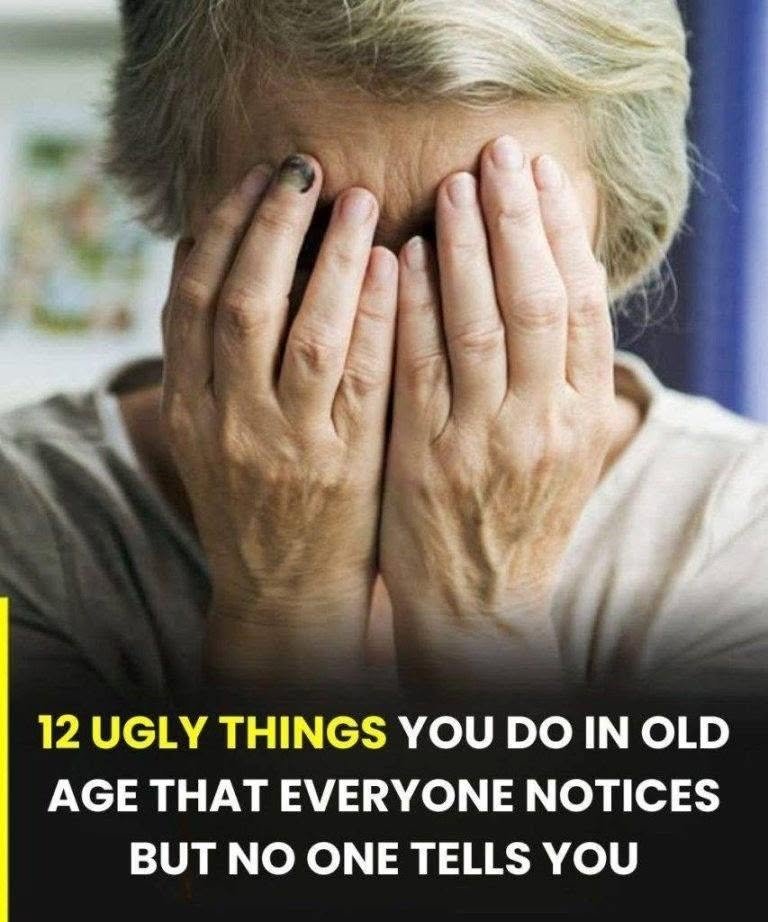
Sensationalist clickbait articles love using harsh, shaming language like “12 nasty things you do in old age” to generate clicks through embarrassment and anxiety. In gerontology, clinical nursing, and family medicine, these behaviors are rarely about being “nasty”—they are normal, understandable physiological, sensory, or neurological shifts that happen as the human body ages.
Instead of treating them as social taboos, healthcare providers look at these occurrences through a lens of empathy, dignity, and practical management.
The Physiological Reality Behind Aging “Taboos”
When clickbait lists target older adults, they almost always point to a few common sensory and physiological realities:
-
Olfactory Decline (Reduced Sense of Smell)
-
What people notice: Wearing too much perfume or cologne, or not noticing household odors.
-
The medical reality: The olfactory nerves naturally degrade with age, meaning older adults genuinely cannot smell scents as strongly as younger people do.
-
-
Sensory Adaptation to Personal Environment
-
What people notice: Clutter accumulating in living spaces or changes in personal housekeeping standards.
-
The medical reality: Declining visual acuity, reduced stamina, or chronic joint pain (like arthritis) make deep-cleaning and organizing physically exhausting or difficult to spot in dim lighting.
-
-
Altered Taste Buds and Saliva Production
-
What people notice: Over-salting food, eating overly sweet items, or dropping crumbs.
-
The medical reality: Taste buds diminish in number over time, and dry mouth (often caused by common medications) alters how food is tasted and chewed.
-
-
Changes in Auditory Processing
-
What people notice: Speaking very loudly in public spaces or turning the television volume up high.
-
The medical reality: Age-related high-frequency hearing loss (presbycusis) makes it difficult for individuals to gauge the volume of their own voice relative to background noise.
-
-
Incontinence and Mild Olfactory Desensitization
-
What people notice: Subtle changes in home or personal scent.
-
The medical reality: Weakening pelvic floor muscles or urinary urgency can lead to minor accidents, and because olfactory fatigue sets in, the individual may not realize the scent is noticeable to others.
-
-
Skin and Tactile Changes
-
What people notice: Wearing the same comfortable sweater or outfit repeatedly.
-
The medical reality: Thinning skin, chronic body temperature dysregulation, and tactile sensitivities make certain fabrics uncomfortable, leading older adults to rely on soft, familiar garments for warmth and comfort.
-
-
Fine Motor Skill Shifts
-
What people notice: Fumbling with change, messy handwriting, or difficulty handling small items at restaurants or stores.
-
The medical reality: Conditions like mild neuropathy, arthritis, or stiffness in the joints reduce finger dexterity and hand-eye coordination.
-
-
Fatigue-Driven Posture and Gait Changes
-
What people notice: Shuffling feet or resting hands on tables or walls for balance.
-
The medical reality: Loss of muscle mass (sarcopenia), joint stiffness, and inner ear balance adjustments change how a person navigates physical space.
-
-
Repetitive Storytelling
-
What people notice: Retelling the same stories or memories multiple times during a conversation.
-
The medical reality: Short-term memory changes mean long-term, emotionally resonant memories become the most comfortable and accessible touchpoints for social connection.
-
-
Dietary Fixations
-
What people notice: Eating the exact same simple meals day after day.
-
The medical reality: Digestional shifts, dental changes, or the sheer exhaustion of cooking for one or two people often lead to routines centered around safe, easily digestible foods.
-
-
Slower Processing and Response Times
-
What people notice: Hesitating before answering a question or taking longer to navigate a checkout line.
-
The medical reality: Neurological processing speed naturally slows with age, requiring more time to organize thoughts and coordinate actions.
-
-
Hoarding or Difficulty Discarding Items
-
What people notice: Keeping old receipts, containers, or broken items.
-
The medical reality: For older generations, items often represent security, thriftiness, or deep sentimental anchors tied to a lifetime of memories, making letting go emotionally heavy.
-
Cultivating Compassion and Support
Approaching these topics with loved ones requires grace rather than judgment. Simple, supportive adjustments—like upgrading home lighting, reviewing medications that cause dry mouth or dizziness, scheduling routine hearing and vision checks, or offering gentle, private assistance—help preserve autonomy and mutual respect.
Are you looking at how to support an aging family member’s independence and daily comfort, or exploring general healthy aging strategies?
