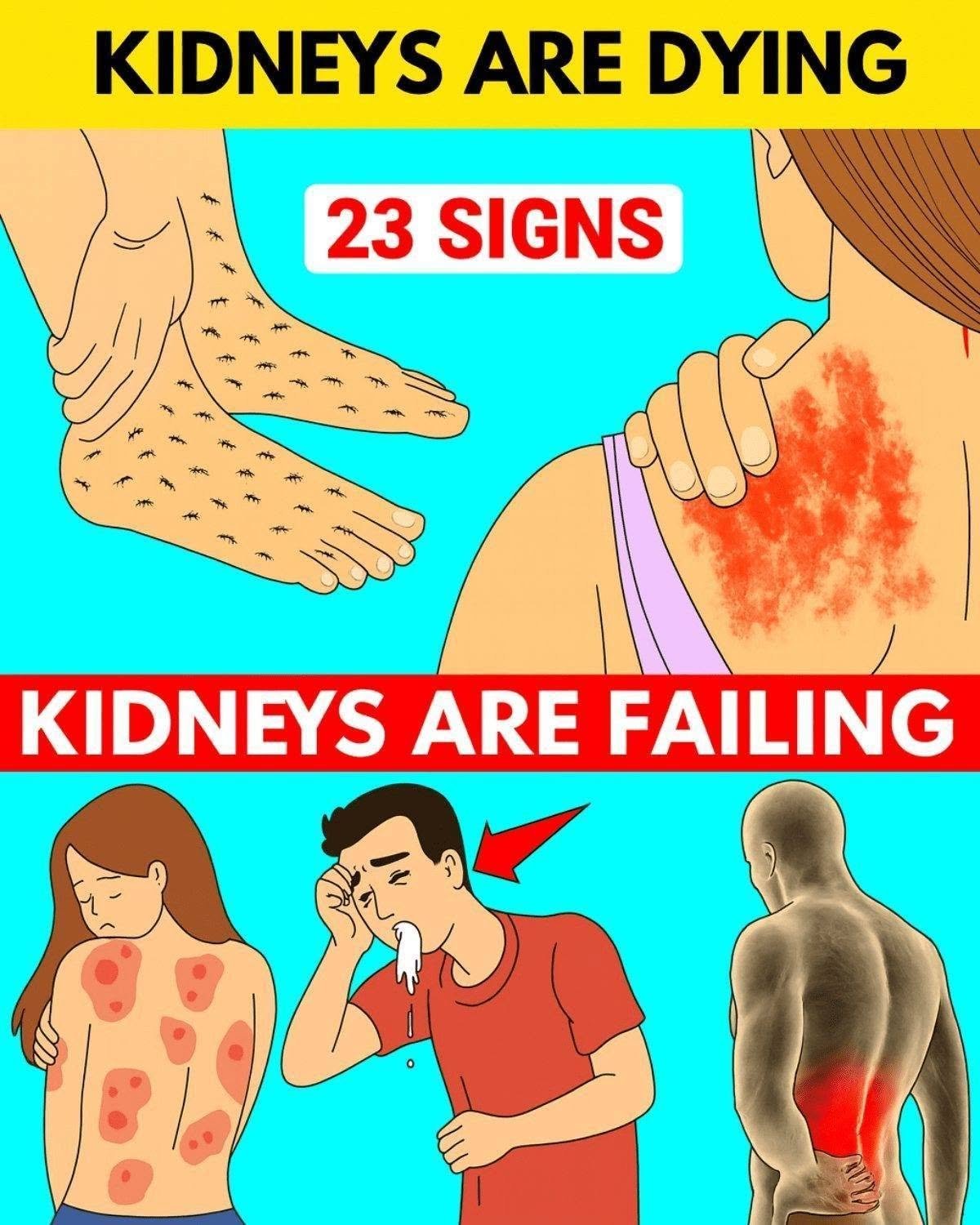
Because the kidneys manage fluid balance, filtration, electrolyte regulation, and hormone production, when they begin to struggle, the effects can ripple through unexpected parts of the body.
While classic markers like high blood pressure or routine lab changes are well-known, kidney trouble can manifest in several unusual or surprising ways.
23 Unexpected and Subtle Signs of Kidney Strain
-
1. Foamy or Bubbly Urine: Excess protein (albumin) leaking through damaged filters creates a persistent froth that resembles scrambled eggs.
-
2. Periorbital Edema (Puffy Eyes): Noticeable swelling or puffiness around the eyes, especially in the morning, caused by protein loss in the urine.
-
3. Metallic Taste in the Mouth: A buildup of urea and waste products (uremia) alters taste buds and can make food taste strange.
-
4. Ammonia Breath (Uremic Breath): Bad breath caused by nitrogen waste accumulation that the kidneys fail to clear.
-
5. Severe, Unyielding Skin Itching (Pruritus): Mineral imbalances—specifically high phosphorus levels—cause deep, relentless itching beneath the skin.
-
6. Restless Legs Syndrome (RLS): An uncontrollable urge to move the legs, frequently linked to toxin buildup or nerve irritation from kidney decline.
-
7. Changes in Urine Color: Urine that looks dark tea-colored, brownish, or pink/red from blood cells slipping past damaged filters.
-
8. Nocturia (Waking Up to Pee): Needing to get up multiple times at night because the kidneys lose their ability to concentrate urine.
-
9. Lower Back or Flank Pain: A dull, persistent ache in the mid-to-lower back or sides (though many chronic kidney issues are painless).
-
10. Swelling in Hands, Feet, or Ankles: Fluid retention (edema) occurring because the body cannot effectively excrete extra sodium and water.
-
11. Persistent Fatigue and Weakness: Falling levels of EPO (erythropoietin) lead to anemia, starving tissues of oxygen.
-
12. Brain Fog and Poor Concentration: Mild confusion or trouble focusing caused by a combination of anemia and circulating waste toxins.
-
13. Unexplained Muscle Cramps: Electrolyte shifts—particularly in calcium, potassium, and phosphorus—trigger painful nighttime spasms, especially in the calves.
-
14. Loss of Appetite: Waste buildup in the digestive tract dampens hunger cues and makes eating unappealing.
-
15. Nausea and Vomiting: Advanced accumulation of toxins can irritate the stomach lining and trigger regular bouts of nausea.
-
16. Shortness of Breath: Can result from fluid buildup backing up into the lungs or from severe anemia.
-
17. High Blood Pressure (New or Worsening): The kidneys help regulate blood pressure; when damaged, they can trigger or exacerbate hypertension in a vicious cycle.
-
18. Feeling Excessively Cold: Anemia makes it difficult for the body to maintain a comfortable core temperature, leading to chills even in warm rooms.
-
19. Sleep Disturbances and Insomnia: Discomfort, itching, frequent bathroom trips, or sleep apnea frequently ruin restorative rest.
-
20. A Sudden Aversion to Meat: Driven by the metallic taste and uremic changes, many people organically lose their taste for protein-heavy foods.
-
21. Puffy Hands or Tight Rings: Struggling to slide rings off your fingers in the morning due to mild fluid accumulation.
-
22. Persistent Hiccups: Frequent, hard-to-stop hiccups can occasionally point to severe uremic irritation affecting the diaphragm nerves.
-
23. Yellowish or Pale Skin Tone: Anemia and chronic toxin accumulation can give the skin a dull, washed-out, or slightly yellowish pallor.
When to Check Your Kidneys
Because kidneys compensate silently until a large percentage of function is lost, many of these signs are easy to dismiss as aging or fatigue. The only definitive way to know your kidney status is through a routine blood test (Serum Creatinine and eGFR) and a simple urine test (Urinalysis for protein).
Consult your healthcare provider if you notice persistent, unexplained clusters of these symptoms—especially if you have diabetes or high blood pressure.
Have you noticed any unusual changes in your energy levels, sleep patterns, or daily routine recently?
