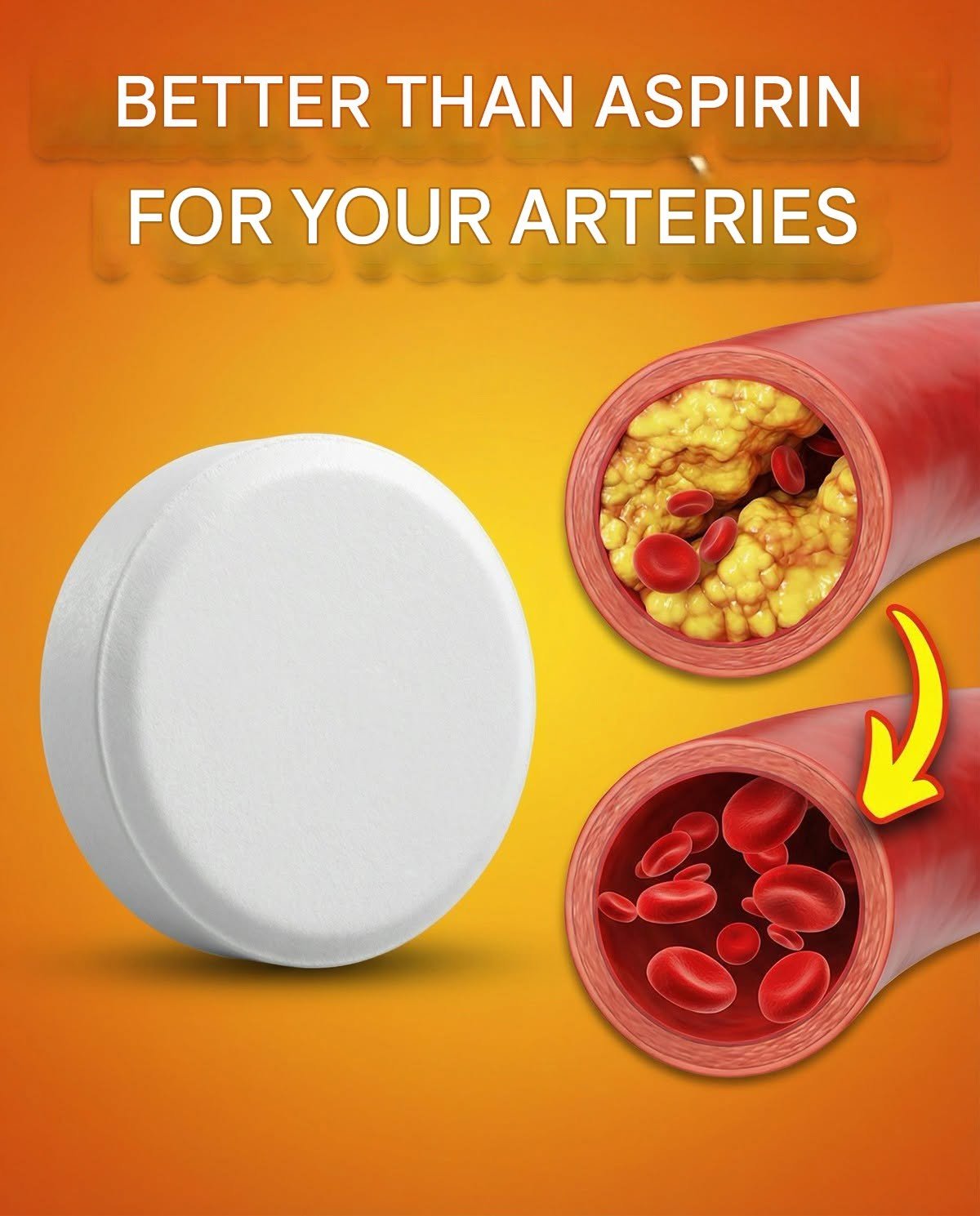
While no single food can instantly reverse advanced arterial plaque like a pipe cleaner, several nutrient-dense foods actively prevent new plaque from forming, stabilize existing plaque, lower blood pressure, and improve vascular elasticity.
The top natural foods backed by cardiovascular research for keeping arteries clear and healthy include:
1. Garlic (The Vascular Protector)
-
How it works: Garlic contains allicin, an active organosulfur compound that reduces arterial stiffness, lowers LDL (“bad”) cholesterol, and prevents platelets from sticking together.
-
The Clinical Benefit: Studies suggest that regular garlic intake can slow down the calcification process in blood vessels and reduce the accumulation of soft plaque in coronary arteries.
-
How to use it: Crush or chop raw garlic and let it sit for 10 minutes before cooking or eating; this exposure to air activates the allicin enzyme.
2. Dark Leafy Greens (Nitrate and Nitric Oxide Boosters)
-
Examples: Spinach, kale, arugula, and Swiss chard.
-
How it works: Leafy greens are rich in natural dietary nitrates, which your body converts into nitric oxide—a crucial molecule that signaling smooth muscles in blood vessel walls to relax, dilate, and widen.
-
The Clinical Benefit: Higher nitric oxide levels improve blood flow, decrease blood pressure, and protect the fragile inner lining of arteries (the endothelium) from microscopic tears where plaque attaches.
3. Fatty Fish (Omega-3 Anti-Inflammatory Power)
-
Examples: Salmon, mackerel, sardines, and anchovies.
-
How it works: These fish are loaded with long-chain omega-3 fatty acids (EPA and DHA).
-
The Clinical Benefit: Omega-3s lower systemic vascular inflammation, decrease blood triglyceride levels, and reduce cellular “adhesion molecules” that cause blood cells to stick to arterial walls.
4. Extra Virgin Olive Oil (Polyphenols & Healthy Fats)
-
How it works: A cornerstone of the cardiovascular-proven Mediterranean diet, extra virgin olive oil is packed with monounsaturated fats (MUFAs) and powerful antioxidant polyphenols.
-
The Clinical Benefit: It protects LDL cholesterol from oxidizing. Oxidized LDL is the specific, damaged form of cholesterol that triggers inflammatory responses and builds up into hard plaque inside arterial walls.
5. Berries and Pomegranates (Antioxidant Shields)
-
Examples: Blueberries, blackberries, strawberries, and pomegranates.
-
How it works: These fruits are rich in anthocyanins and polyphenols.
-
The Clinical Benefit: Pomegranates and berries stimulate nitric oxide production and inhibit lipid oxidation, helping maintain smooth arterial blood flow and reducing the progression of atherosclerosis.
6. Oats and Beans (Soluble Fiber Binders)
-
How it works: Oats contain beta-glucan, a unique soluble fiber that forms a gel-like substance in the digestive tract.
-
The Clinical Benefit: It binds directly to cholesterol-rich bile acids in your gut and excretes them naturally. This forces your liver to draw circulating LDL cholesterol out of your bloodstream to make new bile, reducing the amount of cholesterol available to settle in your arteries.
Key Medical Takeaway
Eating these foods creates a powerful defense against arterial damage, but diet works best as part of a complete strategy that includes keeping blood pressure controlled, engaging in regular aerobic exercise, avoiding tobacco, and managing stress levels.
