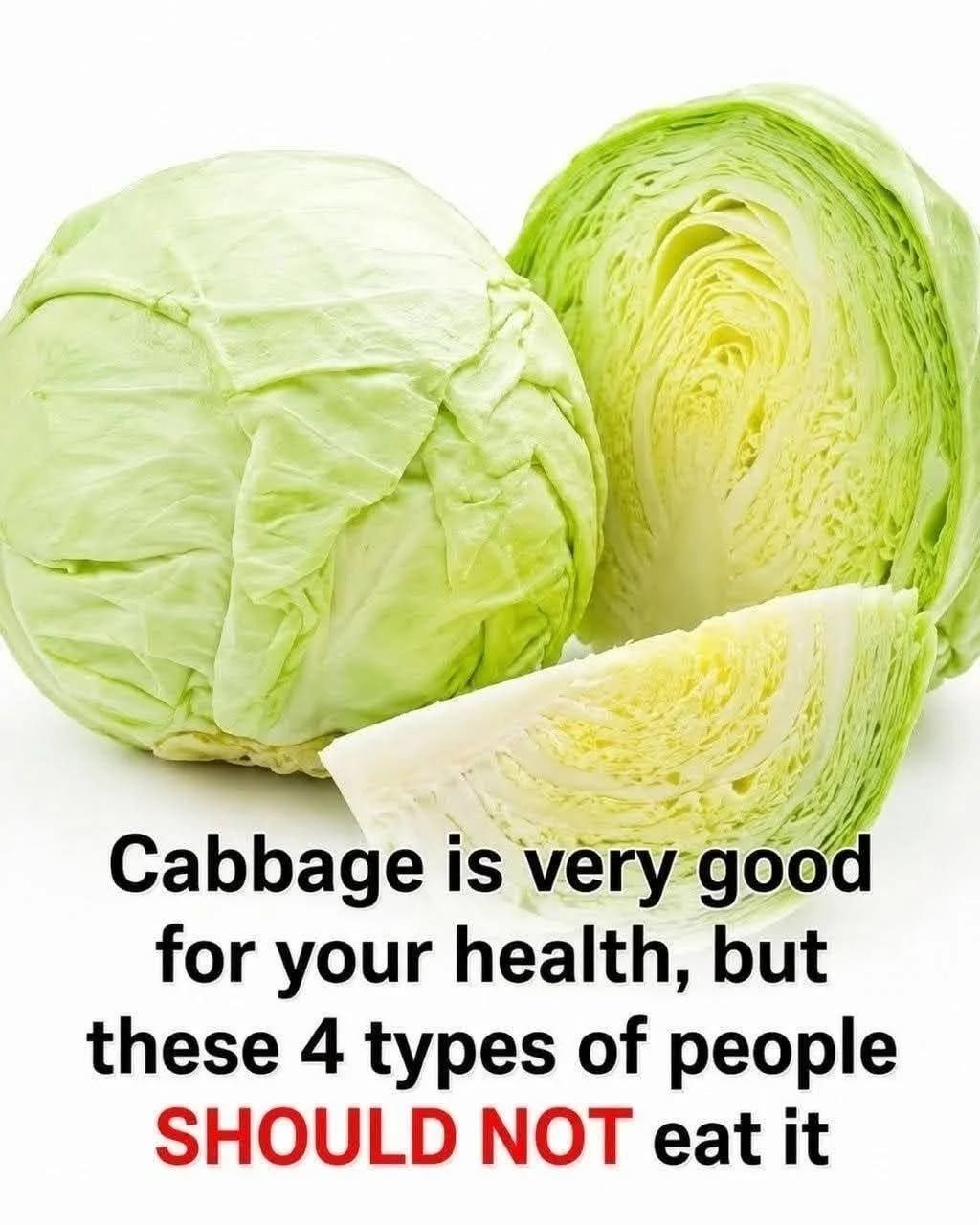
While cabbage is a nutritional powerhouse—packed with vitamin C, fiber, glucosinolates, and powerful anti-inflammatory compounds—it is not universally tolerated by everyone’s digestive or metabolic system. Raw, fermented, or heavily consumed cruciferous vegetables can trigger unexpected side effects for certain individuals.
Here are 4 types of people who should exercise caution when eating cabbage:
1. Individuals with Hypothyroidism (Underactive Thyroid)
-
Why it affects them: Cabbage contains compounds called goitrogens. When consumed raw, goitrogens can interfere with the thyroid gland’s ability to uptake iodine, which is essential for producing thyroid hormones. For individuals with pre-existing hypothyroidism or iodine deficiency, high raw cabbage intake can further slow thyroid function, leading to fatigue and sluggish metabolism.
-
The safe workaround: Cooking cabbage deactivates most of the goitrogenic enzymes. If you have a thyroid condition, enjoy cabbage cooked, steamed, or fermented in moderation rather than raw in large salads.
2. People Prone to Irritable Bowel Syndrome (IBS) or Gas & Bloating
-
Why it affects them: Cabbage is rich in FODMAPs (specifically fermentable oligosaccharides) and complex sulfur compounds. When gut bacteria ferment these compounds in the large intestine, they produce significant amounts of gas, often resulting in uncomfortable bloating, cramping, and flatulence.
-
The safe workaround: If you have a sensitive digestive tract, avoid raw coleslaw and raw cabbage salads. Fermented cabbage (like sauerkraut) or thoroughly braised, well-cooked cabbage is much easier to digest because the breakdown process has already begun outside the body.
3. Individuals Taking Blood-Thinning Medications (e.g., Warfarin / Coumadin)
-
Why it affects them: Cabbage is exceptionally rich in Vitamin K, a crucial nutrient required for blood clotting. If you are taking anticoagulant medications like Warfarin, maintaining a consistent daily level of Vitamin K is vital. A sudden spike in cabbage consumption can counteract the medication’s blood-thinning effects and increase the risk of clotting.
-
The safe workaround: You do not need to avoid cabbage entirely, but consistency is key. Keep your portion sizes stable from week to week and discuss any major dietary changes with your physician.
4. People Recovering from Gastrointestinal Surgery or Active Flare-Ups
-
Why it affects them: The dense, insoluble fiber found in raw and fibrous cabbage requires vigorous mechanical breakdown and robust digestive transit. For individuals recovering from bowel surgery, or those experiencing active flare-ups of inflammatory bowel disease (Crohn’s or ulcerative colitis), tough fibrous roughage can irritate delicate, inflamed intestinal linings.
-
The safe workaround: Stick to low-residue, soft-cooked foods during acute flare-ups, or consume only strained cabbage broths until the digestive tract has fully healed.
Dietary Tip: Most people who experience digestive discomfort from cabbage can easily enjoy it by swapping out large raw servings for small, well-cooked portions paired with digestive spices like caraway or cumin seeds, which naturally reduce gas production.
