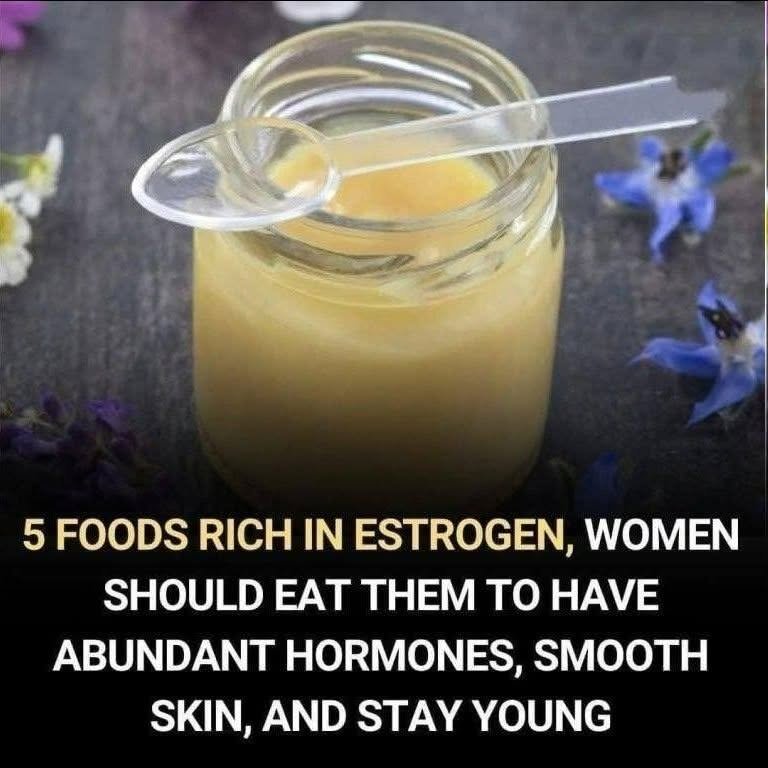
While human bodies produce estrogen naturally, certain plant-based foods contain phytoestrogens—naturally occurring compounds found in plants that are structurally similar to human estrogen. When consumed, they can weakly mimic or modulate estrogen activity in the body.
Here are 5 foods rich in phytoestrogens that you can easily incorporate into your diet:
1. Soybeans and Edamame
-
The Estrogen Source: Soy is exceptionally rich in isoflavones, a potent class of phytoestrogens (specifically genistein and daidzein).
-
How They Work: Because of their molecular structure, soy isoflavones can bind to estrogen receptors in the body. Depending on your body’s natural hormone levels, they can exert mild estrogenic or anti-estrogenic effects, helping to smooth out hormonal fluctuations.
-
How to Eat Them: Enjoy steamed edamame pods as a snack, add firm tofu to stir-fries, or swap dairy milk for unsweetened soy milk.
2. Flaxseeds
-
The Estrogen Source: Flaxseeds are the world’s richest dietary source of lignans, a type of phytoestrogen that is converted by bacteria in your gut into active estrogen-like compounds.
-
How They Work: Beyond supporting hormonal balance, flaxseeds are packed with soluble fiber and omega-3 fatty acids, making them fantastic for cholesterol management and digestive health.
-
How to Eat Them: Always consume ground flaxseeds rather than whole seeds, as your body cannot break down the hard outer shell of whole flaxseeds. Stir a tablespoon into your morning oatmeal, yogurt, or a smoothie.
3. Sesame Seeds
-
The Estrogen Source: Like flaxseeds, sesame seeds are loaded with lignans, along with essential minerals like copper, magnesium, and calcium.
-
How They Work: Regular consumption of sesame seeds has been shown in studies to favorably influence sex hormone metabolism and support blood lipid profiles, particularly in postmenopausal women.
-
How to Eat Them: Sprinkle toasted sesame seeds over salads, stir-fries, or rice dishes, or use tahini (sesame paste) as a base for homemade dressings and dips.
4. Garlic
-
The Estrogen Source: While famous for its cardiovascular and immune-boosting properties, garlic is also a surprising source of phytoestrogens.
-
How They Work: Studies suggest that garlic and its constituent compounds can help reduce the rate at which natural estrogen is broken down by the body, helping to maintain higher circulating estrogen levels (which can be particularly beneficial for bone density preservation post-menopause).
-
How to Eat Them: Crush or finely chop raw garlic and let it sit for 10 minutes before cooking to maximize its medicinal properties, then add it generously to savory dishes, soups, and marinades.
5. Peaches
-
The Estrogen Source: While many fruits contain trace amounts, peaches are particularly rich in lignans and other antioxidant polyphenols.
-
How They Work: Research indicates that incorporating phytoestrogen-rich stone fruits into a balanced diet can support overall metabolic health and help mitigate some of the common symptoms associated with declining estrogen levels during midlife transitions.
-
How to Eat Them: Enjoy fresh, ripe peaches sliced over cottage cheese, tossed into summer salads, or blended into smoothies.
