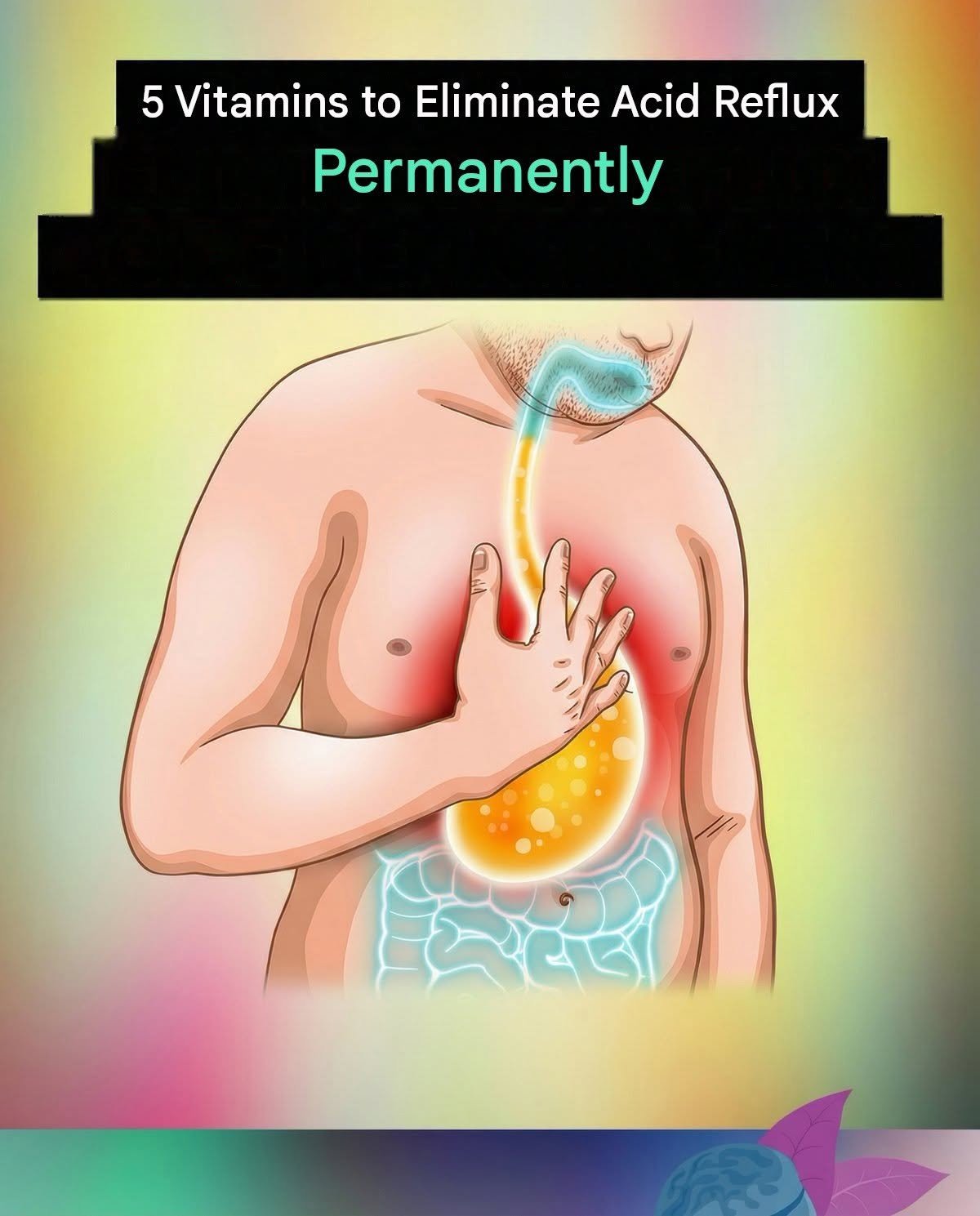
While managing acid reflux or GERD often involves dietary modifications and lifestyle changes, certain vitamins and supplements can support esophageal healing, reduce inflammation, and promote healthy digestive function.
Here are 5 vitamins and key nutrients often recommended by natural health experts to help manage acid reflux:
1. Vitamin D
Vitamin D plays a vital role in regulating inflammation and maintaining the health and tone of smooth muscles throughout the body—including the lower esophageal sphincter (LES). The LES is the muscular valve that keeps stomach acid from flowing back up into the esophagus. Ensuring optimal Vitamin D levels helps support proper muscle function in the digestive tract and modulates systemic inflammatory responses.
2. Vitamin B Complex (Specifically B6 and B12)
The B vitamin family is essential for nervous system regulation and metabolic health, which indirectly influences digestion. Chronic acid reflux or the long-term use of acid-suppressing medications (like PPIs) can sometimes deplete the body of certain B vitamins, leading to fatigue and compromised nerve signaling in the gut. Supplementing with a balanced B-complex helps maintain optimal mucosal lining health and cellular repair in the digestive tract.
3. Vitamin C
Vitamin C is a powerful antioxidant that helps repair damaged mucosal tissues in the esophagus caused by repeated exposure to stomach acid. Furthermore, research suggests that low levels of Vitamin C are sometimes associated with an overgrowth of H. pylori bacteria in the stomach, which can contribute to chronic indigestion and reflux symptoms. (Note: Choose a buffered, non-acidic form of Vitamin C, such as calcium ascorbate, to avoid irritating your stomach lining).
4. Vitamin A
Vitamin A is essential for the maintenance and repair of mucosal membranes throughout the body, including the delicate lining of the esophagus and stomach. Adequate Vitamin A supports the regeneration of epithelial cells, helping to heal micro-tears or irritation caused by acid splash-back and strengthening the mucosal barrier against future erosion.
5. Zinc Carnosine (Zinc-Associated Nutrient)
While strictly a mineral rather than a vitamin, zinc—particularly when bound to L-carnosine—is widely utilized by functional medicine practitioners for upper gastrointestinal health. Zinc carnosine clings to the stomach and esophageal lining, providing a protective coating that shields tissue from acid damage, reduces localized inflammation, and accelerates the healing of gastric ulcers and esophageal irritation.
⚠️ Important Considerations
-
Identify the Root Cause: Acid reflux can be caused by too little stomach acid (hypochlorhydria) as well as too much. Always consult a healthcare professional before starting supplements to ensure they fit your specific digestive needs.
-
Avoid Citrus Triggers: While Vitamin C is beneficial, avoid taking it via highly acidic natural juices (like orange or lemon juice), which will instantly trigger acute heartburn.
