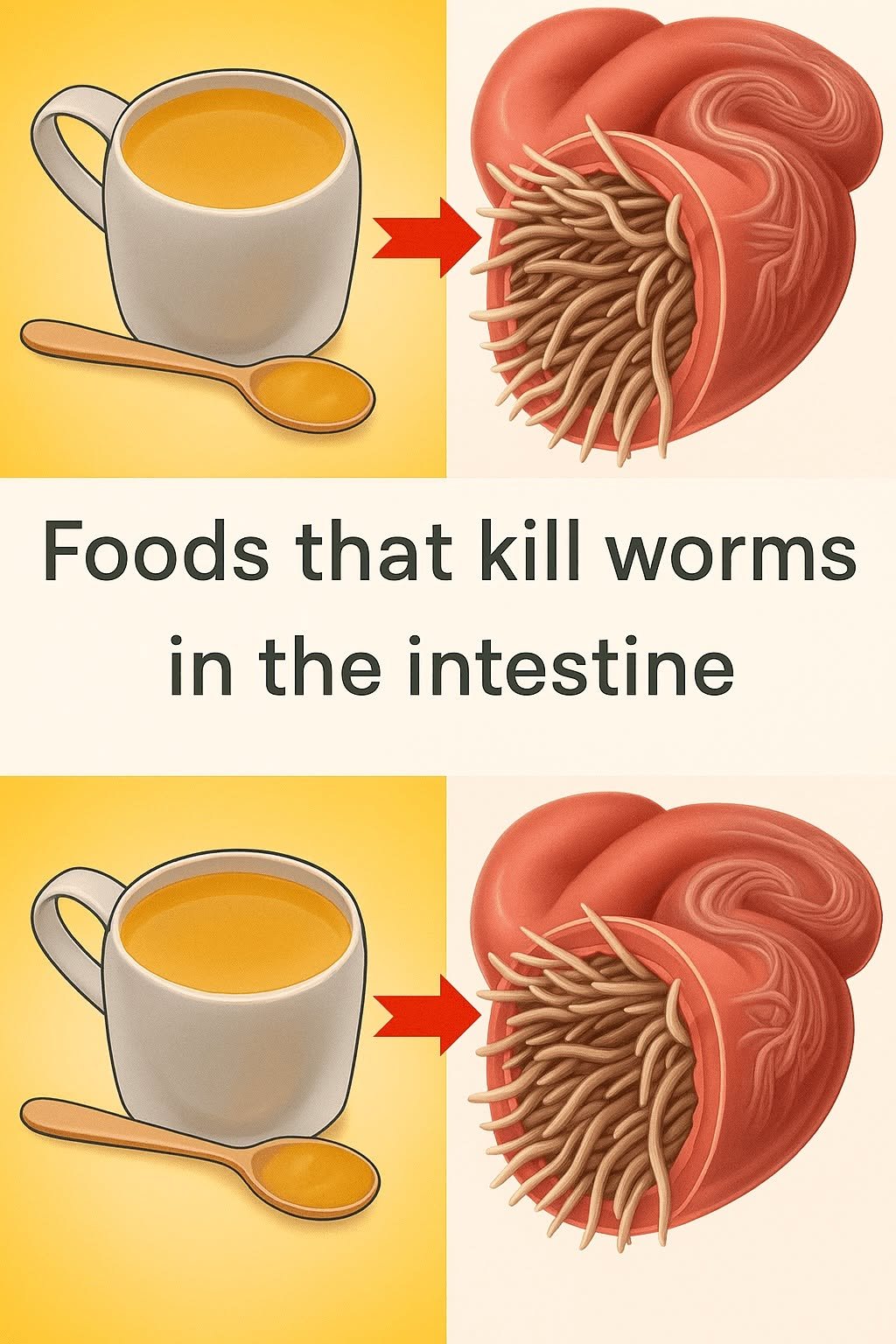
Viral health articles frequently promise quick botanical cures, featuring headlines like “7 Foods That Kill Worms in the Intestine!” and suggesting that eating specific fruits or spices can magically purge internal parasites overnight.
In clinical parasitology, ordinary culinary foods do not act as pharmaceutical anthelmintics (deworming agents). While certain plant compounds possess mild antimicrobial or in-vitro antiparasitic properties, eating raw garlic, pumpkin seeds, or papaya will not cure an established intestinal worm infection (such as pinworms, tapeworms, or roundworms) once they have colonized the gastrointestinal tract. Eradicating these parasites requires targeted prescription medications (like albendazole or mebendazole) prescribed by a physician.
However, many traditional foods rich in bioactive compounds do support overall gut health, create an inhospitable intestinal microenvironment, and play a supportive role in digestive wellness.
Here is an objective, science-based look at the foods frequently cited in these claims, how their active compounds actually work, and the reality of managing intestinal parasites:
1. Pumpkin Seeds (Pepitas)
-
The Claim: Widely touted as a traditional remedy to paralyze and expel tapeworms.
-
The Biochemical Reality: Pumpkin seeds contain an amino acid called cucurbitacin. In laboratory (in vitro) studies, crude extracts of cucurbitacins have shown mild paralyzing effects on certain parasitic worms.
-
Clinical Limit: While nutritious and high in magnesium and healthy fats, eating a handful of pumpkin seeds will not eliminate a live parasite infection in the human gut. They serve best as a healthy snack rather than a clinical cure.
2. Garlic
-
The Claim: Heralded as a powerful natural antibiotic and anti-parasitic agent that kills worms instantly.
-
The Biochemical Reality: Crushing raw garlic activates an enzyme called alliinase, which converts alliin into allicin—a potent sulfur compound with proven antibacterial, antifungal, and mild antiparasitic properties.
-
Clinical Limit: Allicin can help support a healthy gut microbiome by combating bad bacteria and yeasts, but the concentrations required to kill complex intestinal worms far exceed what can be safely digested through food.
3. Papaya and Papaya Seeds
-
The Claim: Promoted because the seeds and fruit contain enzymes that supposedly digest worms alive.
-
The Biochemical Reality: Papaya contains papain, a proteolytic (protein-digesting) enzyme. Papain can break down proteins and has been studied for its ability to aid general human digestion and soothe gastrointestinal inflammation.
-
Clinical Limit: While papain breaks down food proteins in the stomach, human digestive acids and enzymes neutralize it long before it can dissolve a living parasite anchored in the intestinal wall.
4. Pineapple
-
The Claim: Eaten on an empty stomach to dissolve and flush out worms.
-
The Biochemical Reality: Pineapple contains bromelain, another powerful proteolytic enzyme known for reducing tissue inflammation and breaking down dietary proteins.
-
Clinical Limit: Bromelain is fantastic for tenderizing meat and easing post-workout muscle soreness, but it lacks the specific pharmacological mechanisms needed to eradicate an active worm infestation.
5. Pomegranate and Pomegranate Rind
-
The Claim: Used in traditional medicine to target tapeworms due to astringent properties.
-
The Biochemical Reality: Pomegranate rinds and seeds are exceptionally rich in punicalagins and tannins—polyphenols with strong antioxidant and astringent qualities that can tone mucosal tissues and inhibit certain microbial growths.
-
Clinical Limit: While beneficial for cardiovascular health and gut lining support, tannins cannot replace targeted antiparasitic drugs like praziquantel when dealing with tapeworms.
6. Carrots and Raw Root Vegetables
-
The Claim: Grated raw carrots act as a “broom” to sweep parasites out of the digestive tract.
-
The Biochemical Reality: Raw carrots provide dense insoluble fiber, which adds mechanical bulk to stool and supports regular, healthy bowel movements.
-
Clinical Limit: Fiber promotes regularity and digestive hygiene, but peristalsis alone cannot detach entrenched parasites like hookworms or roundworms from the intestinal mucosa.
7. Coconut and Coconut Oil
-
The Claim: Medium-chain triglycerides (MCTs) destroy intestinal parasites on contact.
-
The Biochemical Reality: Coconut oil is rich in lauric acid, which the body converts into monolaurin—a compound with well-documented antiviral and antibacterial properties.
-
Clinical Limit: While MCTs and lauric acid support immune function and metabolic health, they do not possess the specific mechanisms required to kill multi-cellular intestinal worms.
The Medical Reality of Intestinal Parasites
Intestinal parasite infections (such as enterobiasis/pinworms, ascariasis, or giardiasis) cause specific clinical symptoms—such as persistent perianal itching (especially at night), unexplained abdominal pain, chronic bloating, nausea, or unexpected weight loss.
If you suspect you or a family member has contracted an intestinal parasite:
-
Skip the DIY Food Cleanse: Relying on kitchen remedies delays proper diagnosis and allows infections to spread or worsen.
-
Get Diagnosed: A simple doctor’s visit and a stool sample (ova and parasite test) can identify the exact organism.
-
Use Targeted Medicine: Modern pharmaceutical treatments are fast, highly effective (often clearing an infection with a single dose), and far safer than attempting to self-treat with high-dose raw garlic or herbal purges that can severely irritate an already inflamed gut lining.
