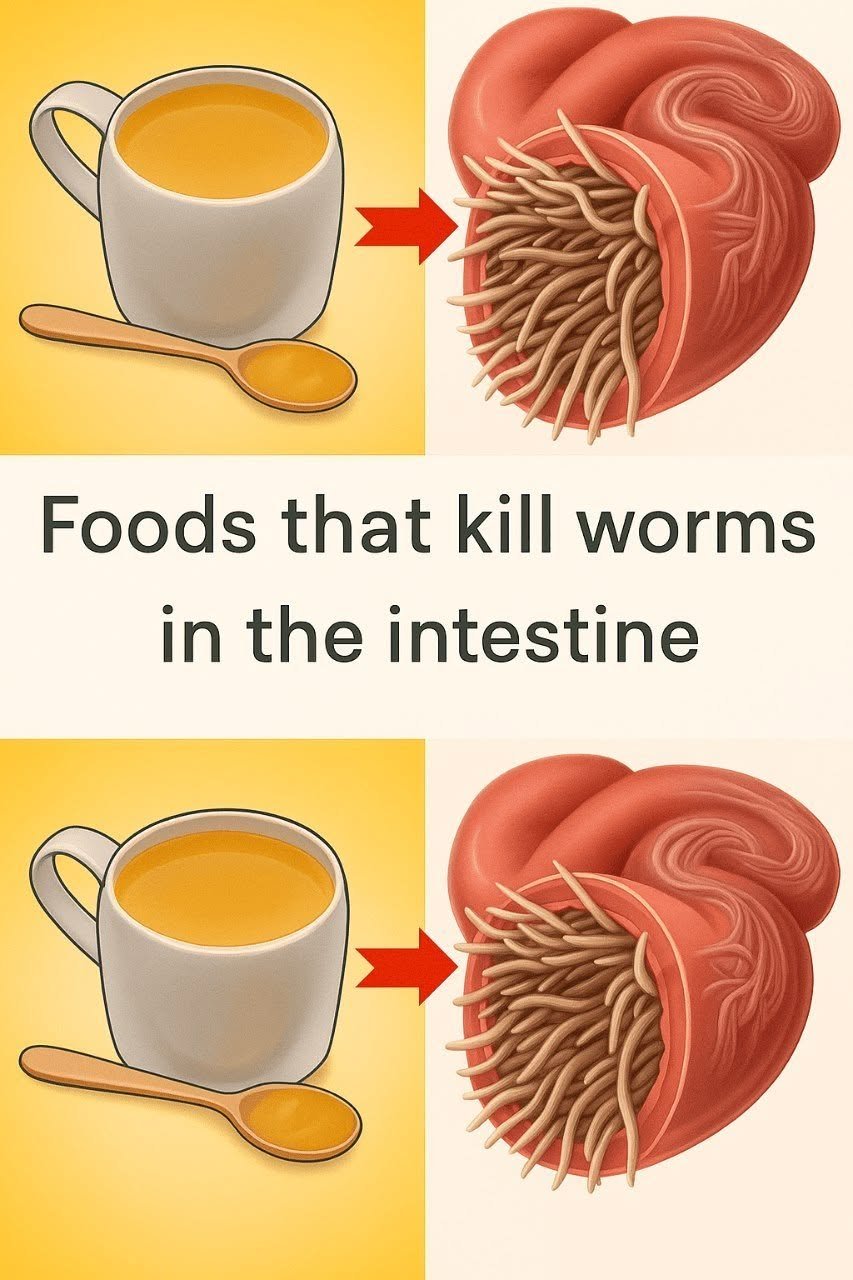
While wellness circles frequently list specific foods—such as garlic, pumpkin seeds, papaya seeds, and pomegranates—as natural “de-wormers,” it is important to look at what medical science actually shows.
The Clinical Reality of “Anti-Parasitic” Foods
-
No Proven Cure: While laboratory studies show that certain compounds found in plants (like allicin in garlic or cucurbitacin in pumpkin seeds) possess antimicrobial or paralyzing properties against organisms in a petri dish, eating these foods has not been clinically proven to clear established intestinal worm infections in humans.
-
Supporting Gut Health vs. Treatment: Nutrient-dense foods, fiber, and fermented products support overall digestion and help maintain a healthy gut microbiome, but they cannot replace targeted medical treatment.
How Intestinal Worms Are Actually Treated
Parasitic infections (such as pinworms, roundworms, or tapeworms) are medical conditions diagnosed through stool samples or clinical evaluation. They require proven, targeted antiparasitic medications prescribed by a healthcare provider, such as:
-
Albendazole or Mebendazole
-
Praziquantel or Ivermectin
Relying solely on dietary remedies to treat an active parasite infection can delay proper care and allow the infection to persist or worsen. If you suspect you or someone in your family has an intestinal parasite—indicated by symptoms like persistent digestive distress, unexplained anal itching, or fatigue—the safest and most effective step is to consult a physician for proper testing and treatment.
