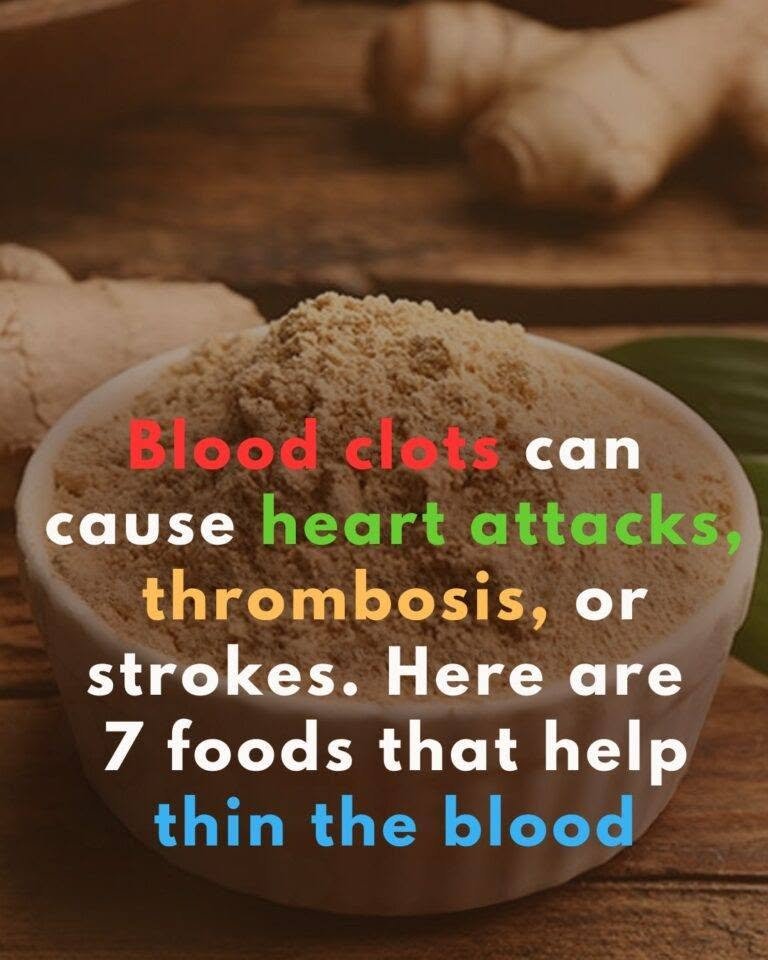
Sensationalist health headlines frequently frame everyday ingredients as “powerful blood-thinning foods” as if your spice rack or fruit bowl could substitute for prescription anticoagulants. In clinical cardiology, hematology, and nutritional science, foods do not act as pharmaceutical blood thinners (such as warfarin, Eliquis, or medical-grade aspirin) to prevent dangerous clots in high-risk patients.
However, several common, wholesome foods contain natural compounds that gently support healthy circulation, reduce systemic inflammation, and mildly influence platelet activity.
The 7 Foods Associated with Natural Circulatory Support
When researchers examine foods that promote smooth blood flow and cardiovascular wellness, these seven popular ingredients frequently stand out:
-
Garlic
-
The Mechanism: Garlic contains bioactive sulfur compounds (like ajoene) that exhibit mild antiplatelet effects, helping prevent blood platelets from clumping together.
-
-
Ginger
-
The Mechanism: Ginger contains salicylates, natural chemical compounds similar to the active ingredient in aspirin. While dietary ginger won’t replace a prescription medication, it supports healthy blood circulation and vascular relaxation.
-
-
Turmeric
-
The Mechanism: Curcumin, the active compound in turmeric, possesses potent anti-inflammatory properties and helps modulate platelet aggregation, protecting blood vessel linings.
-
-
Cayenne Pepper
-
The Mechanism: Rich in capsaicin and salicylates, spicy peppers help stimulate blood flow, lower blood pressure, and prevent plaque buildup in arteries.
-
-
Cinnamon
-
The Mechanism: Specifically Cassia cinnamon, which contains high levels of coumarin—a natural compound with mild anticoagulant properties (though high doses of Cassia can stress the liver, so culinary amounts are best).
-
-
Dark Berries (Blueberries, Cranberries, and Grapes)
-
The Mechanism: Packed with antioxidants and flavonoids, berries strengthen capillary walls, reduce arterial inflammation, and support overall cardiovascular resilience.
-
-
Omega-3 Fatty Acids (Fatty Fish and Flaxseeds)
-
The Mechanism: While not a spice or herb, omega-3s help optimize lipid profiles, reduce blood viscosity, and prevent unnecessary platelet adhesion.
-
Crucial Clinical Context: Food vs. Medicine
-
They Cannot Replace Medical Anticoagulants: If a cardiologist has prescribed a blood thinner due to atrial fibrillation, a history of blood clots, or artificial heart valves, eating garlic or ginger cannot substitute for your medication. Discontinuing prescribed anticoagulants to rely on diet is extremely dangerous.
-
Medication Interactions: If you are taking prescription blood thinners (like warfarin), consuming massive, concentrated amounts of certain foods or supplements (such as garlic extracts, high-dose fish oil, or ginger supplements) can increase your risk of bruising or bleeding. Conversely, foods rich in Vitamin K (like spinach and kale) play an opposing role by helping blood clot, which requires maintaining a consistent dietary intake rather than erratic changes.
Are you looking at how to support cardiovascular health through everyday nutrition, or exploring heart-healthy meal planning?
