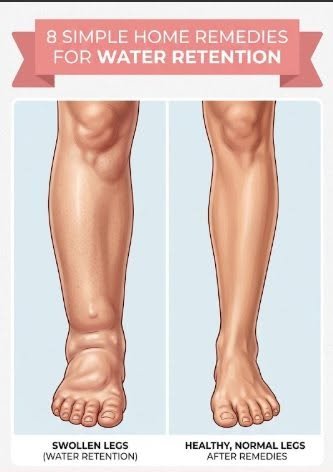
Carrying excess fluid—medically known as edema—can leave you feeling puffy, sluggish, and uncomfortable in your clothes. While severe or sudden water retention can signal underlying heart, kidney, or circulatory issues that require a doctor’s care, mild fluid buildup from lifestyle factors, dietary salt, or hormonal shifts can often be managed effectively at home.
Here are eight evidence-based, natural ways to help your body safely flush out excess fluid and reduce water retention:
1. Increase Your Potassium Intake
-
How It Works: Potassium is an essential electrolyte that works in direct balance with sodium. While high sodium intake causes your body to hold onto water, potassium helps your kidneys excrete excess sodium and relaxes the walls of your blood vessels.
-
How to Use It: Incorporate potassium-rich whole foods into your meals daily, such as avocados, bananas, sweet potatoes, spinach, coconut water, and white beans.
2. Move More and Exercise Regularly
-
How It Works: Gravity naturally causes fluid to pool in your lower extremities (legs, ankles, and feet) when you sit or stand for long periods. Muscle contraction acts like a pump, pushing lymphatic fluid and blood back up toward your heart.
-
How to Use It: Engage in regular physical activity like brisk walking, cycling, or swimming. If you have a desk job, make it a habit to stand up, stretch, and walk around for a few minutes every hour.
3. Drink More Water, Not Less
-
How It Works: It sounds counterintuitive, but when you are mildly dehydrated, your body panics and holds onto every drop of water it can, worsening fluid retention. Staying well-hydrated signals your body that it is safe to release stored fluids.
-
How to Use It: Sip pure water consistently throughout the day. A good benchmark is aiming for pale yellow urine.
4. Cut Back on Excess Sodium (Salt)
-
How It Works: Sodium attracts and holds onto water molecules. Eating a diet heavy in processed foods, canned soups, fast food, and salty snacks dramatically increases fluid retention in tissues.
-
How to Use It: Focus on whole, scratch-made meals where you control the salt shaker. Flavor your food with herbs, citrus juice, garlic, and spices instead of sodium.
5. Elevate Your Legs
-
How It Works: Mechanical elevation uses gravity to help drain pooled interstitial fluid away from swollen ankles, feet, and calves back into your body’s circulatory system.
-
How to Use It: Lie down on your back and prop your legs up on a stack of pillows so they are elevated slightly above the level of your heart for 15 to 20 minutes two or three times a day.
6. Add Natural Diuretic Foods to Your Diet
-
How It Works: Certain whole foods possess mild, natural diuretic properties that gently stimulate the kidneys to increase urine production without stripping the body of vital nutrients.
-
How to Use It: Enjoy foods like celery, cucumber, watermelon, parsley, asparagus, and green or dandelion tea, which have traditionally been used to help reduce mild puffiness.
7. Limit Refined Carbohydrates and Sugar
-
How It Works: Every time you eat a large amount of refined carbs (like white bread, pastries, or sugary snacks), your body spikes insulin. Elevated insulin levels signal your kidneys to reabsorb more sodium, which in turn causes your body to retain more water.
-
How to Use It: Swap refined grains for complex, high-fiber carbohydrates like oats, quinoa, and vegetables, which stabilize blood sugar and insulin levels.
8. Wear Compression Garments If Needed
-
How It Works: If you stand or sit for prolonged periods, mild compression socks or stockings gently squeeze the tissues in your lower legs, preventing fluid from leaking out of capillaries and pooling in your ankles.
-
How to Use It: Put on graduated compression stockings in the morning before swelling starts, especially if you have a job that requires long hours on your feet.
When to See a Physician:While these natural remedies are fantastic for mild puffiness, seek medical attention immediately if you experience sudden, painful swelling in only one leg (which can indicate a blood clot), or if fluid retention is accompanied by shortness of breath, rapid weight gain, or fatigue, as these can be signs of heart or kidney strain.Are you noticing water retention mostly in your hands and feet, or is it related to specific daily activities?
