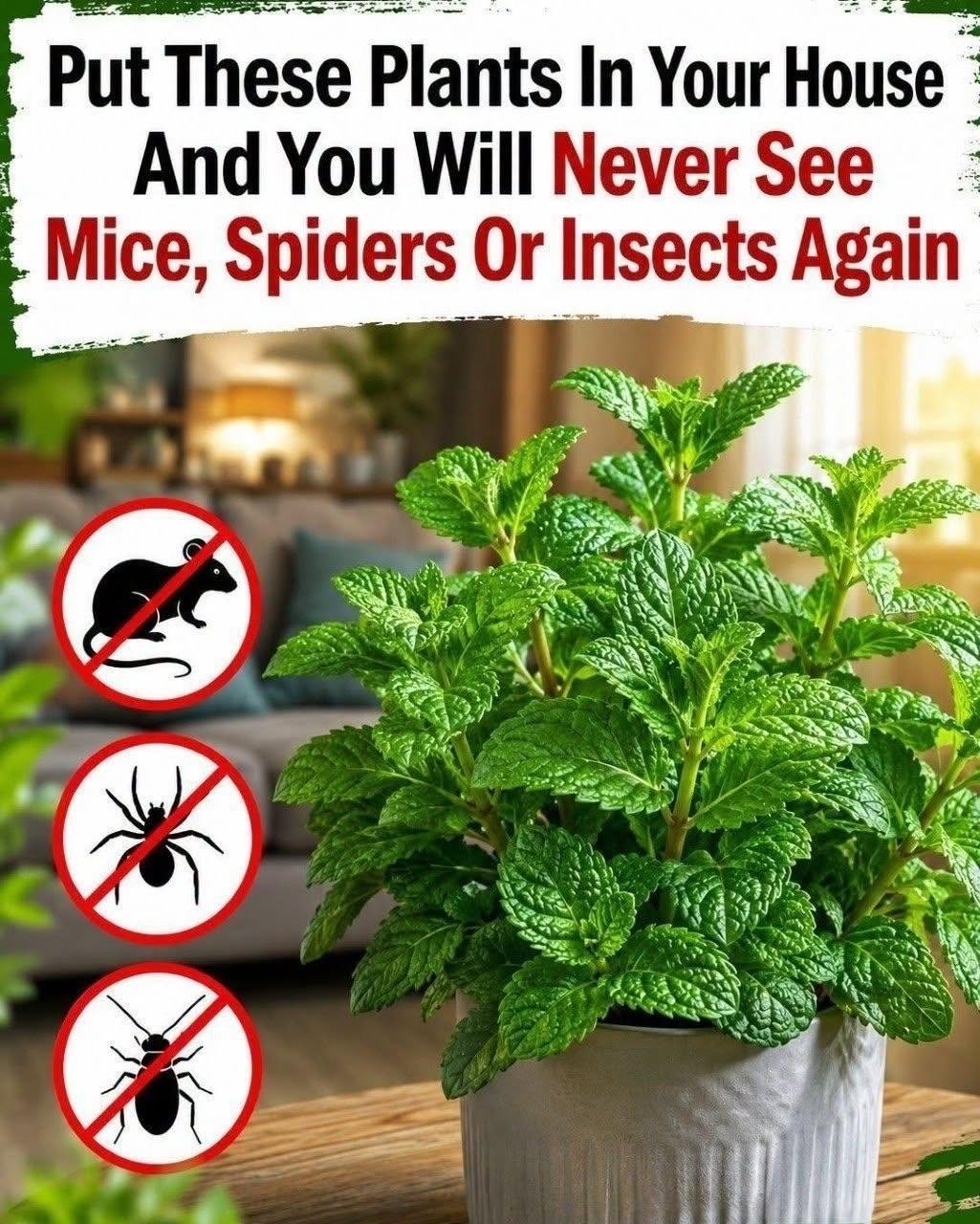
When sensationalized home and garden clickbait flashes headlines like “8 Plants that Help Repel Mice, Spiders & Other Insects,” they love to frame everyday greenery as an impenetrable botanical fortress. They want you to believe that placing a potted mint plant on your windowsill will create an aggressive force field that permanently banishes every rodent and creepy-crawly from your home.
From an entomological, botanical, and pest management perspective, aromatic plants do produce strong essential oils that certain insects find unappealing, but living plants alone are rarely a comprehensive pest control solution. Understanding what botanical repellents can—and cannot—do helps you use greenery effectively as part of a sensible, integrated home management strategy.
The Reality Behind Botanical Repellents
Why do certain plants get a reputation for repelling pests, and how do they actually work?
-
Volatile Organic Compounds (VOCs): Many plants produce strong-smelling secondary metabolites (essential oils like menthol, citronellal, or pyrethrins) designed by nature to deter herbivores from eating their leaves.
-
Contact vs. Confinement: A growing, potted plant sitting stationary on a table or windowsill releases very low concentrations of these scents into open room air. While crushing a leaf releases a concentrated burst of oil, a living plant will not actively “chase away” pests that are already nesting behind drywall or under floorboards.
-
The Pest Adaptation Factor: Pests are remarkably resilient. While strong aromas can make a localized area slightly less inviting, rodents and insects driven by the search for food, water, or shelter will readily bypass aromatic herbs if more attractive resources are nearby.
4 Common “Repellent” Plants and What Science Says About Them
While you shouldn’t expect them to act as chemical exterminators, several popular plants offer genuine aromatic benefits and culinary or aesthetic value:
-
1. Mint (Peppermint and Spearmint)
-
The claim: Repels mice, spiders, ants, and mosquitoes.
-
The reality: Mice and many insects intensely dislike the strong menthol scent, making dried peppermint oil sachets a modest deterrent in tight, enclosed spaces (like pantries). However, potted mint is notoriously invasive in gardens and won’t stop a mouse from walking right past it.
-
-
2. Lavender
-
The claim: Repels moths, fleas, flies, and mosquitoes.
-
The reality: Lavender contains linalool and linalyl acetate, which bugs dislike. Dried lavender bundles are fantastic for deterring clothes moths in closets, though growing lavender indoors requires high sunlight and dry soil.
-
-
3. Chrysanthemums
-
The claim: The ultimate bug-busting botanical.
-
The reality: Chrysanthemums contain natural compounds called pyrethrins, which are widely used in commercial insecticides because they disrupt insect nervous systems. However, extracting those compounds requires industrial processing; simply having a potted mum on your porch has a very minimal impact on flying bugs.
-
-
4. Rosemary and Lemongrass
-
The claim: Repels mosquitoes and ticks.
-
The reality: Both herbs release pungent essential oils when brushed against or crushed. They are wonderful culinary additions and patio plants, but their ambient scent alone offers limited active pest shielding outdoors.
-
Evidence-Based Pest Management for Your Home
If you want to keep mice and insects out of your living spaces, relying on potted plants alone is not enough. Integrated Pest Management (IPM) relies on physical exclusion and environmental control:
-
Seal Entry Points: Mice can squeeze through openings as small as a dime. Use steel wool and caulk to seal cracks, gaps around pipes, and foundational entry points.
-
Eliminate Food Sources: Store dry goods in airtight glass or heavy plastic containers, wipe down counters regularly, and keep pet food sealed overnight.
-
Manage Moisture: Spiders and crawling insects thrive in damp environments. Use dehumidifiers in basements and fix leaky plumbing to make your home uninviting to pests.
