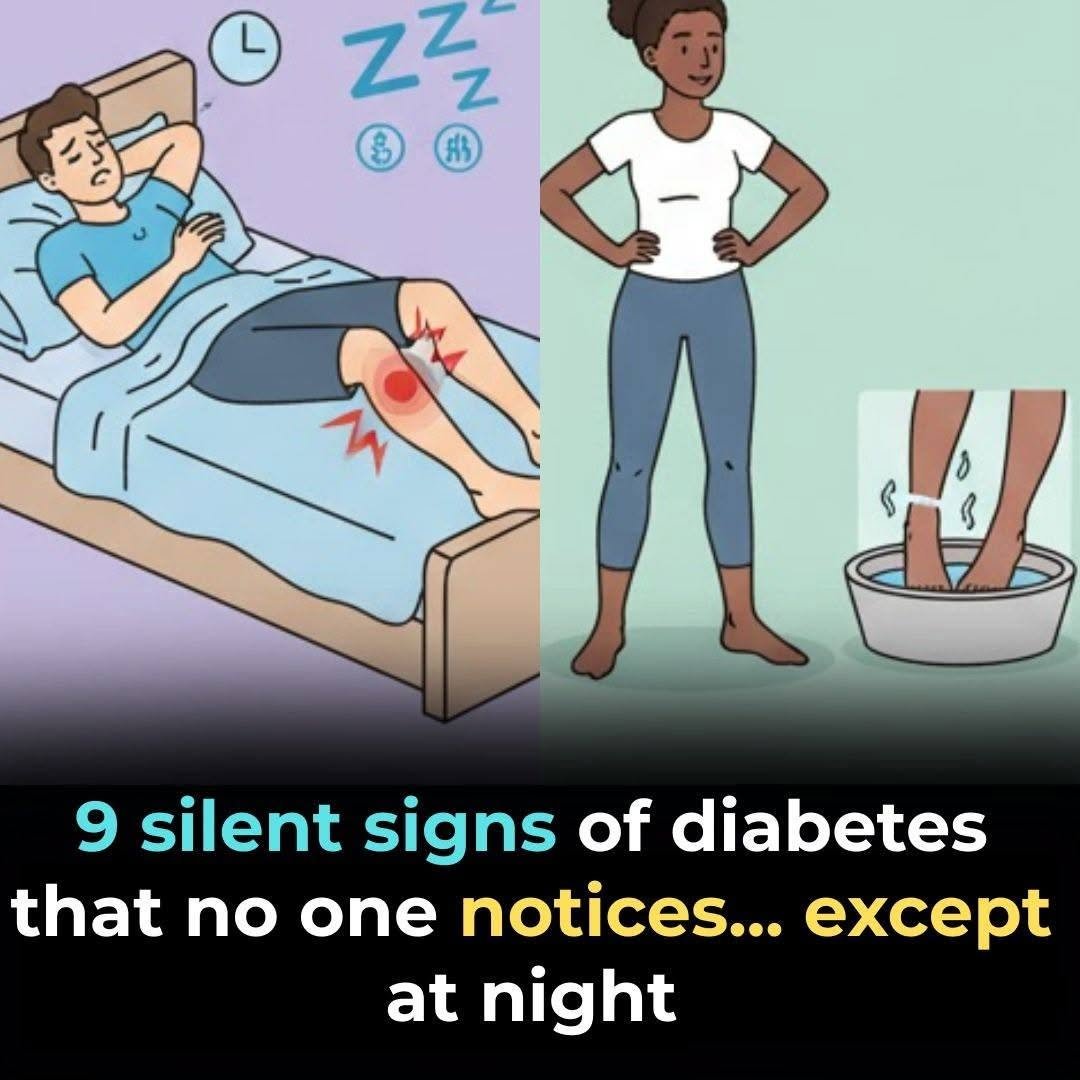
Viral health articles and late-night video ads frequently highlight mysterious nighttime symptoms—from night sweats to subtle skin changes—claiming they are absolute proof of undiagnosed diabetes.
While persistently elevated blood glucose affects the entire body, many nighttime symptoms are non-specific and can point to various underlying health conditions. However, chronic hyperglycemia does trigger distinct physiological changes that disrupt sleep and manifest noticeable physical signs after dark.
Here is an objective, science-based breakdown of the primary nighttime signs associated with diabetes, the biological mechanisms behind them, and when to seek clinical evaluation:
The 9 Nighttime Signs of Diabetes
1. Nocturia (Frequent Nighttime Urination)
-
The Mechanism: When blood glucose levels exceed the kidneys’ reabsorption threshold (roughly 180 mg/dL), excess glucose spills over into the urine. Glucose acts as an osmotic agent, drawing massive amounts of water with it through a process called osmotic diuresis.
-
The Clinical Sign: Waking up two or more times a night with an urgent need to urinate, often mistaken purely for age-related prostate issues or overactive bladder.
2. Excessive Nighttime Thirst (Polydipsia)
-
The Mechanism: Because the kidneys are pulling large volumes of water out of your tissues and bloodstream to flush out excess sugar, your body experiences cellular dehydration.
-
The Clinical Sign: Waking up with an unquenchable, dry mouth or a parched throat, often needing to keep a glass of water by the bed every night.
3. Nocturnal Hypoglycemia Sweats (In Insulin-Using Patients)
-
The Mechanism: If someone with diabetes takes too much insulin or misses a snack before bed, their blood sugar can drop dangerously low overnight (hypoglycemia). To combat this crash, the body releases a massive surge of stress hormones (epinephrine and cortisol).
-
The Clinical Sign: Waking up drenched in sweat, experiencing heart palpitations, or feeling intensely anxious in the middle of the night.
4. Peripheral Neuropathy Pain (Burning Feet)
-
The Mechanism: Long-term high blood sugar damages the small blood vessels (vasa nervorum) that supply peripheral nerves, leading to oxidative stress and nerve fiber degeneration. While these symptoms can occur all day, sensory distractions vanish at night.
-
The Clinical Sign: A sharp, burning sensation, “pins and needles,” or deep aching pain in the soles of the feet and toes that flares up intensely the moment you slip under the bedcovers.
5. Nocturnal Leg Cramps
-
The Mechanism: Chronic fluid shifts, electrolyte imbalances (such as low magnesium or potassium caused by frequent urination), and poor microvascular circulation in the lower extremities can make muscle tissues prone to involuntary spasms.
-
The Clinical Sign: Sudden, painful tightening or “charley horses” in the calves or feet that wake you up abruptly from sleep.
6. Obstructive Sleep Apnea (OSA) Overlap
-
The Mechanism: Type 2 diabetes and obesity are closely linked with obstructive sleep apnea, a condition where upper airway muscles collapse repeatedly during sleep, causing temporary pauses in breathing.
-
The Clinical Sign: Waking up gasping for air, choking, or experiencing severe morning headaches and chronic daytime fatigue, which in turn spikes stress hormones that worsen insulin resistance.
7. Pruritus (Nighttime Itching)
-
The Mechanism: Persistently high blood sugar leads to dry, scaly skin (xerosis) due to overall fluid loss. Additionally, localized yeast or fungal infections (like Candida) thrive in warm, moist environments created overnight.
-
The Clinical Sign: Intense, generalized skin itching or localized irritation in skin folds and the genital area that becomes particularly noticeable when relaxing in bed.
8. Fluctuating Nighttime Vision Blurring
-
The Mechanism: High glucose concentrations in the bloodstream alter the osmotic pressure inside the ocular lens of the eye, causing temporary swelling and changing its focal shape.
-
The Clinical Sign: Waking up in the middle of the night or noticing that your night vision is unusually hazy, or that text on a bedside clock looks blurry even with prescription glasses.
9. Vivid Nightmares or Sleep Disruptions from Glucose Spreads
-
The Mechanism: Severe fluctuations in blood sugar (either spikes from a heavy late-night meal or drops during sleep) trigger autonomic nervous system activation, disrupting normal sleep architecture and rapid eye movement (REM) cycles.
-
The Clinical Sign: Frequent nighttime awakenings accompanied by restlessness, vivid disturbing dreams, or feeling unrefreshed despite a full 8 hours in bed.
When to See a Physician
If you notice a cluster of these symptoms persisting over several weeks—particularly frequent nighttime urination combined with unquenchable thirst and unexplained fatigue—do not rely on home remedies.
Schedule an appointment with your primary care provider for a simple, definitive blood test, such as a Fasting Plasma Glucose (FPG) test or a Hemoglobin A1c assay, which measures your average blood sugar over the past three months.
