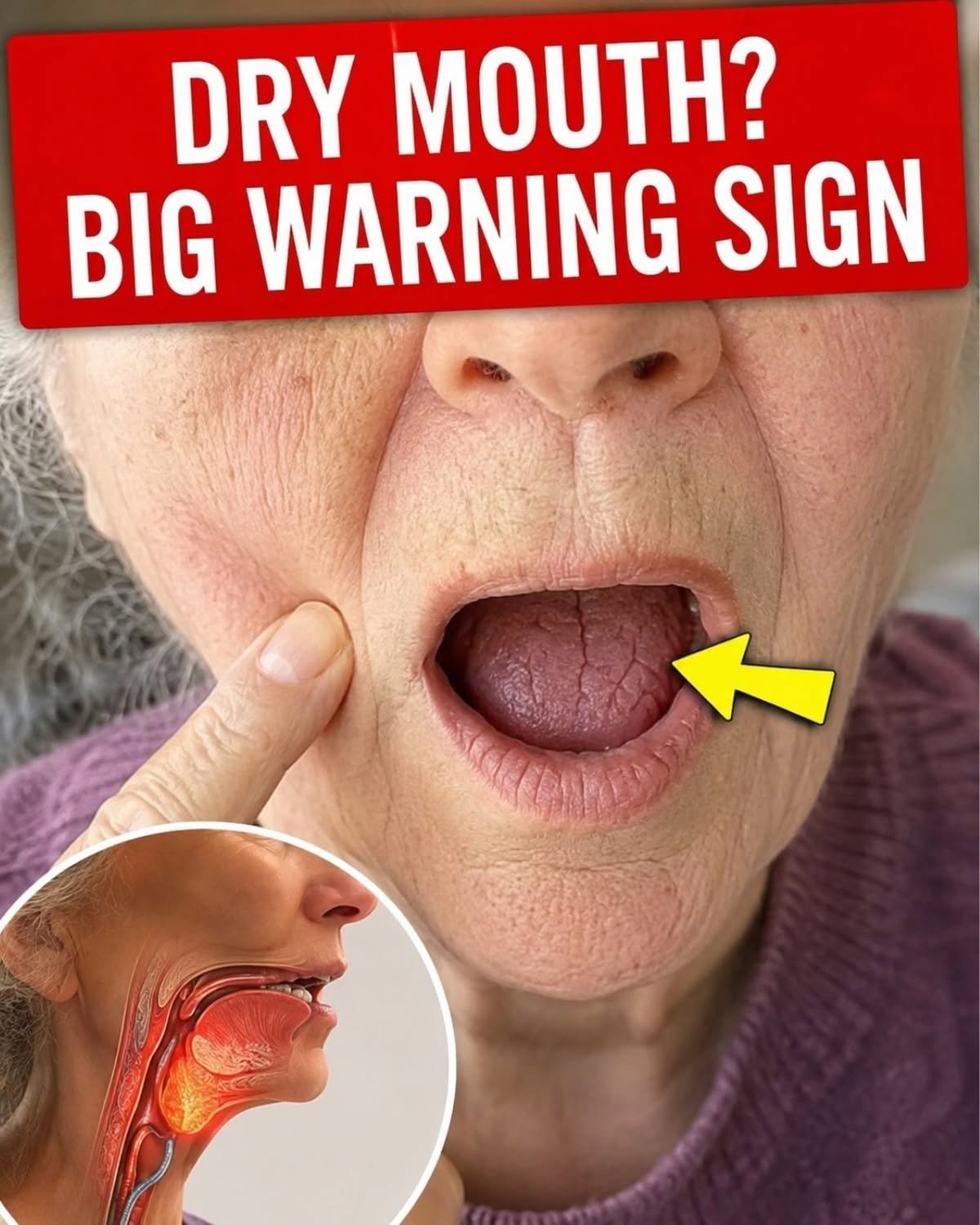
When sensationalized health clickbait flashes headlines like “Dry Mouth Is Not Aging — It’s Your Saliva Shutting Down,” they rely on alarmist, catastrophic framing. They want you to panic, imagining your salivary glands permanently failing overnight, leaving you defenseless against tooth decay and systemic decay.
From a clinical gerontology, otolaryngology, and internal medicine perspective, chronic dry mouth (xerostomia) is a legitimate and uncomfortable physiological issue, but it is rarely a mysterious, spontaneous shutdown. Understanding why salivary flow changes with age or medication use cuts through the fear-mongering and offers clear, actionable solutions.
The Reality Behind Dry Mouth and Salivary Flow
Why does saliva production change over time, and what is actually happening in the body?
-
The Medication Factor (The #1 Culprit): Contrary to the clickbait myth that dry mouth is an inevitable consequence of aging, the single most common cause of xerostomia is polypharmacy (taking multiple medications). Over 400 common medications—including blood pressure drugs, antihistamines, antidepressants, and diuretics—have anticholinergic side effects that directly suppress salivary gland secretion.
-
Systemic Health and Hydration: Saliva is 99% water and 1% electrolytes, proteins, and enzymes. Chronic mild dehydration, poorly managed diabetes, or autoimmune conditions like Sjögren’s syndrome can significantly reduce the output of the parotid, submandibular, and sublingual glands.
-
Glandular Atrophy vs. Hypofunction: While natural aging can bring minor structural shifts in glandular tissue, healthy salivary glands maintain ample reserve capacity. True pathological reduction in output is almost always secondary to medications, radiation therapy, or systemic disease rather than simple chronological aging.
Why Saliva Matters (Beyond Just Feeling Thirsty)
Saliva is not merely moisture; it is a vital biological fluid that protects your entire upper digestive and dental ecosystem:
-
Remineralization and Tooth Defense: Saliva is rich in calcium, phosphate, and antibacterial proteins. It continuously neutralizes oral acids and remineralizes tooth enamel, serving as your mouth’s primary defense against cavities.
-
Digestion and Swallowing: Salivary amylase begins the chemical breakdown of carbohydrates the moment food enters the mouth, while mucus proteins lubricate the bolus for safe swallowing.
-
Microbial Balance: A steady flow of saliva washes away food debris and keeps opportunistic fungi (like Candida) and pathogenic bacteria in check.
Evidence-Based Strategies to Manage Dry Mouth
If you or an older adult in your life struggles with chronic dry mouth, clinical management focuses on protecting dental health and stimulating natural moisture:
-
Review Medications with Your Doctor: If a prescription medication is drying out your mouth, never stop taking it abruptly, but consult your physician to discuss potential alternative formulations or dosage adjustments.
-
Stimulate Salivary Flow: Use sugar-free lozenges, xylitol-containing gums, or tart citrus flavors to mechanically and chemically encourage your salivary glands to produce more fluid.
-
Protect Your Dental Health: Because reduced saliva increases cavity risk, maintain rigorous oral hygiene with fluoride toothpaste, alcohol-free moisturizing mouthwashes, and regular dental checkups.
-
Prioritize Consistent Hydration: Sip water frequently throughout the day and use a bedside humidifier at night to prevent mucosal drying while sleeping.
