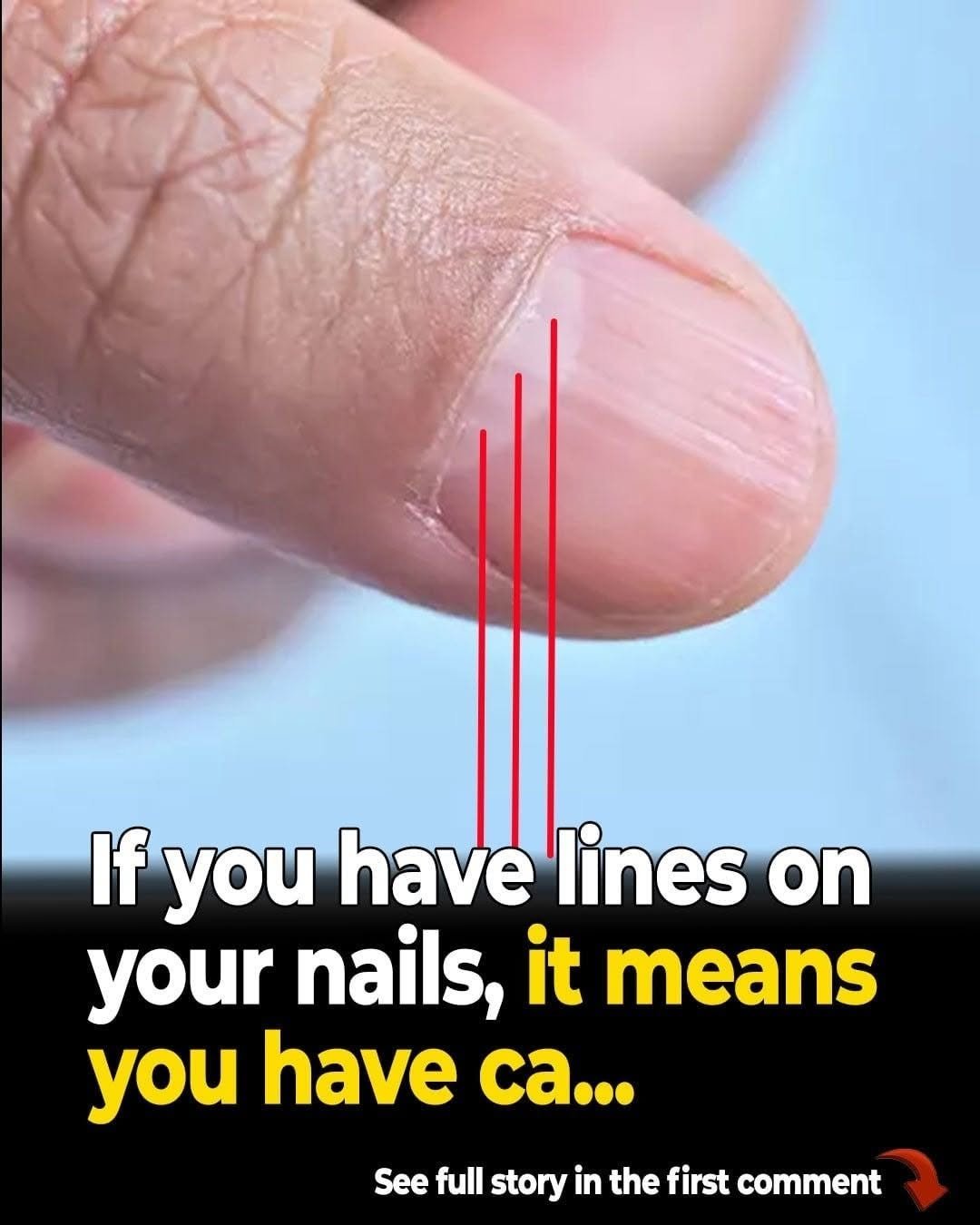
While catchy headlines often tease a “telltale sign” to predict life expectancy, longevity physicians and dermatologists look at a very specific metric when evaluating your nails: the rate of nail growth.
Prominent longevity researchers, such as geneticist Dr. David Sinclair, have pointed out that tracking how fast your fingernails grow can serve as a crude, real-time indicator of your body’s cellular turnover, metabolic health, and biological aging.
Why Nail Growth Reflects Overall Health
Your fingernails are living windows into your body’s protein synthesis and circulation.
-
Cellular Regeneration: Fast-growing nails indicate that your body is efficiently producing new, healthy cells. As people age or experience chronic systemic illness, circulation often declines, nutrient absorption drops, and metabolic processes slow down—leading to a noticeable decrease in nail growth speed.
-
The Clinical Baseline: Historically, clinical studies on nail growth (dating back several decades) have noted that fingernails grow roughly 3 millimeters per month in healthy young adults, but this rate steadily slows down with advancing age or poor peripheral circulation.
What Structural Nail Changes Actually Warn About
Beyond growth speed, doctors look at structural shifts, colors, and textures as critical warning signs of internal health conditions. Rather than predicting an exact life expectancy, these signs often point to underlying diseases that require medical attention:
-
Clubbing (Curved, Enlarged Fingertips): When the tips of the fingers widen and the nails curve downward around them, it can indicate chronically low oxygen levels in the blood. This is frequently linked to chronic lung conditions, heart disease, or liver disorders.
-
Spoon-Shaped Nails (Koilonychia): Nails that are soft and curve upward can be a classic sign of severe iron-deficiency anemia, thyroid imbalances, or cardiovascular strain.
-
Beau’s Lines (Deep Horizontal Ridges): Grooves that run across the width of the nail happen when nail growth is temporarily interrupted by a severe systemic stressor, high fever, uncontrolled diabetes, or major metabolic shock.
-
Half-and-Half or Pale Nails: Extremely pale nail beds or stark white changes (such as Terry’s nails) can sometimes correlate with kidney dysfunction, liver disease, or severe nutritional malabsorption.
The Takeaway: While monitoring how often you need to trim your nails can offer a casual look at your body’s general vitality, a sudden change in nail texture, color, or growth speed is best evaluated by a doctor to catch or rule out any treatable internal deficiencies.
