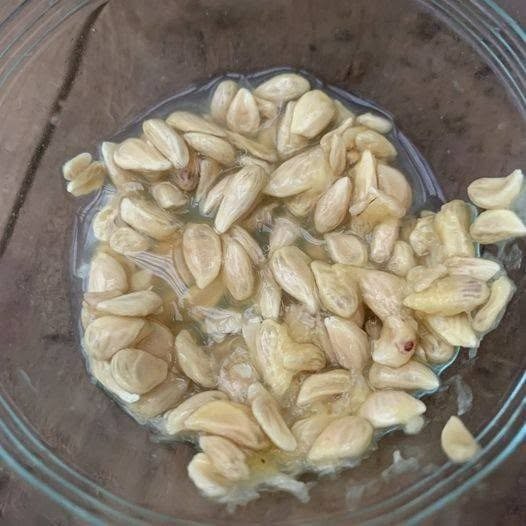
When viral posts claim that lemon seeds are “worth their weight in gold” and offer a secret home remedy, it’s easy to get curious. However, from a botanical and nutritional perspective, lemon seeds do not possess miraculous healing or high economic value.
While lemon seeds are packed with certain plant compounds, throwing them away is standard practice—and you aren’t missing out on a hidden health breakthrough.
What’s Actually Inside a Lemon Seed?
Like many citrus seeds, lemon seeds contain trace amounts of bioactive compounds:
-
Limonoids: These are bitter, natural compounds found in citrus fruits that have shown some antioxidant and anti-inflammatory properties in laboratory (in-vitro) studies.
-
Salicylic Acid Derivatives: Some sources note that citrus seeds contain minor traces of compounds related to salicylic acid (the active ingredient in aspirin), which leads to viral claims that crushing them creates a natural pain reliever.
The Reality of Using Lemon Seeds at Home
While extracts or high-concentration oils derived from citrus seeds in industrial settings have antimicrobial properties (often studied as preservatives), trying to use raw kitchen seeds at home comes with major downsides:
-
Extremely Bitter and Hard: Lemon seeds have a tough outer coat and an intensely bitter taste. Crushing them up for home remedies or tonics results in an unpalatable mixture.
-
No Proven Home Benefit: Eating or soaking whole lemon seeds will not cure ailments, clear skin, or act as a powerful medicine. The concentration of beneficial compounds in a few household seeds is far too low to have a therapeutic effect.
-
Choking or Digestive Hazard: Swallowing large amounts of hard citrus seeds can occasionally cause digestive irritation or discomfort.
The Bottom Line: You can safely toss your lemon seeds into the compost without a second thought. If you want the real health benefits of a lemon, focus on the juice and the zest—both are rich in vitamin C, citric acid, and flavonoids that genuinely support digestion, skin health, and immunity.
