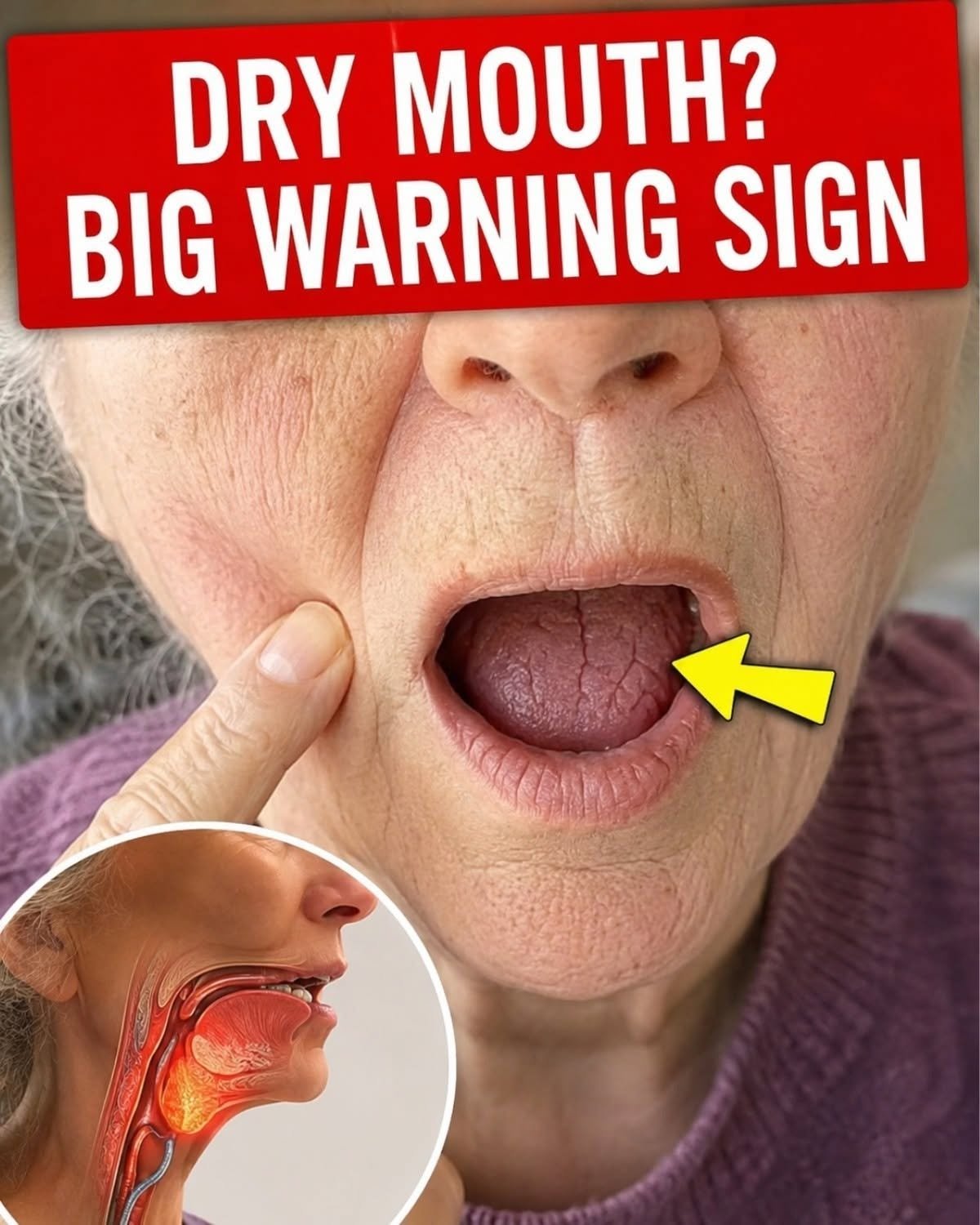
Headlines proclaiming that chronic dry mouth (xerostomia) is simply an inevitable, built-in consequence of getting older rely on a pervasive medical myth. While chronic dry mouth is disproportionately common in older adults, aging itself does not shut down your salivary glands.
Salivary glands do not naturally wither away just because you pass a certain birthday. When your mouth feels like sandpaper, it is almost always driven by external triggers, medications, or underlying health conditions rather than the calendar.
Why Chronic Dry Mouth Happens (The Real Culprits)
When your salivary flow grinds to a halt, a specific physiological disruption is usually at play:
-
Medication Side Effects (The #1 Cause): Hundreds of common prescription and over-the-counter drugs—including antihistamines, decongestants, blood pressure medications, antidepressants, and water pills (diuretics)—interfere with the nervous system signals that tell your salivary glands to produce spit. Taking multiple medications concurrently (polypharmacy) exponentially increases this risk.
-
Systemic and Autoimmune Conditions: Diseases like diabetes, stroke, and Alzheimer’s can alter nerve function or fluid balance. Meanwhile, autoimmune disorders like Sjögren’s syndrome specifically target moisture-producing glands, causing severe, chronic dryness.
-
Mouth Breathing and Nasal Obstruction: If you have a deviated septum, chronic allergies, or sleep apnea, breathing through your mouth all night rapidly evaporates the thin layer of saliva protecting your oral tissues.
-
Cancer Treatments: Radiation therapy targeting the head and neck can permanently damage salivary tissue, while chemotherapy can temporarily alter saliva production.
Why Saliva Matters More Than Just “Feeling Wet”
Saliva is not just water; it is a complex biological fluid that acts as your mouth’s defense system. Without a steady flow of it, you lose critical protections:
-
The Ultimate Buffer: Saliva neutralizes acids produced by bacteria and washes away microscopic food particles. Without it, the risk of rapid tooth decay (especially root cavities) and gum disease skyrockets.
-
Infection Control: Saliva contains natural antimicrobial agents that keep fungal infections like oral thrush and bacterial overgrowth in check.
-
Digestive Initiation: Enzymes in saliva (like amylase) begin breaking down starches the moment you chew, making swallowing and digestion possible.
What You Can Do About It
If you suffer from persistent dry mouth, accepting it as an “old age thing” means missing out on treatable causes:
-
Review Your Medications: If a prescription drug is drying you out, a doctor or pharmacist can often adjust the dosage, switch you to an alternative class of medication, or modify the timing.
-
Stimulate Saliva Mechanically: Chewing sugar-free gum (especially varieties containing xylitol) or sucking on sugar-free lozenges physically stimulates the salivary glands to kick back into gear.
-
Protect Your Enamel: Because low saliva strips away your natural defense against cavities, your dentist may recommend high-fluoride toothpastes or prescription rinses to protect vulnerable teeth.
-
Modify Your Environment: Using a bedside humidifier at night prevents dry ambient air from turning your mouth into a desert while you sleep.
