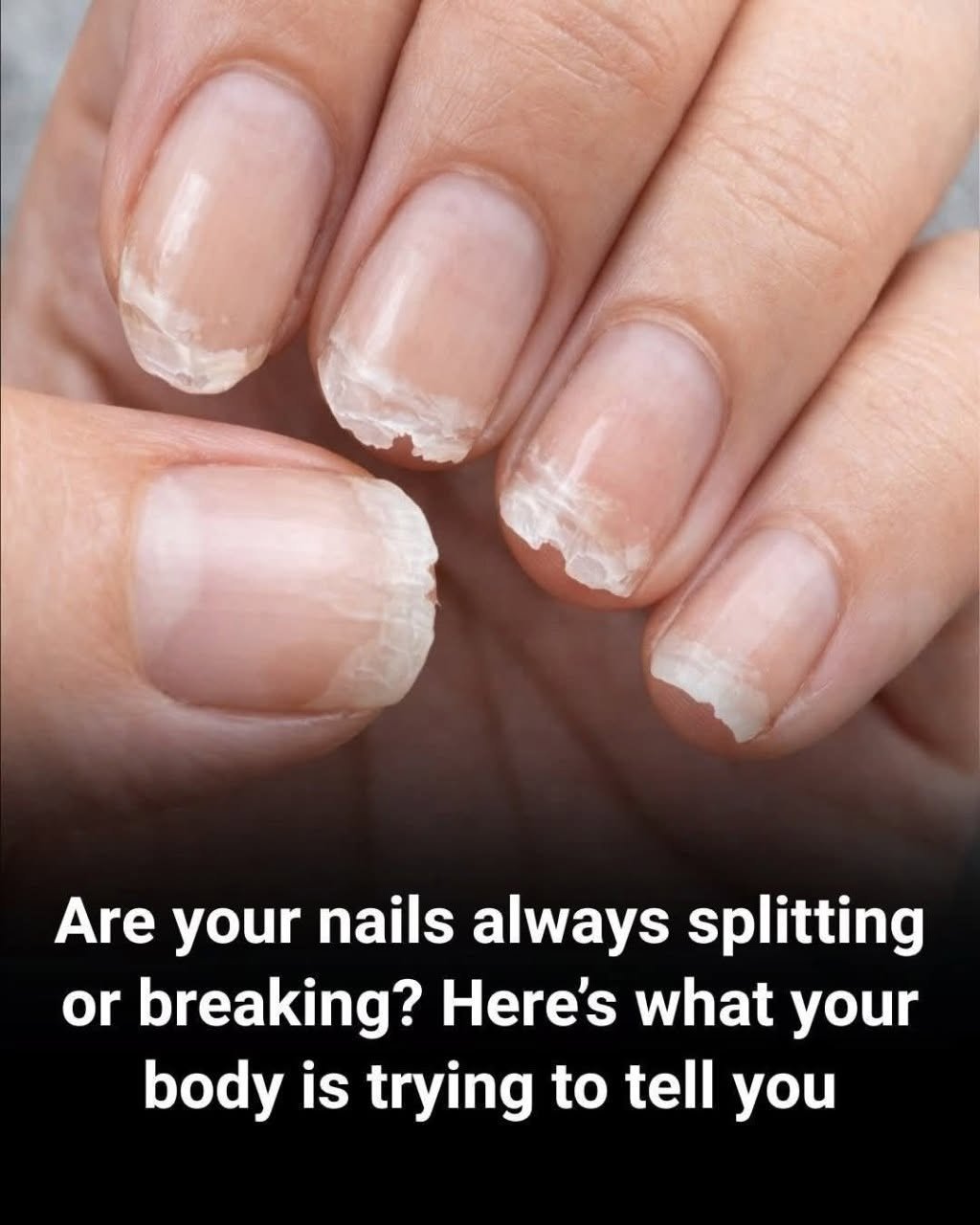
Weak, peeling, splitting, or brittle nails are often dismissed as a purely cosmetic nuisance or blamed entirely on frequent hand-washing and harsh dish soaps. However, from a dermatological and nutritional standpoint, your fingernails act as a metabolic and systemic window into your overall health. Because nail growth requires a steady supply of nutrients, oxygen, and cellular energy, internal deficiencies or health shifts frequently show up at your fingertips first.
Here is what your body might be trying to tell you when your nails become weak or brittle:
1. Nutritional Deficiencies (The Building Blocks)
Your nails are made of a tough, fibrous protein called keratin. If your diet lacks specific micronutrients, your body struggles to synthesize strong, cohesive keratin layers:
-
Iron Deficiency (Anemia): Low iron reduces the oxygen-carrying capacity of your blood, starving your nail beds. This is a common cause of brittle nails or nails that curve upward like a spoon (koilonychia).
-
B-Vitamins (Especially Biotin): While biotin isn’t a cure-all for everyone, a true deficiency in B-complex vitamins can lead to fragile, easily cracked nails.
-
Zinc and Protein: Because keratin is a protein, inadequate daily protein intake directly compromises nail structure, sometimes causing white spots or lines to form.
2. Chronic Dehydration
Just like your skin and hair, your nails require moisture to maintain flexibility. When your body is chronically dehydrated, the moisture content in your nail plate plummets, causing them to dry out, split vertically, and snap under the slightest pressure.
3. Thyroid Imbalances
Your thyroid gland regulates your body’s overall metabolic rate, which dictates how quickly your cells—including your nail and hair matrices—divide and grow.
-
Hypothyroidism (Underactive Thyroid): A sluggish thyroid slows down metabolism significantly, leading to dry, thick, brittle nails that grow sluggishly and break easily.
4. Circulatory Issues or Raynaud’s
Healthy nail growth depends on robust micro-circulation delivering nutrients right to the nail bed. If you have poor peripheral circulation or conditions like Raynaud’s syndrome (where blood flow to the fingers is temporarily restricted by cold or stress), your nail beds receive less nourishment, resulting in weakened growth.
5. Excessive Chemical Exposure or Moisture Cycling
Sometimes the cause is purely environmental rather than internal:
-
Constantly wetting and drying your hands (common in healthcare workers, cleaners, or avid gardeners) causes the nail plate to expand and contract, breaking down the cellular bonds between keratin layers and causing them to peel in sheets.
-
Frequent use of acetone-based nail polish removers or harsh cleaning chemicals strips away natural protective oils.
Practical Ways to Support Stronger Nails
-
Moisturize Your Cuticles: Apply a heavy hand cream, jojoba oil, or vitamin E oil to your nails and cuticles nightly to lock in surface moisture.
-
Wear Gloves: Protect your hands with rubber gloves when washing dishes or handling household cleaning chemicals.
-
Focus on Whole-Food Nutrition: Ensure you are getting adequate lean proteins, healthy fats, and iron-rich foods (like leafy greens, lentils, and lean meats).
