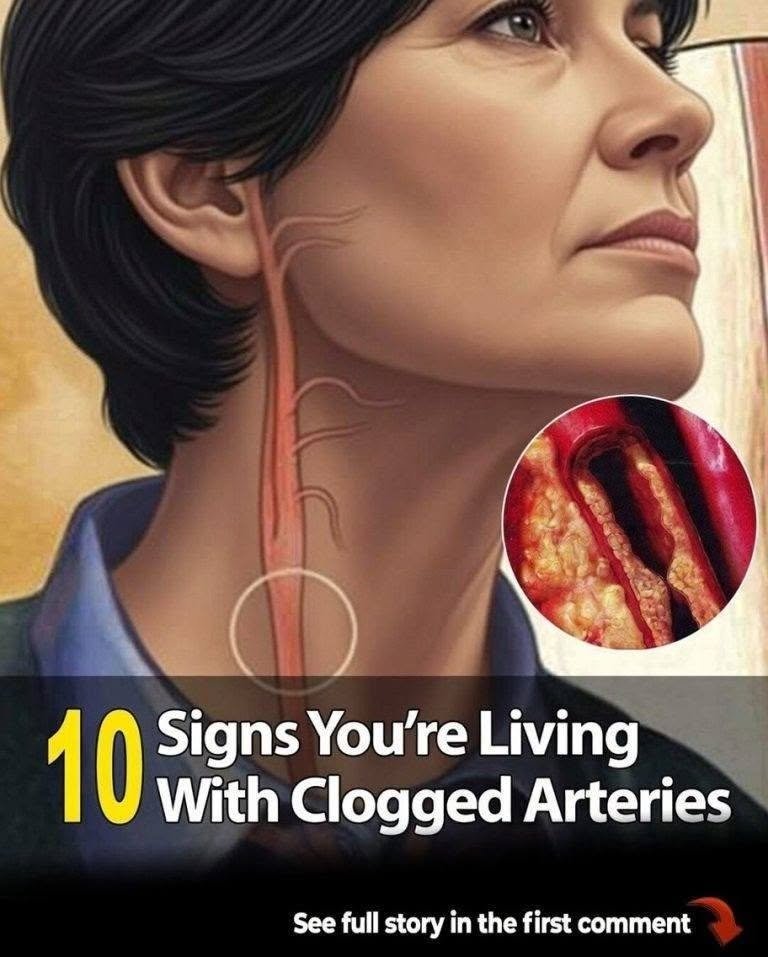
Viral health videos and articles frequently list dramatic signs of “blocked arteries,” often implying you can easily self-diagnose severe coronary blockages at home. While advanced arterial plaque buildup (atherosclerosis) is a serious medical condition, the body rarely broadcasts quiet blockages with obvious external symptoms until blood flow is severely compromised.
However, severe or progressive blockages in different parts of the body do produce specific, clinically recognized warning signs that should never be ignored.
Here is what doctors actually look for when assessing blocked arteries, categorized by where the blockage occurs:
Blockages Supplying the Heart (Coronary Artery Disease)
When plaque builds up in the coronary arteries, it restricts blood flow to the heart muscle itself.
-
Angina (Chest Pressure or Tightness)
-
What it feels like: A heavy pressure, squeezing, fullness, or aching in the center of your chest—often described as “an elephant sitting on my chest.” It typically occurs during physical exertion or emotional stress and goes away with rest.
-
-
Shortness of Breath with Minimal Exertion
-
What it means: If walking up a flight of stairs or carrying light groceries suddenly leaves you gasping for air far more than it used to, it can indicate that the heart muscle isn’t receiving enough oxygen-rich blood to pump efficiently.
-
-
Unexplained Fatigue and Weakness
-
What it means: A sudden, overwhelming sense of exhaustion or debilitating fatigue—especially when performing routine daily tasks—can be an early or atypical warning sign, particularly in women.
-
Blockages Supplying the Brain (Carotid Artery Disease)
Plaque buildup in the carotid arteries (located in the neck) restricts blood flow to the brain and is a major risk factor for stroke.
-
Transient Ischemic Attacks (TIAs / “Mini-Strokes”)
-
What it means: Temporary neurological symptoms that resolve quickly, such as sudden weakness or numbness on one side of the face or body.
-
-
Sudden Vision Changes
-
What it means: Unexplained, sudden blurring or temporary loss of vision in one eye (known medically as amaurosis fugax), which can happen if a tiny piece of plaque breaks loose and temporarily blocks blood flow to the eye.
-
-
Sudden Speech Difficulties or Confusion
-
What it means: Difficulty speaking, slurred words, or sudden trouble understanding speech.
-
Blockages Supplying the Limbs (Peripheral Artery Disease – PAD)
Plaque buildup in the arteries carrying blood to your legs and feet.
-
Intermittent Claudication (Leg and Calf Pain with Walking)
-
What it feels like: A predictable, painful cramping or aching in your calves, thighs, or buttocks that occurs when walking and disappears after a few minutes of rest.
-
-
Cold Feet and Lower Legs
-
What it means: One foot or lower leg feeling persistently colder than the other due to restricted blood flow.
-
-
Slow-Healing Sores or Wounds on the Feet
-
What it means: Cuts, scrapes, or ulcers on the toes or feet that take weeks or months to heal because starved tissues lack the oxygen and nutrients needed for repair.
-
-
Abnormal Nail and Hair Growth on Legs and Toes
-
What it means: Noticeable thinning or cessation of hair growth on the lower legs and feet, paired with thick, brittle toenails caused by chronic vascular deprivation.
-
Medical Disclaimer: If you experience sudden, severe chest pain, shortness of breath, or signs of a stroke (facial drooping, sudden weakness on one side, slurred speech), call emergency services immediately. For chronic symptoms like leg cramping with walking or unexplained fatigue, schedule an evaluation with your primary care physician for proper diagnostic testing (such as an ankle-brachial index or cardiac screening).
