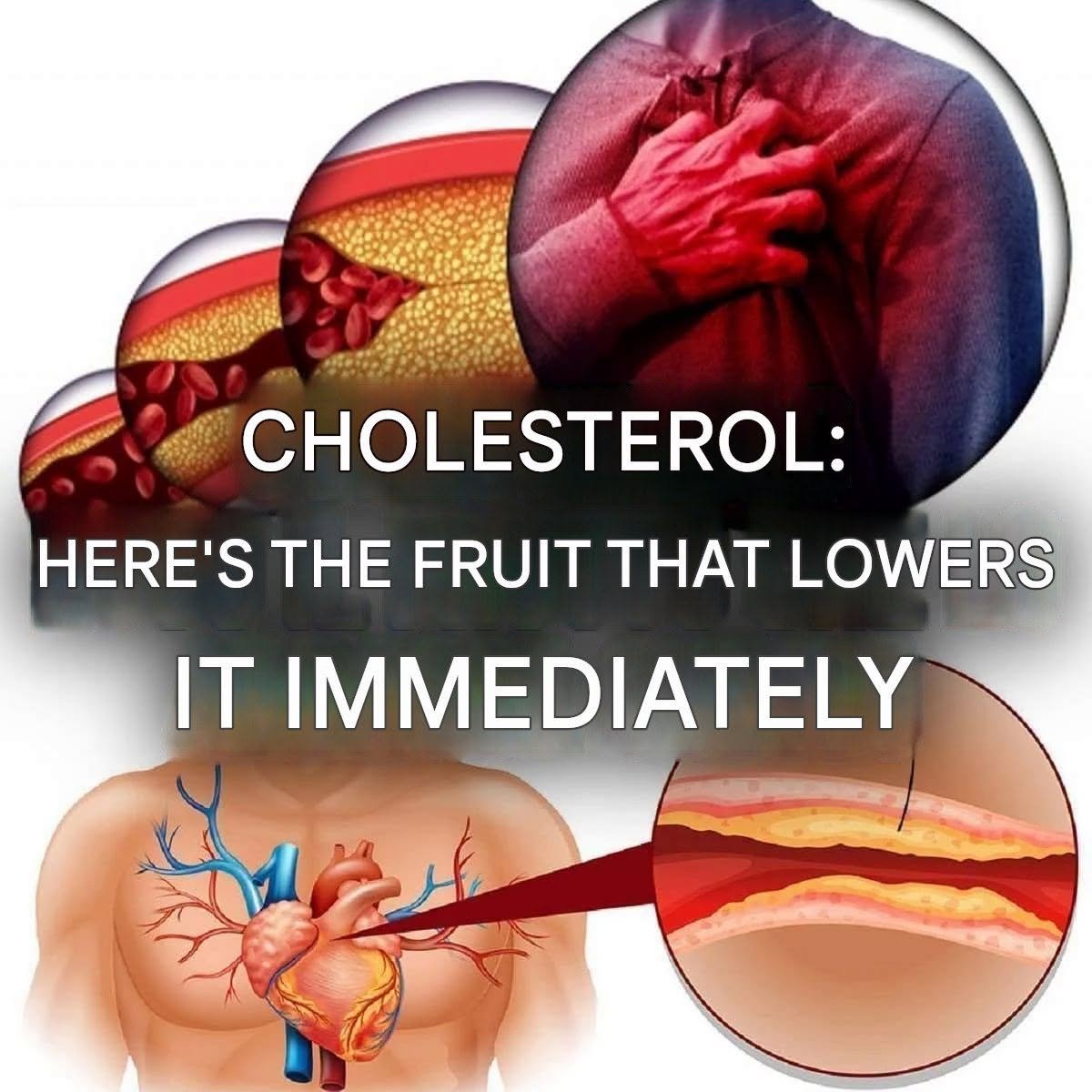
When clickbait headlines promise a single “miraculous fruit” that single-handedly cures high blood pressure, lowers cholesterol, and fixes every metabolic woe, they are capitalizing on a common nutritional truth: whole fruits are powerhouse foods loaded with fiber, potassium, and antioxidants.
However, no single piece of produce acts as a magic bullet. Instead, several everyday fruits offer incredible, science-backed cardiovascular and metabolic benefits. Two standouts frequently earn this praise in nutritional research: pomegranates and berries (particularly blueberries).
Here is a look at what these fruits actually do for your health, stripped of the hype:
1. Blood Pressure Regulation (The Potassium & Polyphenol Connection)
-
How it works: Fruits rich in potassium (like pomegranates, bananas, and citrus) help your body manage sodium levels by encouraging your kidneys to excrete excess salt through urine, which relaxes blood vessel walls.
-
The Research: Pomegranate juice, in particular, is packed with potent antioxidants called punicalagins and anthocyanins. Clinical studies show that regular consumption of polyphenol-rich fruit juices can modestly lower both systolic and diastolic blood pressure by improving endothelial function (the health of the inner lining of your blood vessels).
2. Cholesterol Management (The Soluble Fiber Effect)
-
How it works: While pomegranates target vascular inflammation and blood pressure, fruits high in soluble fiber—such as apples, pears, and berries—excel at managing cholesterol. Soluble fiber binds to cholesterol in your digestive tract, helping your body excrete it before it can be absorbed into your bloodstream.
-
The Research: Regular intake of berries has been shown in clinical trials to improve lipid profiles by reducing LDL (“bad”) cholesterol and protecting it from oxidation, which is a key step in plaque buildup (atherosclerosis).
The Reality Check
Eating a pomegranate or a bowl of berries every day is a fantastic, evidence-based habit that supports long-term heart health. But they work best as part of an overall balanced lifestyle—combining nutrient-dense whole foods with good hydration, regular movement, and proper medical management for conditions like hypertension.
