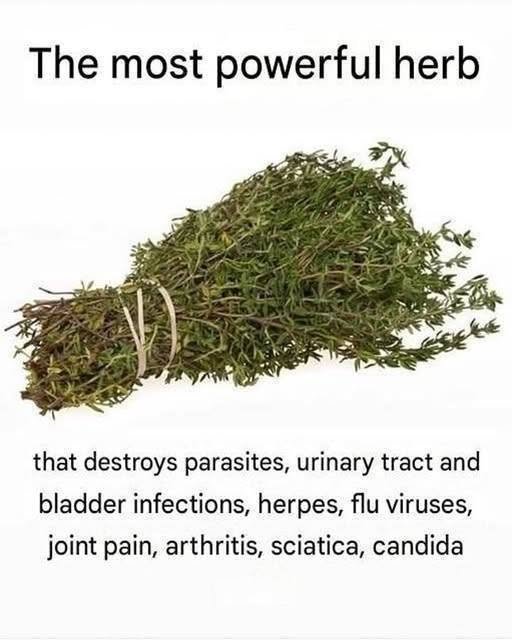
Viral headlines and clickbait wellness videos often promise a miraculous, “most potent herb” that supposedly destroys parasites, cures urinary tract infections, and treats a sweeping laundry list of completely unrelated ailments overnight.
Just like the “single ingredient” cure-alls and “overnight stroke” warnings, these sweeping claims are rooted in internet marketing rather than medical science. No single herb acts as a universal destroyer of parasites and urinary infections alike.
The Clinical Reality of Herbal “Miracles”
-
Urinary Tract Infections (UTIs): A UTI is a bacterial infection (most commonly caused by E. coli) within the urinary tract. While certain natural substances like D-mannose or cranberry extract can help prevent bacteria from adhering to the bladder walls in mild cases, an active, established UTI requires targeted antibacterial treatment (antibiotics) prescribed by a doctor. Left untreated, a simple UTI can ascend to the kidneys and cause a severe systemic infection (pyelonephritis).
-
Parasitic Infections: As with intestinal worms, true parasitic infections require specific antiparasitic medications (such as albendazole or metronidazole) tailored to the exact organism identified in clinical testing. While some herbs (like oregano oil or berberine) have shown antimicrobial properties in laboratory petri dishes, drinking an herbal tea will not clear an established internal parasitic infection.
Why These Headlines Persist
Sensationalized wellness content relies on a kernel of truth—many traditional herbs contain bioactive plant compounds with mild antioxidant, anti-inflammatory, or gentle antimicrobial properties—and exaggerates them into medical fairy tales.
When facing health issues like a painful urinary tract infection or suspected parasites, skipping proven diagnostics in favor of a viral herbal “cure” risks letting a treatable condition escalate into a serious medical emergency.
