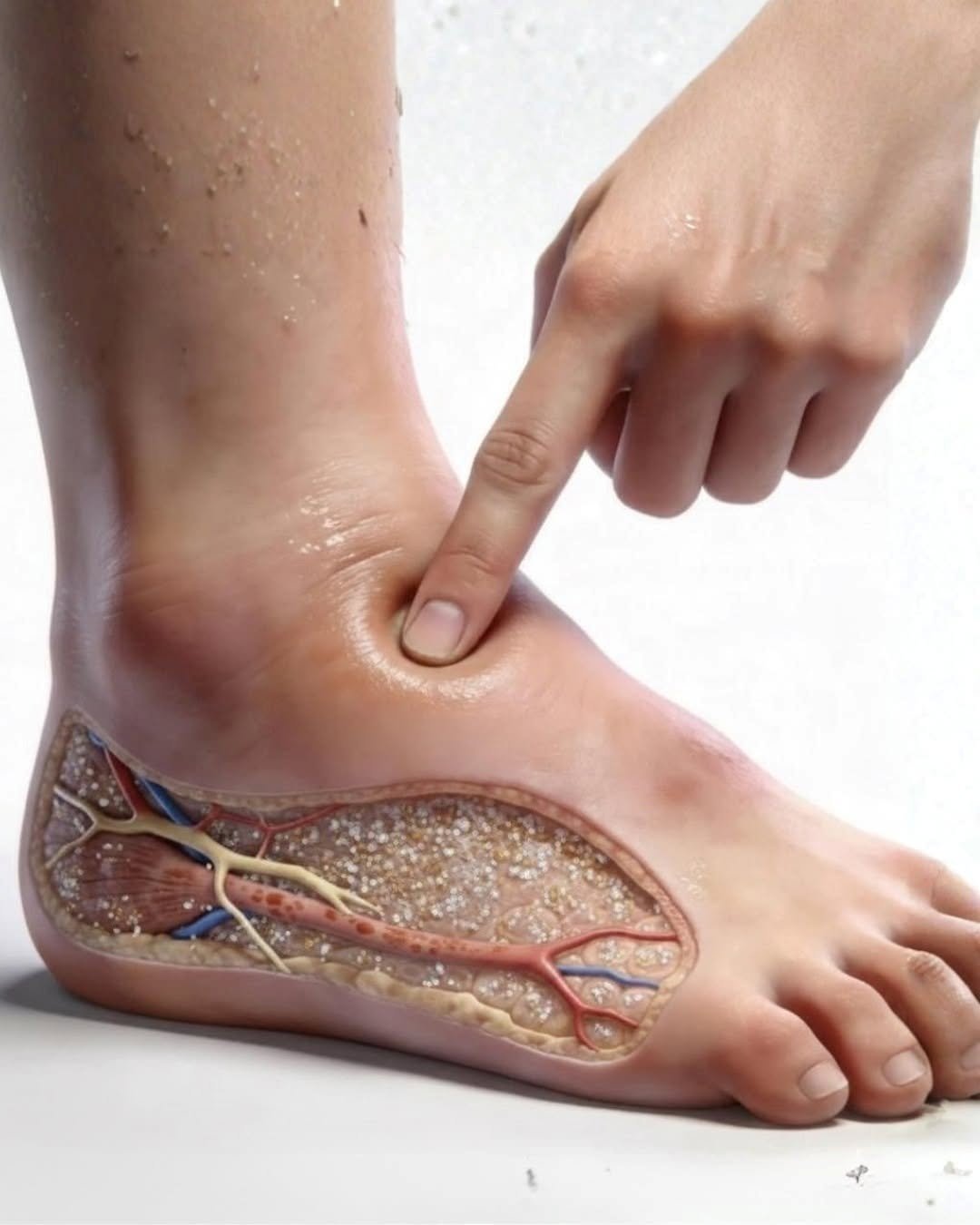
When clickbait health articles or late-night scrolling feeds cut off with a breathless tease like “These are the consequences of sleeping with…”—leaving you waiting for a bizarre warning about health, pillows, or partners—they rely on a classic curiosity gap to manufacture anxiety.
The underlying medical and behavioral reality is far more mundane, yet genuinely fascinating: what you sleep with, how you sleep, and what you keep in your immediate sleep environment directly impact your autonomic nervous system, core body temperature regulation, and spinal alignment.
An evidence-based look at the actual physiological consequences of various sleep habits separates internet alarmism from real sleep science.
1. Sleeping with the Television or Lights On
-
The Claim: Viral posts often warn of hidden neurological dangers or instant metabolic ruin from stray bedroom light.
-
The Reality: Even dim ambient light or the flickering glow of a TV screen penetrates closed eyelids, signaling the suprachiasmatic nucleus in your brain to suppress melatonin production. This prevents your body from dropping into deep, restorative slow-wave sleep, elevating your nighttime heart rate and impairing glucose metabolism by morning.
-
The Fix: Keep your sleeping environment pitch black, or use a comfortable sleep mask if total darkness isn’t possible.
2. Sleeping with Pets in the Bed
-
The Claim: Articles love to debate whether sharing a mattress with a dog or cat ruins hygiene or destroys sleep quality.
-
The Reality: It depends entirely on sleep architecture. While the emotional comfort of a pet can lower baseline cortisol for some, pets are notoriously restless sleepers. Cats and dogs move, wake up, and shift positions multiple times an hour, causing micro-arousals in human owners that fragment sleep without fully waking them up—leaving you tired despite “8 hours” in bed.
3. Sleeping with Your Smartphone Under Your Pillow or Beside the Bed
-
The Claim: Sensational headlines often stoke fears about radiation or exploding batteries, while behavioral studies focus on the psychological addiction.
-
The Reality: The real physiological consequence isn’t radiation; it’s hyper-vigilance. Having your phone within arm’s reach triggers an unconscious micro-stress state. Furthermore, waking up in the middle of the night and glancing at a bright, blue-light-emitting screen floods your brain with dopamine and instantly halts melatonin production, making it hard to fall back asleep.
4. Sleeping with Improper Neck Support (The Wrong Pillow)
-
The Claim: Vague warnings claim bad pillows cause permanent brain fog or spinal fractures.
-
The Reality: A pillow that fails to keep your cervical spine in a neutral position forces your neck muscles into an isometric contraction all night long. If you sleep on your side with a pillow that is too thin, your head tilts downward, pinching the brachial plexus and leading to morning headaches, shoulder impingement, and stiffness.
The Takeaway
You don’t need to fear your bedroom habits, but optimizing your sleep environment yields immediate, measurable improvements in energy, mood, and long-term metabolic health. Shut off the screens, secure proper spinal alignment, and keep your sleep space dark and cool.
