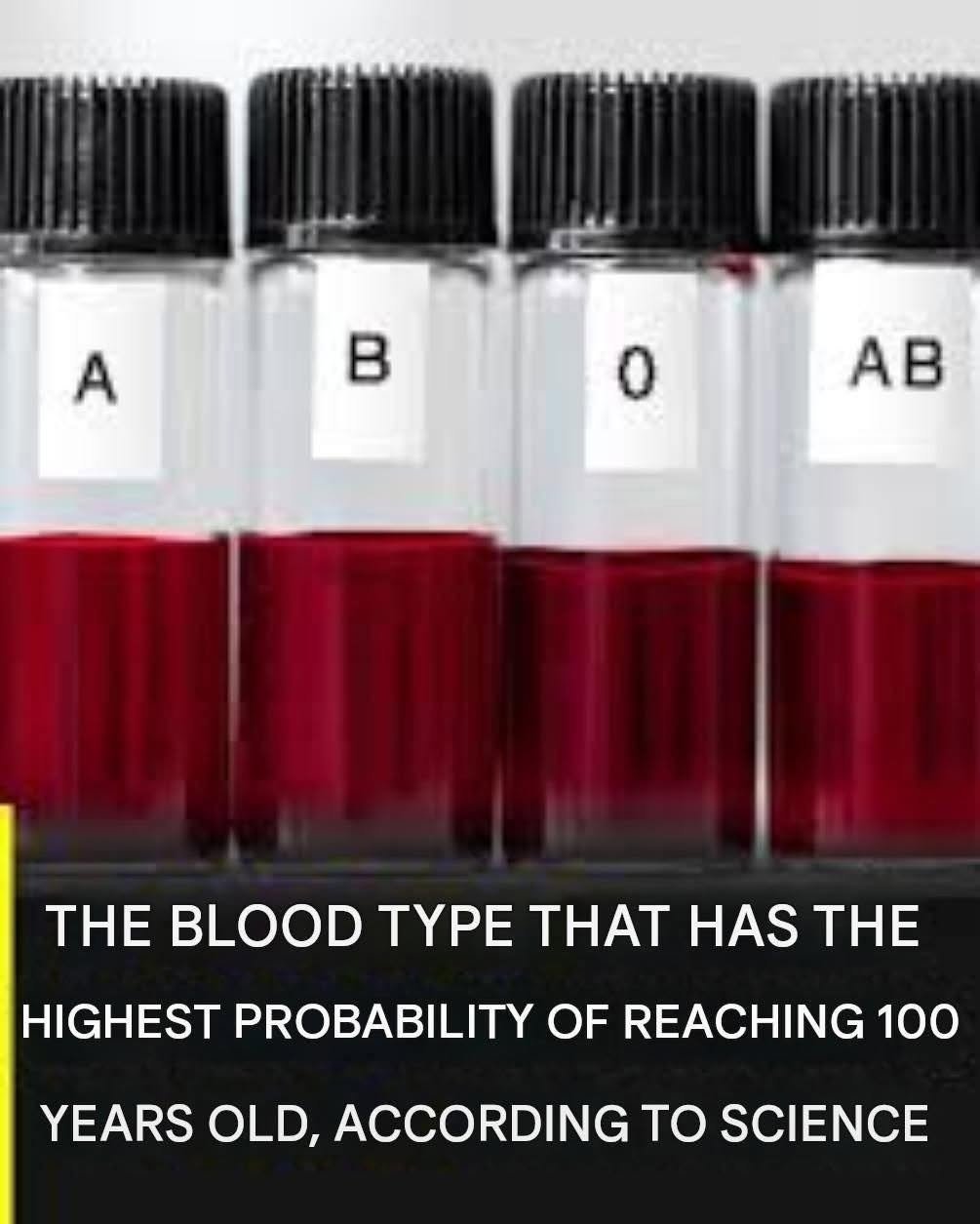
When viral clickbait headlines and health blogs promise to reveal the “blood type that is more likely to live to 100 years old,” they tap into our deep fascination with genetic determinism, offering a simple biological lottery ticket to extreme longevity.
The underlying epidemiological and genetic reality is far more nuanced: while certain blood group alleles show statistical correlations with specific disease risks in large populations, no single blood type guarantees or dictates whether you will live to be a centenarian. Longevity is a complex, multifactorial trait shaped by an intricate interplay of genetics, lifestyle, metabolic health, and environmental factors—not just the antigens on your red blood cells.
An evidence-based look at what science actually says about blood types and aging separates genetic myths from geriatric reality.
1. Where the Myth Comes From (The ABO Gene and Disease Susceptibility)
The idea that a specific blood type holds the secret to living 100 years stems from genetic studies investigating the ABO gene.
-
The Associations: Large-scale epidemiological research has observed that certain blood types (such as Type O) tend to have a slightly lower statistical risk for certain cardiovascular issues and specific types of thrombosis, whereas non-O blood types (A, B, and AB) show minor statistical correlations with slightly elevated risks for cardiovascular disease, venous thromboembolism, and certain infections.
-
The Population vs. Individual Reality: These findings represent population-level statistical probabilities, not individual destinies. Having Type O blood does not make you “immune” to aging or disease, just as having Type A blood does not mean you cannot live a long, exceptionally healthy life.
2. What Actually Determines Extreme Longevity
Gerontologists and geneticists studying centenarians (people who live to 100 or beyond) have identified the true drivers of exceptional lifespan. Blood type is virtually insignificant compared to these foundational pillars:
-
Polygenic Resilience (The Longevity Genes): True centenarians typically possess rare, protective variations across dozens of genes that regulate DNA repair, cellular senescence, metabolic efficiency, and immune system modulation. It is a complex genetic symphony, not a single blood marker.
-
Cardiovascular and Metabolic Health: The single biggest differentiator in reaching old age is how well your heart, blood vessels, and metabolic pathways resist chronic inflammation and atherosclerosis over decades.
-
Lifestyle and Environmental Factors: Diet quality, regular physical activity, not smoking, moderate alcohol consumption, robust social connections, and low chronic stress account for a massive percentage of healthy aging outcomes.
The Takeaway
Ignore the headlines claiming your blood type determines your expiration date or grants you a fast pass to 100. While genetics play a role in aging, your daily habits, metabolic health, and preventive medical care have a far greater impact on whether you live a long, vibrant life.
