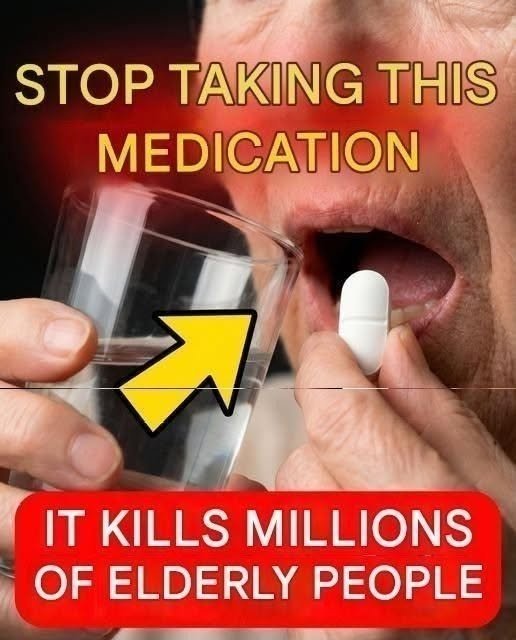
When sensational medical alerts warn that “a cardiologist warns: these 5 medications increase the risk of heart attack and stroke in older people,” they rely on fear and oversimplification to distort complex pharmacology.
The underlying clinical reality is far more nuanced: pharmaceutical risk is almost never absolute; it is a matter of individual risk-benefit ratios, dosage, pre-existing health conditions, and duration of use. While certain common medications—such as NSAIDs or specific hormone treatments—can carry cardiovascular risks for older adults, they are often prescribed because their benefits outweigh the risks for a given patient. Categorizing routine medications as blanket “heart attack triggers” ignores how physicians actually practice evidence-based medicine.
An evidence-based look at the types of medications often scrutinized in geriatric cardiology helps separate alarmist headlines from medical reality.
1. Non-Steroidal Anti-Inflammatory Drugs (NSAIDs)
Medications like ibuprofen, naproxen, and high-dose prescription NSAIDs are frequent targets of cardiovascular warnings.
-
The Clinical Concern: Regular or long-term use of NSAIDs can raise blood pressure, cause fluid retention, and slightly increase the risk of thrombotic events (heart attacks and strokes), particularly in older adults with pre-existing cardiovascular disease.
-
The Context: Taking an occasional ibuprofen for a headache is generally safe for most people. The heightened risk primarily applies to chronic, daily use in patients who already have compromised heart health—which is why doctors often recommend alternatives like acetaminophen or topical pain relievers for older adults.
2. Certain Hormonal Therapies
Hormone replacement therapy (HRT) or specific testosterone treatments have historically faced scrutiny regarding cardiovascular safety.
-
The Clinical Concern: Clinical trials (such as the Women’s Health Initiative) revealed that certain systemic hormone therapies initiated later in life or in older postmenopausal women can modestly increase the risk of blood clots, stroke, and heart disease.
-
The Context: Modern prescribing practices have evolved significantly. Doctors now carefully tailor hormone therapy based on age, time since menopause, and individual risk factors, using the lowest effective dose for the shortest necessary duration.
3. Decongestants (Pseudoephedrine and Phenylephrine)
Over-the-counter cold and sinus medications often contain oral decongestants that constrict blood vessels to reduce nasal swelling.
-
The Clinical Concern: By constricting blood vessels, these drugs can temporarily elevate blood pressure and heart rate. For an older adult with uncontrolled hypertension, this can place acute strain on the cardiovascular system.
-
The Context: Short-term use is generally manageable for healthy individuals, but cardiologists routinely advise older patients with high blood pressure or heart disease to avoid oral decongestants and opt for saline nasal sprays instead.
4. Certain Antipsychotic Medications
In specialized geriatric care, certain older or atypical antipsychotics are sometimes used to manage severe agitation or behavioral symptoms associated with dementia.
-
The Clinical Concern: Large-scale epidemiological studies have shown a modest statistical association between these medications and an increased risk of cerebrovascular events (strokes) or mortality in elderly patients with dementia.
-
The Context: This is a classic example of a complex trade-off. When behavioral symptoms pose severe safety risks, a physician may determine the treatment is necessary, but they weigh the neurological risks very carefully against the alternatives.
5. Corticosteroids (Long-Term Use)
Prescription steroids like prednisone are vital for managing severe inflammation, autoimmune conditions, and acute asthma flares.
-
The Clinical Concern: Prolonged, systemic use of corticosteroids can lead to weight gain, elevated blood sugar (insulin resistance), high blood pressure, and alterations in lipid profiles—all of which are downstream risk factors for cardiovascular disease over time.
-
The Context: Short bursts of steroids are standard and safe. The cardiovascular risks typically emerge during long-term maintenance therapy, which is why doctors monitor older patients closely and taper doses whenever possible.
The Takeaway
Ignore the generalized panic of headlines that label common medications as hidden cardiovascular traps. Every prescription and over-the-counter drug carries a profile of benefits and risks. If you or an older loved one has concerns about medications, the safest course of action is always a direct conversation with a physician or pharmacist who understands your complete medical history—not a viral internet warning.
