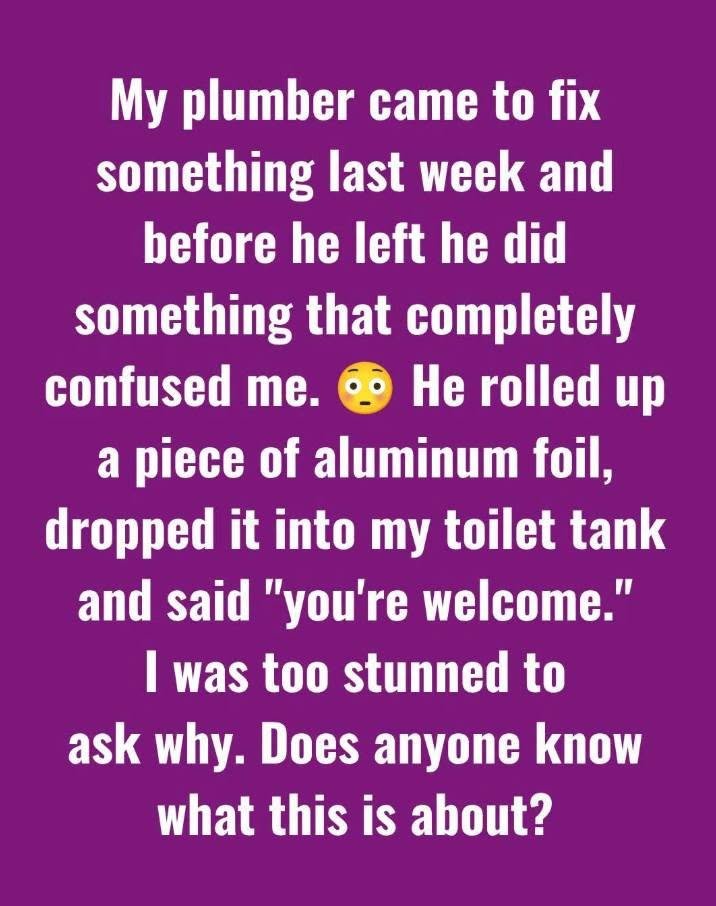
When viral cleaning and plumbing hacks claim that dropping a sheet of aluminum foil into your toilet tank will magically clean the bowl, prevent hard water rings, or stop mineral buildup, they are leaning into clever-sounding pseudo-science that sounds too good to be true.
The underlying chemical and material reality is entirely mundane: aluminum foil does nothing to clean your toilet bowl, prevent hard water rings, or soften water. While aluminum is a reactive metal, the stagnant water inside a standard residential toilet tank lacks the specific chemical catalysts, high temperatures, or acidic environments required to create any meaningful cleaning reaction.
An evidence-based look at what happens when you drop foil into a toilet tank helps separate viral plumbing myths from practical bathroom maintenance.
1. The Myth: Where Did the Hack Come From?
The viral claim usually suggests that aluminum foil reacts with minerals in the water or interacts with toilet cleaning tablets to create a self-cleaning chemical shield.
-
The Reality: Aluminum is relatively stable in neutral, cold tap water. Without strong acids, harsh bases, or extreme heat, it does not release ions or compounds that dissolve calcium carbonate (the main culprit behind hard water rings).
-
The Hazard: Tossing loose foil or crumpled balls into a toilet tank can actually backfire. Over time, thin household foil can break down, tear into flakes, or drift into the flushing mechanism, where it can jam the flapper, clog the siphon jets, or interfere with the chain and fill valve.
2. What Actually Causes Toilet Rings (And How to Fight Them)
To keep a toilet clean, you have to address the root cause of the grime:
-
Hard Water Minerals: Dissolved calcium and magnesium in hard water precipitate out when water sits, forming rough, stubborn rings right at the waterline.
-
Biofilms and Mold: The dark or pinkish slime that accumulates inside the bowl is a bacterial and fungal biofilm that feeds on microscopic organic matter in the water.
Foil sitting silently in the tank upstairs touches none of these deposits.
3. Evidence-Based Ways to Maintain Your Toilet
If you want to minimize scrubbing without resorting to useless foil tricks or risky chemical tablets (which can degrade the rubber seals and flappers inside your tank), rely on proven methods:
-
Physical Scrubbing with Acidic Cleaners: Use a pumice stone (gentle enough not to scratch porcelain when wet) or a mild descaling gel containing citric or phosphoric acid to break down hard water rings manually every few weeks.
-
In-Bowl Maintenance: If you use automatic cleaning tablets, choose drop-in formulas that are explicitly rated safe for toilet tank components, or rely on standard weekly brushings with a disinfectant.
-
Check Your Water Source: If you live in an area with extreme hard water, installing a whole-home water softener prevents mineral rings from forming in your toilets, sinks, and showers altogether.
The Takeaway
Ignore the viral cleaning videos telling you to drop aluminum foil in your toilet tank. It won’t clean your bowl, and it risks jamming your plumbing mechanism. For a truly clean toilet, nothing beats a little mechanical friction and the right cleaning agents.
