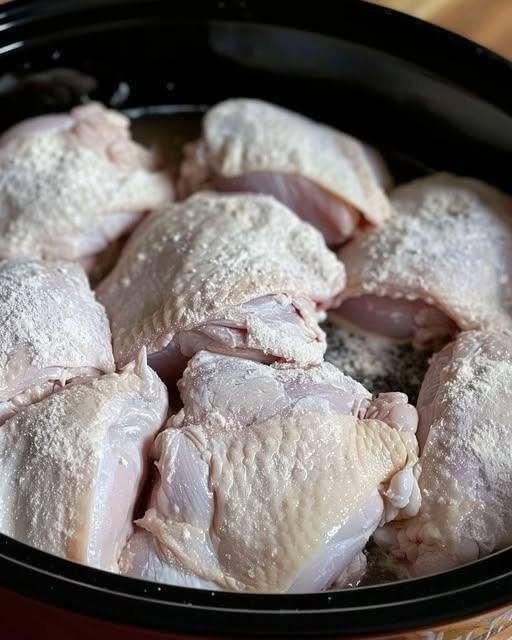
When cooking raw, bone-in chicken breast, home cooks often face a frustrating paradox: the outside gets overcooked and stringy, or the inside remains dangerously undercooked near the bone.
The underlying culinary and thermodynamic reality is clear: bone-in chicken breasts take significantly longer to cook than boneless cuts because the bone acts as a thermal insulator, slowing heat penetration to the deepest part of the meat near the joint. However, keeping the bone and skin on is your greatest culinary advantage—it acts as a natural shield, protecting the delicate breast meat from drying out and locking in maximum savory flavor.
A foolproof roasting method delivers a golden, crispy skin and tender, juicy meat every time.
The Ultimate Roasted Bone-In Chicken Breast Method
This high-heat roasting technique starts hot to render the fat and crisp the skin, then moderates the temperature to cook the thickest part of the breast evenly without drying it out.
Ingredients & Prep:
-
2 split, bone-in, skin-on chicken breasts (about 10–12 oz each)
-
1 tablespoon olive oil or melted butter
-
Seasoning blend: 1 tsp kosher salt, ½ tsp black pepper, 1 tsp garlic powder, 1 tsp smoked paprika, and 1 tsp dried herbs (like rosemary, thyme, or oregano).
Step-by-Step Instructions
Pro-Tips for Perfect Poultry
-
Trust the Thermometer: Never guess when chicken is done. Insert an instant-read meat thermometer into the thickest part of the breast, making sure not to touch the bone. Pull the chicken out when it reaches 155°F to 158°F (68°C–70°C). Residual carryover cooking will safely bring it to the USDA-recommended 165°F (74°C) while resting, keeping the meat exceptionally succulent.
-
Why Bone-In Wins: The bone insulates the surrounding meat, meaning it cooks slightly slower than boneless breast—giving you a wider margin of error before the meat dries out.
