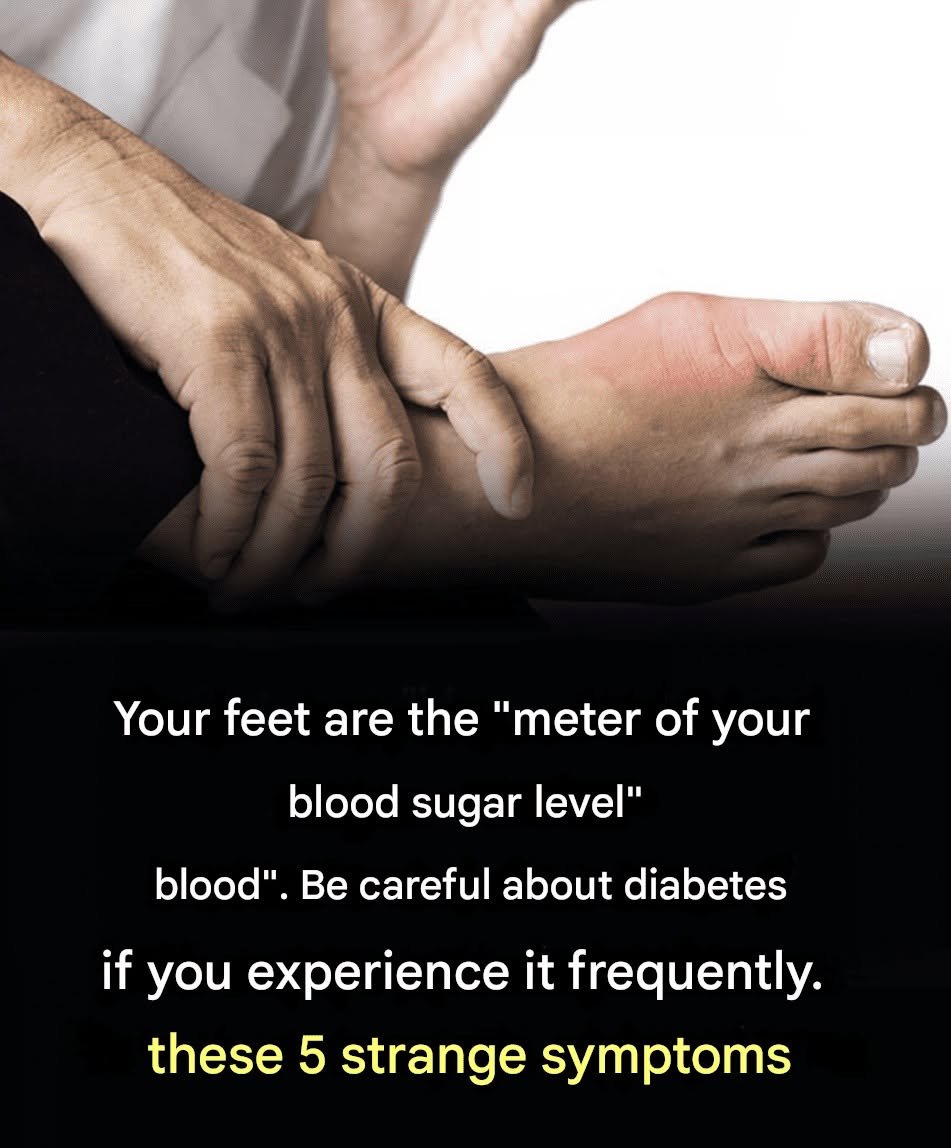
When viral health articles tease “five unusual foot symptoms” that supposedly reveal hidden diseases, they rely on medical sensationalism—turning everyday aches, minor swelling, or harmless skin quirks into terrifying diagnostic omens.
The underlying medical and physiological reality is more grounded: while your feet can reflect certain systemic health conditions (such as circulation issues, diabetes, or vitamin deficiencies), isolated or temporary foot symptoms are far more commonly caused by ill-fitting footwear, mechanical strain, or minor environmental factors. Your feet are not a mysterious crystal ball for every internal illness.
An evidence-based look at what unusual foot signs actually mean helps separate alarmist internet myths from sound clinical reality.
1. Cold Feet All the Time
-
The Alarmist Myth: Articles often claim that permanently cold feet mean your heart is failing or your circulation is on the verge of collapse.
-
The Reality: While chronic poor circulation (peripheral artery disease) or hypothyroidism can contribute, the vast majority of cold feet are simply a normal physiological response to ambient temperature, stress (which constricts peripheral blood vessels via adrenaline), or being sedentary for long periods.
2. Hairless Toes and Feet
-
The Alarmist Myth: Sudden hair loss on your toes is frequently branded as an immediate sign of severe vascular disease.
-
The Reality: While a distinct lack of hair on the lower legs and feet can be one indicator of chronic poor arterial blood flow (often accompanied by shiny skin or weak pulses), friction from tight socks, shoes, or simply natural genetic variation are much more common reasons why some people have less toe hair.
3. Thick, Discolored, or Crumbly Toenails
-
The Alarmist Myth: Weird toenails are often sensationalized as a sign of deep systemic toxicity or organ failure.
-
The Reality: In almost all cases, thickened, yellowed, or crumbling nails are caused by onychomycosis (a common fungal infection) or physical trauma from stubbing your toe or wearing tight running shoes—not a systemic disease.
4. Numbness or a “Pins and Needles” Sensation
-
The Alarmist Myth: Foot numbness is routinely framed as an ominous warning of irreversible neurological decay.
-
The Reality: Temporary numbness usually happens because you crossed your legs too long, cutting off surface nerves or blood flow. Chronic numbness can point toward peripheral neuropathy (often linked to long-term diabetes or vitamin B12 deficiencies), but it develops gradually and requires clinical testing, not panic.
5. Persistent Heel Pain (Plantar Fasciitis)
-
The Alarmist Myth: Sharp pain in the heel on your first steps in the morning is sometimes exaggerated as bone degeneration or structural collapse.
-
The Reality: This classic symptom of plantar fasciitis is an inflammation of the thick band of tissue running across the bottom of your foot. It is caused by mechanical strain, overuse, unsupportive footwear, or tight calf muscles—not a mysterious internal illness.
The Takeaway
Ignore the fear-mongering articles designed to make you self-diagnose rare diseases based on everyday foot quirks. While persistent, progressive changes in your feet—especially if paired with systemic symptoms like chronic fatigue, sores that won’t heal, or severe pain—are worth discussing with a podiatrist or physician, most foot issues are mechanical, dermatological, or environmental in origin.
