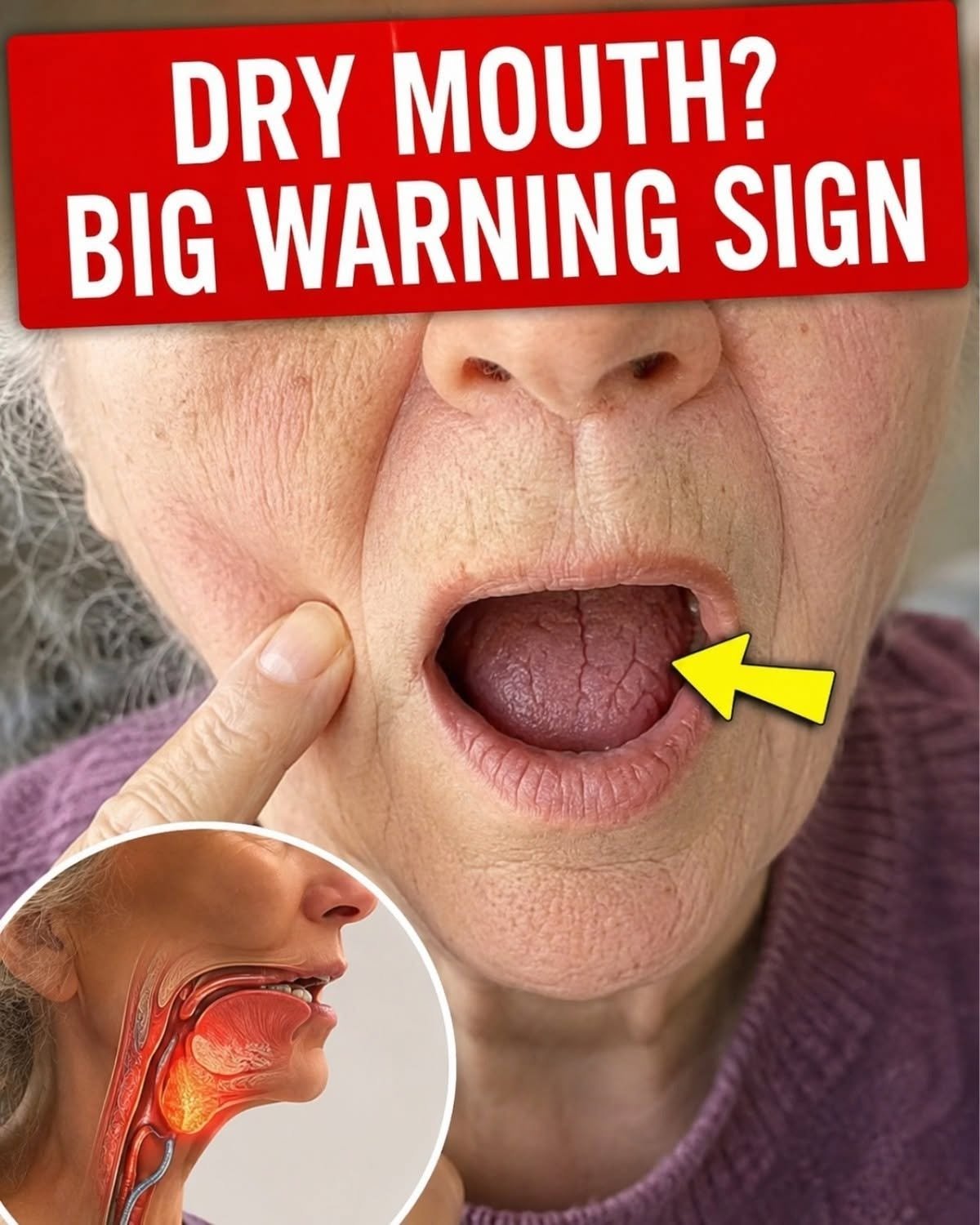
While people often write off chronic dry mouth (medically known as xerostomia) as an inevitable part of getting older, saliva production does not simply shut down because of age alone.
When your mouth constantly feels parched, sticky, or like your saliva has stopped flowing, it is a biological signal that something specific is disrupting your salivary glands.
Why Saliva Production Shuts Down
Aging itself doesn’t destroy your salivary glands, but older adults are far more likely to encounter the actual triggers that suppress saliva:
-
Medication Side Effects (The #1 Culprit): Hundreds of common prescription and over-the-counter medications list dry mouth as a side effect. This includes drugs used for high blood pressure (such as diuretics and calcium channel blockers), depression, anxiety, allergies (antihistamines), and pain. When individuals take multiple medications (polypharmacy), the cumulative effect can severely blunt saliva flow.
-
Underlying Health Conditions: Chronic conditions frequently interfere with moisture production. These include poorly controlled diabetes, neurological changes from a stroke, or autoimmune disorders like Sjögren’s syndrome, where the immune system specifically attacks moisture-producing glands.
-
Medical Treatments: Radiation therapy targeting the head or neck and certain chemotherapy drugs can damage or temporarily stun the salivary glands, dramatically reducing output.
-
Lifestyle Factors: Chronic mouth-breathing (often due to nasal congestion or sleep apnea), dehydration, and regular use of alcohol or tobacco heavily exacerbate oral dryness.
Why Saliva Matters More Than Just Comfort
Saliva is much more than a lubricant—it is a vital defense system for your mouth. Without a steady flow of it, you lose crucial protections:
-
Natural Defense Against Decay: Saliva washes away food particles, neutralizes plaque acids, and delivers minerals like calcium and phosphate to protect your tooth enamel. Without it, the risk of rapid tooth decay (especially around the gum line) spikes significantly.
-
Infection Prevention: A dry mouth creates an ideal environment for harmful bacteria and fungi to thrive, leading to a higher incidence of oral thrush (yeast infections), gum inflammation (gingivitis), and mouth sores.
-
Digestion and Speech: Saliva contains enzymes that break down starches and makes chewing, swallowing, and speaking smoothly possible.
What You Can Do About It
If you are dealing with persistent dry mouth, don’t just accept it as “aging.”
-
Review Your Medications: Talk to a doctor or pharmacist. Never stop taking prescribed medications on your own, but ask if a dosage adjustment or an alternative prescription with lower “xerogenic” (drying) side effects is available.
-
Stimulate Flow and Protect Teeth: Sip water frequently throughout the day, chew sugar-free gum (especially those containing xylitol to stimulate saliva), use a bedside humidifier at night, and maintain rigorous dental hygiene with fluoride products.
-
Consult a Professional: A dentist or physician can help pinpoint whether the cause is medication, dehydration, or an underlying systemic condition, ensuring your oral and overall health stay protected.
