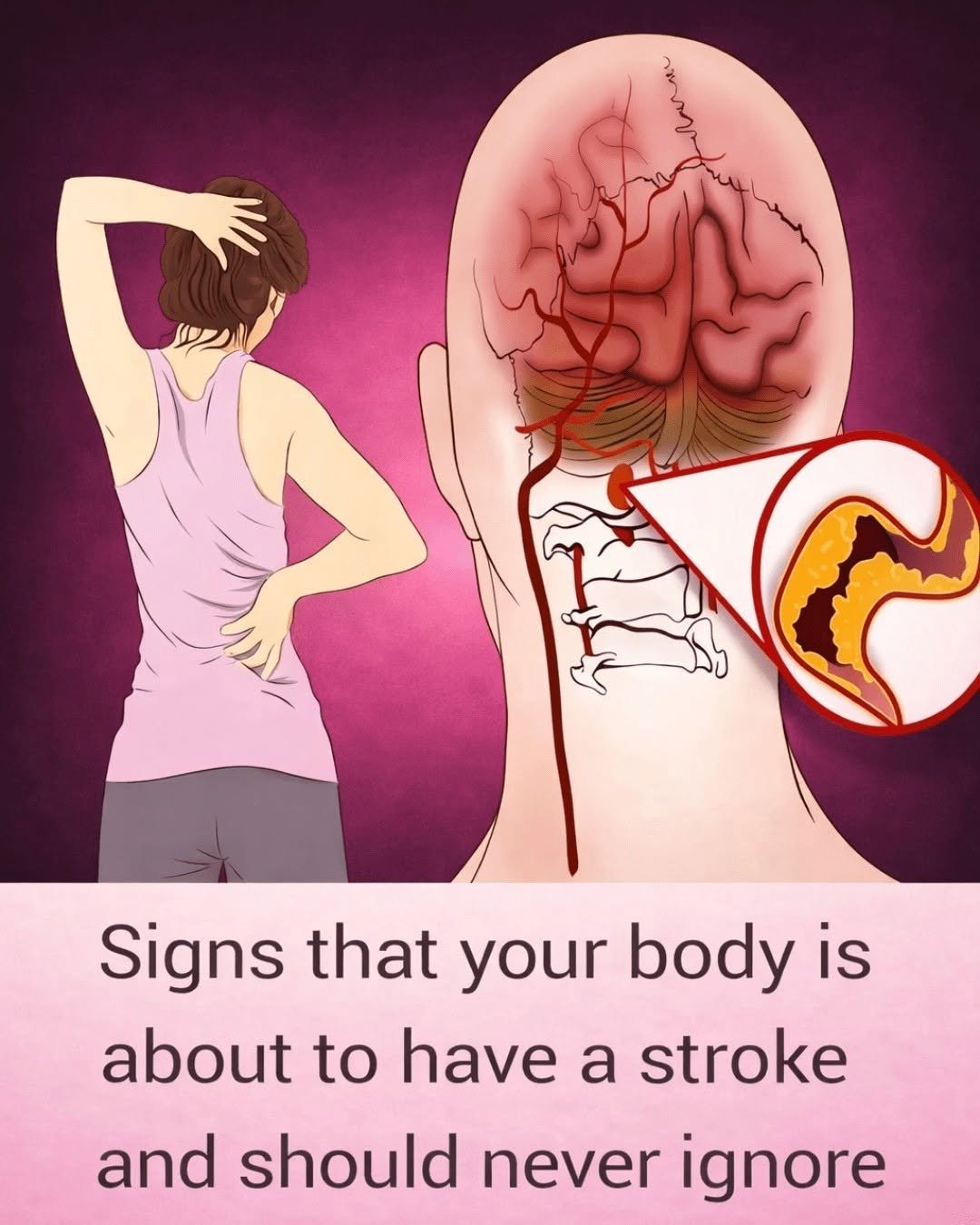
Recognizing a stroke quickly is critical, as restoring blood flow to the brain minimizes long-term damage. Medical organizations widely use the B.E. F.A.S.T. framework to encapsulate the most common and reliable warning signs:
The Core Signs (B.E. F.A.S.T.)
-
B – Balance Loss: Sudden, unexplained loss of balance, dizziness, or coordination trouble, making it difficult to walk.
-
E – Eye (Vision) Changes: Sudden blurred vision, double vision, or a partial-to-total loss of sight in one or both eyes without pain.
-
F – Face Drooping: One side of the face droops or feels numb. If the person tries to smile, the smile is uneven.
-
A – Arm Weakness: Sudden weakness or numbness in one arm. If the person raises both arms, one may drift downward or feel completely unresponsive.
-
S – Speech Difficulty: Slurred speech, trouble speaking clearly, or an inability to understand simple speech when spoken to.
-
T – Time to Call Emergency Services: If you observe any of these signs, note the time they started and call emergency services immediately. Every minute counts.
Additional Critical Warning Signs to Watch For
Beyond the core acronym, strokes can affect different regions of the brain, causing other sudden neurological red flags:
-
Sudden, Severe Headache: A blinding, “thunderclap” headache that hits with maximum intensity out of nowhere—often described as the worst headache of one’s life—frequently associated with hemorrhagic strokes.
-
Sudden Confusion or Disorientation: An abrupt inability to comprehend language, process thoughts, or recognize familiar surroundings, sometimes accompanied by sudden memory gaps.
-
Sudden Numbness or Weakness on One Entire Side: A heavy, dead sensation or complete loss of feeling affecting an entire leg, hand, or side of the body.
-
Unexplained Nausea, Dizziness, or Vomiting: Especially when paired with neurological changes like confusion or balance loss, sudden systemic distress can occasionally signal a brainstem stroke.
Why Immediate Action Matters
When a stroke occurs, millions of brain cells begin to die every minute. Quick medical intervention—such as administering clot-busting medications or performing mechanical thrombectomies—can drastically alter recovery outcomes. If you suspect someone is experiencing a stroke, do not wait to see if symptoms pass; call for emergency medical help right away.
