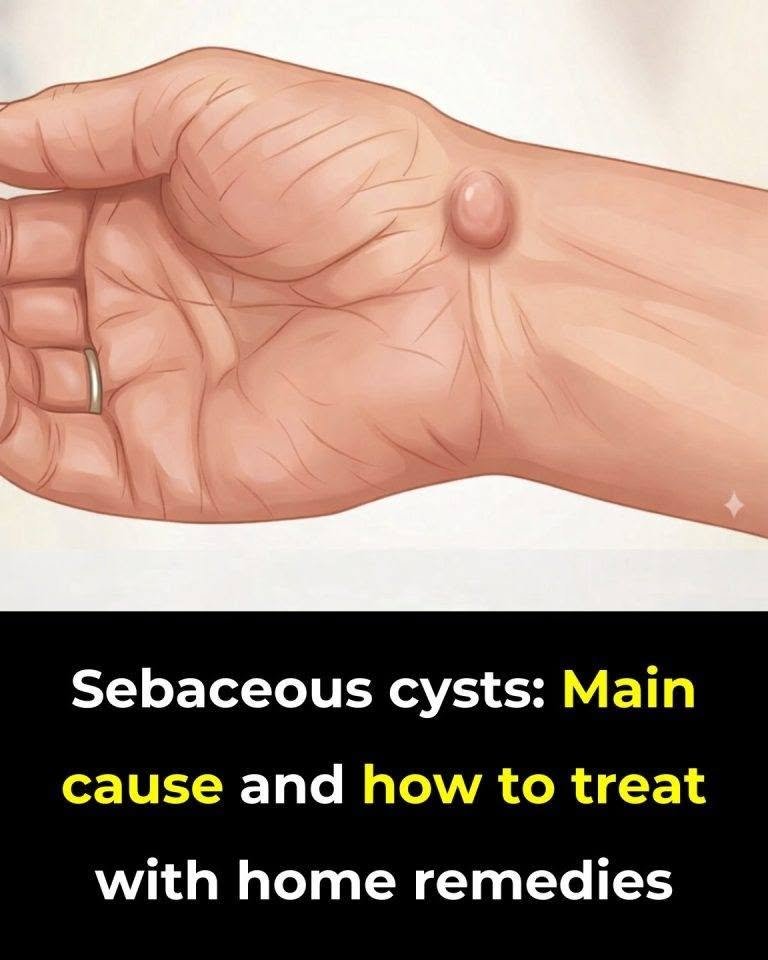
A sebaceous cyst—more accurately referred to as an epidermoid or pilar cyst—is a non-cancerous, slow-growing sac beneath the skin containing a build-up of and cutaneous oils. They appear as smooth, firm, flesh-colored or yellowish bumps, often with a visible dark pinhole at the center.
Main Causes of Sebaceous Cysts
Cysts develop when the lining of a hair follicle or oil gland becomes damaged or blocked, preventing dead skin cells from shedding naturally:
-
Hair Follicle Trauma: Micro-injuries from shaving, waxing, or friction force surface skin cells deeper into the tissue, where they continue to multiply and secrete keratin.
-
Obstructed Oil Glands: Blocked trap thick oils beneath the surface, creating a localized fluid pocket.
-
Acne & Skin Inflammation: Severe inflammatory acne or swollen pores can rupture internal follicle walls, seeding cyst formation.
-
Hereditary Factors: Conditions like Gardner syndrome or basal cell nevus syndrome predispose individuals to multiple epidermoid cysts.
Safe Home Care & Management
Critical Safety Rule: Never squeeze, pop, puncture, or cut a cyst at home. Squeezing forces keratin deeper into surrounding tissue, causing severe internal inflammation, abscess formation, or secondary bacterial infections. If the underlying capsule wall is not surgically removed, the cyst will simply refill.
-
Warm Compresses: Apply a clean, warm, damp washcloth to the area for 10–15 minutes, 3 to 4 times daily. Heat increases local blood circulation and softens the trapped sebum, helping the body naturally drain or reduce the swelling over time.
-
Antiseptic Cleansing: Wash the cyst and surrounding skin daily with warm water and mild antibacterial soap. Keep the area clean and free from heavy oils, makeup, or occlusive lotions.
-
Warm Epsom Salt Soaks: For cysts on accessible areas (like arms or lower limbs), soaking in warm water mixed with Epsom salt helps soothe surrounding skin irritation.
-
Tea Tree Oil Application: Dilute 1–2 drops of tea tree oil in a carrier oil (such as jojoba or mineral oil) and dab lightly onto intact skin around the cyst to leverage its mild antibacterial properties.
Medical vs. Home Management
| Sign / Characteristic | Safe Home Care | Requires Medical Evaluation |
| Sensation | Painless, soft, slowly growing bump. | Rapid growth, severe tenderness, or throbbing pain. |
| Appearance | Smooth surface with normal skin tone. | Redness, warmth to the touch, or spreading inflammation. |
| Drainage | Clean, intact surface skin. | Thick, foul-smelling, or milky discharge. |
| Treatment Approach | Warm compresses & clean hygiene. | In-office excision or antibiotic therapy. |
