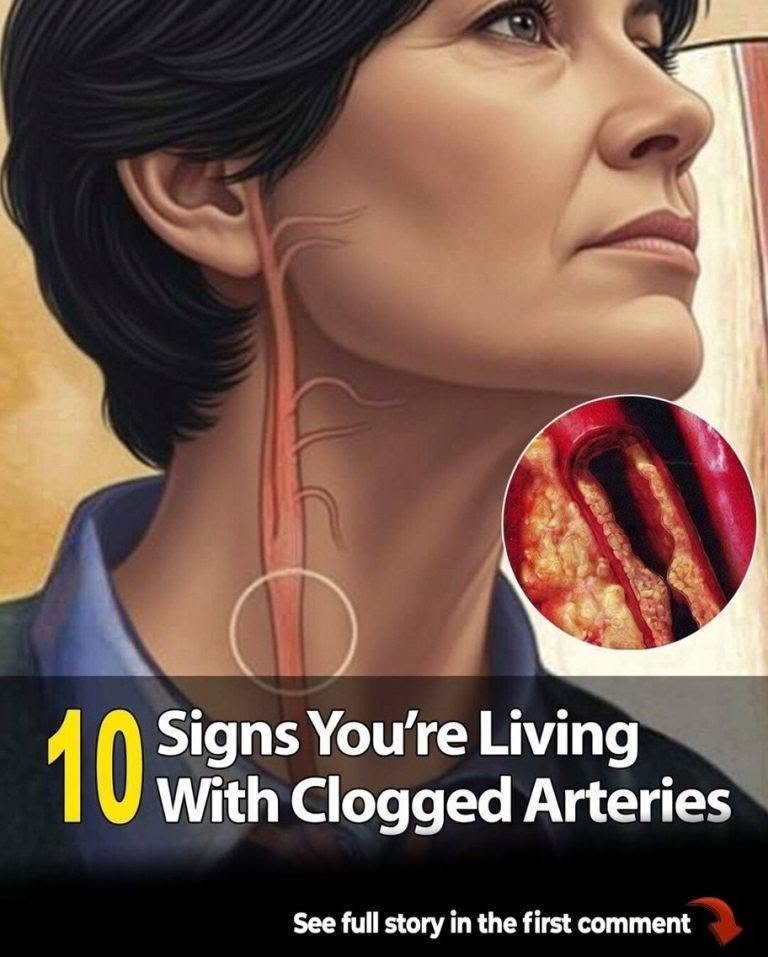
Headlines warning about “10 indicators of blocked arteries you shouldn’t ignore” rely on classic alarmist medical clickbait, taking vague, nonspecific physical sensations and framing them as an immediate, catastrophic cardiac crisis.
While cardiovascular disease is a serious medical reality, sensationalized online lists often blur the line between normal physiological quirks and dangerous arterial plaque buildup, triggering intense health anxiety. Understanding how atherosclerosis actually develops helps separate evidence-based cardiology from internet scare tactics.
Why “Blocked Arteries” Clickbait Exploits Readers
Sensationalized health articles thrive on high-stakes fear:
-
The “Silent Killer” Hyperbole: Articles frequently take common, benign symptoms—like a brief muscle cramp, cold feet from a chilly room, or minor fatigue—and present them as definitive proof of impending heart attacks or strokes.
-
Lack of Clinical Context: Arterial blockages (atherosclerosis) build up silently over years through complex systemic factors. They do not broadcast themselves via quirky, random surface symptoms that an internet listicle can diagnose.
Real Clinical Indicators vs. Common Misinterpretations
To cut through the panic, it helps to distinguish between actual medical warning signs of vascular disease and everyday physical sensations:
-
Genuine Clinical Indicators of Vascular Pathology:
-
Exertional Angina: Chest pain, pressure, or tightness that consistently occurs during physical exertion or emotional stress and reliably subsides with rest, indicating reduced blood flow to the heart muscle.
-
Intermittent Claudication: A distinct cramping, aching, or fatigue in the leg muscles (calves, thighs, or buttocks) that reliably triggers during walking and disappears promptly with rest, signaling Peripheral Artery Disease (PAD).
-
Transient Ischemic Attacks (TIAs): Sudden neurological deficits—such as temporary slurred speech, facial drooping, or sudden weakness on one side of the body—which serve as critical warning signs of restricted blood flow to the brain.
-
-
Common Non-Pathological Misinterpretations:
-
Random Muscle Twitches or Sharp Chest Taps: Sharp, brief twinges of pain that last a fraction of a second or change with breathing or posture are almost always musculoskeletal or gastrointestinal in origin, not cardiac.
-
Cold Hands and Feet: General cold extremities are usually a normal response to ambient temperature regulation or benign peripheral vasoconstriction, rather than blocked arteries.
-
Evidence-Based Ways to Assess and Protect Your Cardiovascular Health
If you want to maintain long-term vascular health, skip the alarmist internet checklists and focus on proven clinical metrics:
-
Know Your Numbers: Work with a primary care physician to regularly monitor your blood pressure, lipid panel (cholesterol and triglycerides), and fasting blood glucose. These objective labs are the true indicators of cardiovascular risk.
-
Lifestyle Fundamentals: Focus on evidence-based pillars—such as regular aerobic exercise, a nutrient-dense diet rich in fiber and healthy fats, maintaining a tobacco-free lifestyle, and managing stress.
-
Professional Medical Evaluation: If you experience persistent, unexplained chest discomfort, unusual shortness of breath during routine activities, or cramping in your legs while walking, consult a physician promptly for proper diagnostic testing (such as an ECG, echocardiogram, or vascular ultrasound).
The Bottom Line
Ignore the alarmist clickbait designed to panic you over every minor ache or cold toe. Genuine cardiovascular health is evaluated through professional clinical diagnostics, routine lab work, and sustainable heart-healthy habits—not internet listicles predicting doom.
