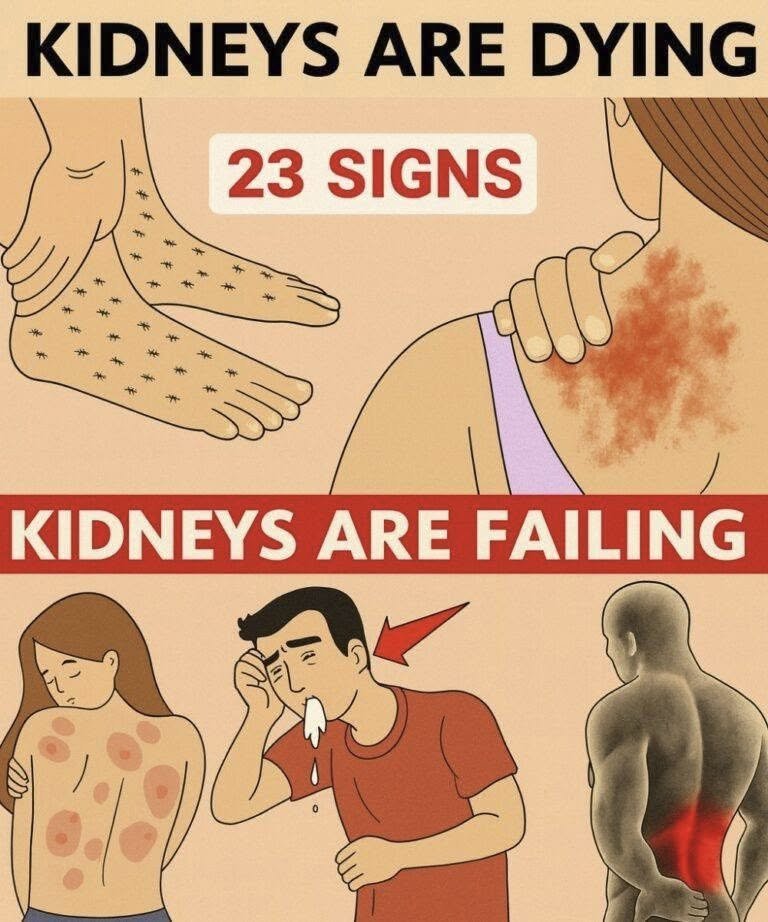
Headlines warning about “23 strange signs your kidneys might be in trouble” rely on classic alarmist medical clickbait, taking normal, everyday bodily variations—like occasional fatigue, puffy eyes after a salty meal, or minor changes in bathroom habits—and framing them as indicators of impending organ failure.
While chronic kidney disease is a serious medical condition that requires careful management, sensationalized lists exploit health anxiety by inflating vague, non-specific symptoms into terrifying prognostic warnings. Understanding how kidneys actually function and how physicians clinically monitor them helps separate evidence-based nephrology from internet scare tactics.
Why “Kidney Trouble” Clickbait Exploits Readers
Sensationalized health articles thrive on oversimplification and fear:
-
Cataloging Common Quirks: Articles pad their lists with dozens of mundane occurrences—such as dry skin in winter or feeling tired on a Monday—and present them as mysterious red flags for organ malfunction.
-
Skipping Diagnostic Reality: The kidneys are remarkably resilient organs with enormous functional reserve. They rarely fail silently without leaving clear, measurable footprints in standard clinical lab work.
Real Clinical Indicators vs. Common Misinterpretations
To cut through the panic, it helps to distinguish between actual medical indicators of renal distress and everyday physiological fluctuations:
-
Genuine Clinical Indicators of Kidney Pathology:
-
Persistent Proteinuria (Foamy Urine): When damaged kidney filters (glomeruli) allow large amounts of protein to leak into the urine, it can create a persistent, heavy froth resembling scrambled eggs.
-
Significant, Unexplained Edema: Pitting edema—swelling in the ankles, feet, or hands caused by fluid retention—that does not resolve with rest and stems from the kidneys’ inability to balance sodium and fluid levels.
-
Chronically Elevated Creatinine and Decreased GFR: Blood tests revealing rising waste products and a declining Glomerular Filtration Rate, which are the true diagnostic standards for kidney function.
-
Persistent High Blood Pressure: Hypertension can both cause and result from kidney disease, creating a destructive feedback loop.
-
-
Common Non-Pathological Misinterpretations:
-
Morning Puffy Eyes: Waking up with mild puffiness around the eyes is usually temporary, caused by fluid shifting overnight, sleeping position, or a high-sodium dinner—not immediate kidney failure.
-
General Fatigue: While advanced kidney disease causes fatigue due to anemia or toxin buildup, general tiredness is far more commonly tied to poor sleep, stress, or a busy lifestyle.
-
Evidence-Based Ways to Monitor and Protect Your Kidneys
If you want to maintain long-term renal health, skip the alarmist internet checklists and focus on proven clinical metrics:
-
Routine Blood and Urine Tests: The only definitive way to catch early kidney issues is through routine screening ordered by your primary care physician—specifically checking your blood pressure, a serum creatinine test (to estimate your GFR), and a simple urine test for albumin (protein).
-
Manage Underlying Risk Factors: The two leading causes of chronic kidney disease are diabetes and hypertension. Keeping your blood sugar and blood pressure within healthy, doctor-recommended ranges is the single best way to protect your kidneys.
-
Stay Mindful of Medication Use: Frequent, high-dose use of certain over-the-counter NSAIDs (like ibuprofen or naproxen) can strain kidney function over time. Always consult a physician or pharmacist about safe pain management.
The Bottom Line
Ignore the alarmist clickbait listing dozens of bizarre signs of kidney trouble. True renal health is evaluated through routine clinical blood and urine testing, blood pressure management, and professional medical care—not internet listicles designed to make you panic over a puffy morning face.
