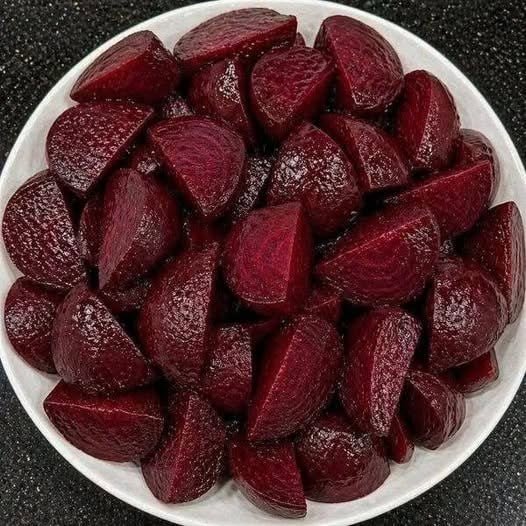
Headlines teasing what “doctors reveal eating beets causes” rely on classic sensationalized clickbait, taking a wholesome, nutrient-dense root vegetable and framing its normal biological side effects as shocking medical discoveries.
While beets are packed with beneficial dietary nitrates, fiber, and antioxidants, consuming them does trigger a few distinct, predictable physiological reactions. Understanding these effects helps separate everyday nutritional reality from internet exaggeration.
The Real Physiological Effects of Eating Beets
When doctors discuss what happens when you eat beets, they aren’t warning of a hidden hazard; they are usually referring to well-documented metabolic interactions:
-
Beeturia (Red or Pink Urine/Stool): This is the most common and startling effect. Roughly 10% to 14% of the population experiences beeturia, where pigments in beets (betalains) pass through the digestive tract and kidneys unchanged, turning urine or stool a striking pink or red. While it can look alarming—frequently mimicking blood—it is completely harmless. (Note: Persistent red urine without recent beet consumption should always be evaluated by a physician).
-
Blood Pressure Reduction (Vasodilation): Beets are exceptionally rich in natural dietary nitrates. Once ingested, your body converts these nitrates into nitric oxide, which relaxes and widens blood vessels. While this is generally beneficial for supporting healthy blood pressure, individuals already taking hypertension medication or those with naturally low blood pressure (hypotension) should be mindful, as it can occasionally cause lightheadedness.
-
Gastrointestinal Shifts (Fiber and FODMAPs): Beets contain significant amounts of dietary fiber and fermentable carbohydrates (FODMAPs). Eating a large quantity suddenly—especially as concentrated beet juice—can lead to mild bloating, gas, or changes in bowel habits, particularly for individuals with sensitive digestive systems or Irritable Bowel Syndrome (IBS).
-
Oxalate Content: Like many healthy vegetables (such as spinach and chard), beets contain oxalates. For individuals with a history of calcium oxalate kidney stones, consuming large amounts of high-oxalate foods requires moderation and proper hydration.
The Bottom Line
Ignore the dramatic clickbait implying that eating beets triggers mysterious medical emergencies. Beets are a healthy, whole food that offers great nutritional value—provided you aren’t startled by harmless pink urine or managing specific medical sensitivities like chronic kidney stones or low blood pressure.
