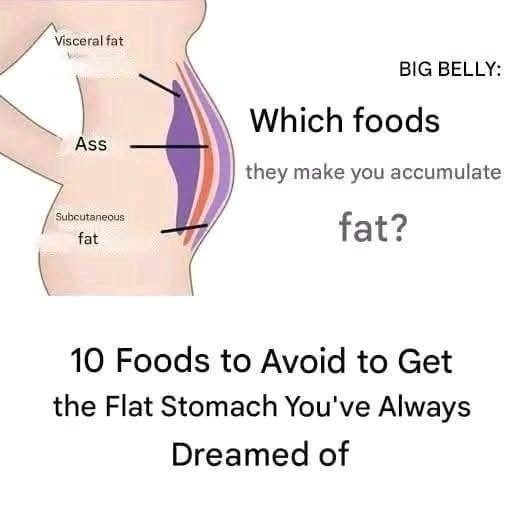
Headlines promising that avoiding “10 specific foods” will grant you a flat stomach rely on classic fitness-industry clickbait, packaging basic weight management into a restrictive, guilt-driven myth.
While certain foods can temporarily increase temporary abdominal bloating or water retention for some individuals, no single food prevents a flat stomach, and no specific list of eliminated items can magically spot-reduce belly fat. Understanding how body composition and digestion actually work helps separate evidence-based physiology from internet diet scams.
Why “Flat Stomach Foods to Avoid” Clickbait Misleads
Sensationalized diet articles thrive on fear-based nutritional rules:
-
The “Spot Reduction” Fallacy: Ads often imply that avoiding certain healthy foods (like fruit, whole grains, or dairy) will melt fat specifically off your midsection. In reality, fat loss is systemic; your body chooses where to shed fat based on genetics, hormones, and overall caloric balance, not targeted food avoidance.
-
Demonizing Nutrient-Dense Foods: These lists frequently villainize wholesome foods—such as beans, lentils, whole grains, or cruciferous vegetables—simply because they can cause mild, temporary gas in some people, ignoring the rich fiber and prebiotics they provide.
The Real Science Behind Abdominal Appearance
A “flat stomach” is typically determined by two distinct factors: body fat percentage and gastrointestinal distension (bloating).
-
Visceral and Subcutaneous Fat: Fat stored around your abdominal organs and underneath the skin decreases only when you maintain a sustainable caloric deficit over time, combined with regular physical activity, adequate sleep, and stress management. No food elimination accelerates this process independently.
-
Digestive Bloating vs. Fat: Many foods that trigger a protruding stomach do so not by adding fat, but by causing temporary gas and water retention. Foods high in fermentable carbohydrates (FODMAPs)—like onions, garlic, beans, and certain dairy products—ferment in the gut, producing gas. While this stretches the abdominal wall temporarily, it is a normal digestive process, not weight gain.
Evidence-Based Ways to Manage Midsection Comfort and Health
If you want to reduce bloating and support a healthy, comfortable midsection, skip the rigid restrictive food lists and focus on clinical reality:
-
Focus on Overall Energy Balance: Sustainable weight management relies on a balanced intake of lean proteins, healthy fats, and high-fiber carbohydrates, rather than cutting out entire food groups out of fear.
-
Identify Personal Triggers: If certain foods consistently make you uncomfortably gassy or bloated, keep a food journal or consult a gastroenterologist or registered dietitian to check for specific sensitivities (like lactose intolerance or IBS)—without unnecessarily starving your microbiome of diverse, healthy fibers.
-
Support Digestion Through Habits: Eating slowly, staying well-hydrated, and engaging in regular physical activity naturally support gut motility and reduce sluggish digestion.
The Bottom Line
Ignore the viral clickbait claiming a list of forbidden foods stands between you and your dream stomach. True body composition and digestive comfort come from sustainable, balanced nutrition, healthy lifestyle habits, and professional guidance—not restrictive internet gimmicks.
