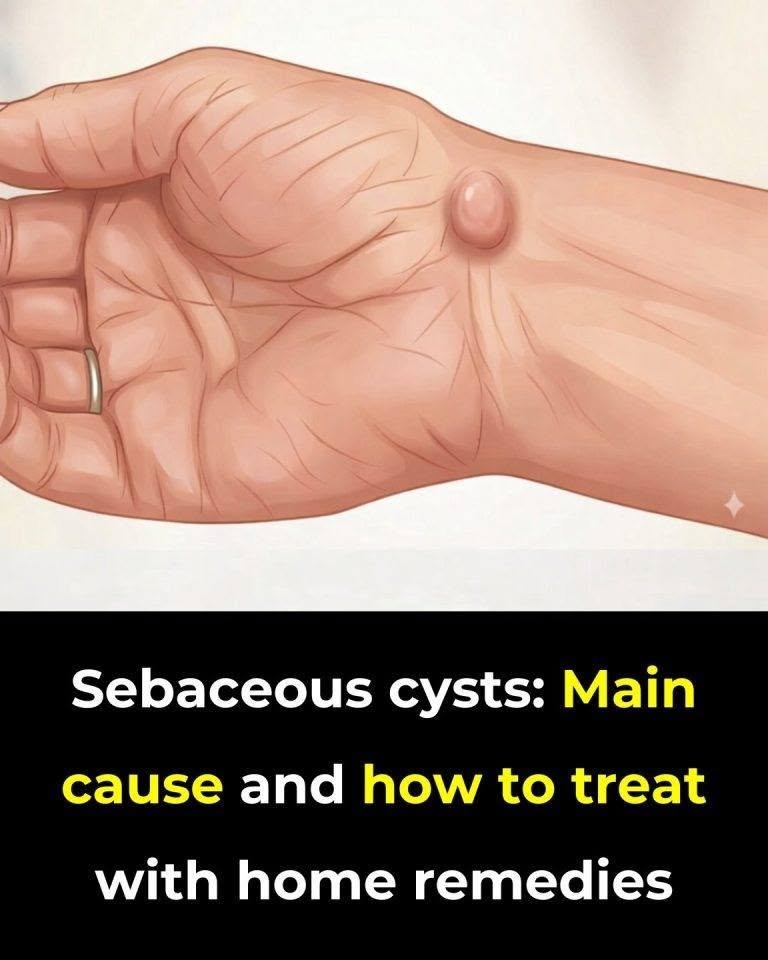
Headlines offering “home remedy solutions” for sebaceous cysts rely on classic dermatology clickbait, taking a benign skin lesion and encouraging risky, unsterile DIY extraction methods that often lead to severe infection.
While epidermal inclusion cysts (commonly and mistakenly called sebaceous cysts) are very common, treating them like a simple pimple to be popped at home is a recipe for complications. Understanding what these cysts actually are helps separate safe medical care from dangerous bathroom surgery.
Why “Home Remedy” Cysts Clickbait Misleads
Sensationalized skin-care posts thrive on quick, satisfying fixes:
-
The “Pop and Purge” Fallacy: Viral videos and DIY guides treat cysts like standard acne blemishes, suggesting you can just squeeze them away. In reality, a true cyst has a protective epithelial sac (wall) underneath the skin. Squeezing it typically ruptures the sac inward, driving keratin and bacteria deep into the surrounding tissue and triggering a painful, swollen abscess.
-
False Promises from Topical “Miracles”: Articles often claim that applying apple cider vinegar, essential oils, or drawing salves will dissolve a cyst. Because the cyst wall is enclosed beneath the skin’s surface, topical home remedies cannot penetrate deeply enough to eliminate the sac.
What Actually Causes Sebaceous (Epidermal Inclusion) Cysts?
True sebaceous cysts arise from sebaceous glands, but the vast majority of lumps people find are actually epidermal inclusion cysts:
-
The Mechanism: These slow-growing, benign bumps form when surface skin cells (keratinocytes) migrate deeper into the epidermal layer rather than shedding off the surface.
-
The Contents: They form a closed sac filled with a thick, cheesy, foul-smelling protein substance called keratin, not liquid sebum.
-
Common Triggers: They can develop due to minor trauma to a hair follicle, blocked sebaceous ducts, or genetic predispositions. They are typically harmless, mobile beneath the skin, and painless unless they become inflamed or infected.
Evidence-Based Ways to Manage and Treat Cysts
If you have a noticeable cyst, skip the unsterile bathroom extractions and harsh chemical remedies, and focus on clinical realities:
-
Warm Compresses for Inflammation: If a cyst becomes slightly tender or inflamed, applying a clean, warm compress for 10 to 15 minutes a few times a day can soothe discomfort and encourage natural drainage if it opens on its own. Never force it.
-
Professional Medical Evaluation: Visit a primary care physician or dermatologist for an accurate diagnosis. Not all skin lumps are benign cysts; a professional must rule out other growths.
-
In-Office Surgical Removal: The only permanent way to get rid of an epidermal inclusion cyst is complete surgical excision of the entire cyst wall. If a doctor merely drains the fluid without removing the sac, the cyst will almost always refill and return.
-
Treating Infected Cysts: If a cyst becomes severely red, hot, throbbing, or starts draining pus, see a doctor immediately. You may need a course of antibiotics or a minor in-office incision-and-drainage procedure to clear the acute infection before it can be surgically removed later.
The Bottom Line
Ignore the viral clickbait promoting DIY home remedies or aggressive popping for sebaceous cysts. While most cysts are harmless, attempting to squeeze or treat them at home dramatically increases your risk of infection and scarring—proper dermatological care is always the safest path.
