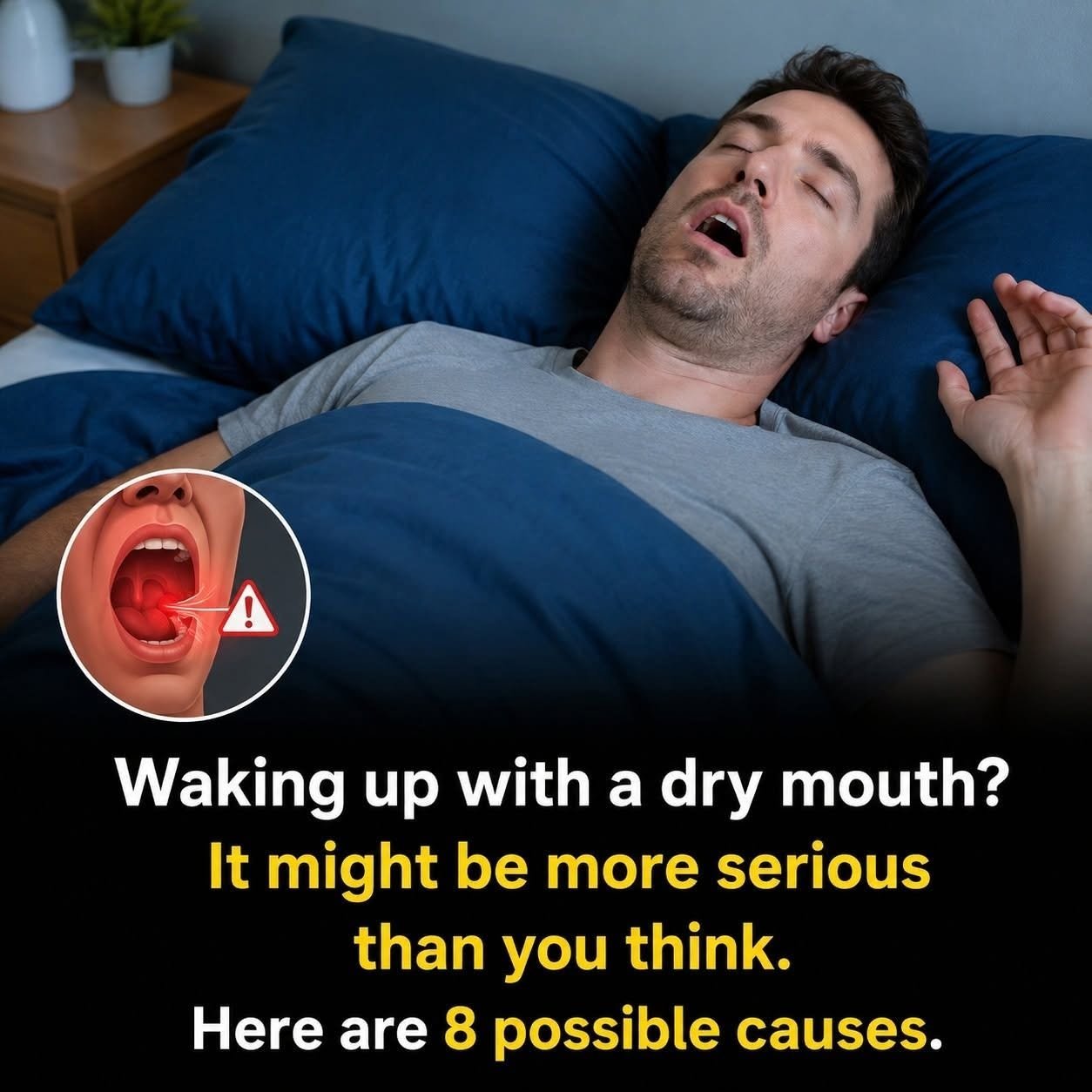
Headlines warning about “8 warning signs of dry mouth at night you shouldn’t ignore” rely on classic alarmist medical clickbait, taking a common, manageable nocturnal symptom and framing it as an imminent systemic catastrophe.
While persistent dry mouth (xerostomia) during sleep is uncomfortable and warrants dental attention, sensationalized lists often exaggerate everyday waking dryness into terrifying prognostic warnings. Understanding why your mouth dries out while you sleep helps separate evidence-based dental reality from internet scare tactics.
Why “Nighttime Dry Mouth” Clickbait Exploits Readers
Sensationalized health articles thrive on high-stakes fear:
-
The “Silent Organ Failure” Hyperbole: Articles frequently take common, benign nocturnal occurrences—like waking up thirsty after a warm night or breathing through your nose when congested—and present them as definitive proof of impending disease.
-
Ignoring Simple Mechanical Causes: Nighttime dry mouth is overwhelmingly driven by basic physiological habits, environmental factors, or medication side effects, rather than sudden gland collapse.
Real Clinical Indicators vs. Common Misinterpretations
To cut through the panic, it helps to distinguish between actual medical warning signs associated with chronic dry mouth and normal nighttime physiological variations:
-
Genuine Clinical Indicators Requiring Attention:
-
Rampant, Unexplained Dental Decay: A sudden spike in cavities—particularly along the gumline or the roots of teeth—because saliva is no longer present to neutralize acids and remineralize enamel.
-
Persistent Oral Candidiasis (Thrush): Recurrent fungal infections, presenting as white patches on the tongue or inner cheeks, which thrive in a dry, unlubricated oral environment.
-
Chronic Dysphagia or Dysgeusia: Persistent difficulty swallowing dry foods or a chronic distortion of taste caused by a severe lack of salivary lubrication.
-
-
Common Non-Pathological Misinterpretations:
-
Morning Cottonmouth After Sleeping: Waking up with a dry mouth because you slept with your mouth open due to a mild sinus blockage, dry bedroom air, or snoring is completely normal and resolves quickly with a glass of water.
-
Temporary Dryness from Evening Habits: Mild morning dryness caused by eating a very salty dinner, drinking alcohol before bed, or taking standard over-the-counter antihistamines for seasonal allergies.
-
Evidence-Based Ways to Manage Nighttime Dry Mouth
If you frequently wake up with a dry mouth, skip the alarmist internet checklists and focus on proven, practical steps:
-
Address Air Moisture: Use a bedside humidifier in your bedroom to keep ambient air moist, which reduces the rate of moisture evaporation from your mouth while you sleep.
-
Prioritize Nasal Breathing: If congestion or a deviated septum forces you to breathe through your mouth overnight, treat underlying allergies or consult an ENT to improve nasal airflow.
-
Use Long-Lasting Moisture Products: Over-the-counter artificial saliva sprays, soothing mouth rinses, or moisturizing gels formulated specifically for nighttime use can coat and protect your oral tissues for hours.
-
Professional Dental Checkups: Because a chronic lack of saliva significantly increases your risk of tooth decay, visit your dentist regularly for preventive care, fluoride treatments, and personalized guidance.
The Bottom Line
Ignore the alarmist clickbait designed to panic you over a dry morning mouth. While persistent nocturnal dryness requires attention to protect your dental enamel, it is almost always managed through environmental adjustments, hydration, and proper dental care—not internet listicles predicting doom.
