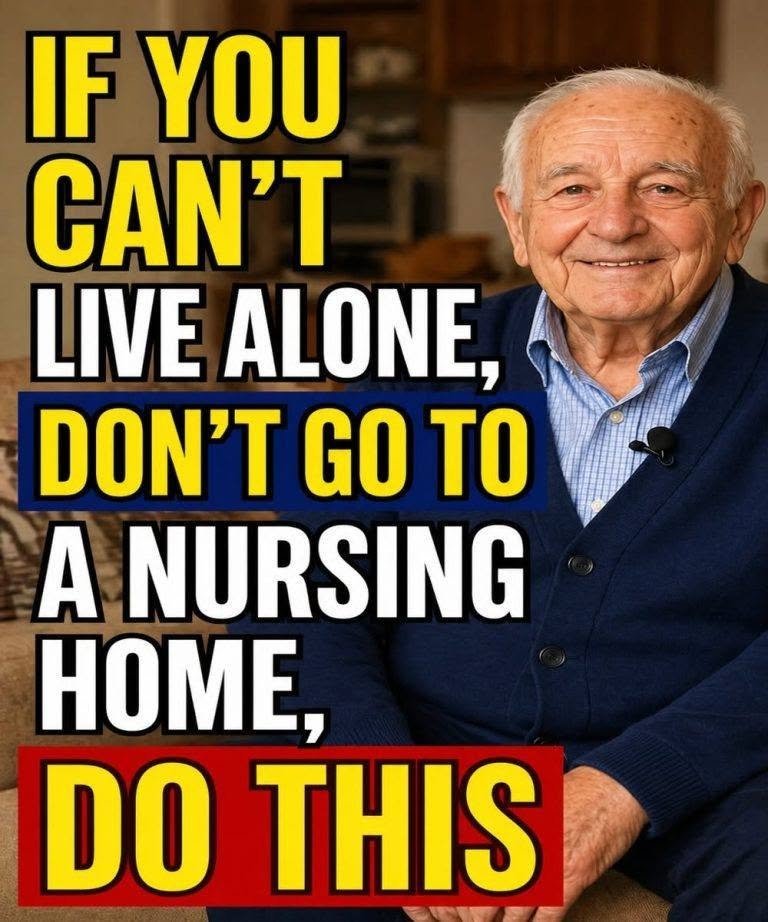
Transitioning into a phase of life where living entirely independently is no longer safe or practical does not mean a nursing home or residential care facility is your only option. Depending on your health needs, budget, and personal preferences, several alternatives allow you to maintain autonomy, comfort, and community connection.
1. In-Home Care Services (Aging in Place)
If you prefer to stay in your current home, professional care can be brought directly to you.
-
Non-Medical Personal Care Aides: Assist with daily activities such as bathing, dressing, meal preparation, light housekeeping, and running errands. Services range from a few hours a week to 24/7 care.
-
Home Health Care (Skilled Care): Registered nurses and physical, occupational, or speech therapists provide medical care ordered by a doctor (wound care, medication management, rehabilitation).
-
Home Modifications: Simple upgrades—such as installing grab bars, stairlifts, ramps, walk-in tubs, and smart home monitoring systems—can make your current living space safe and accessible.
2. Living with Family (Intergenerational Living)
Moving in with adult children or close family members is a traditional and supportive alternative.
-
Accessory Dwelling Units (ADUs / “Granny Pods”): Small, detached or attached guest houses built on a family member’s property. They feature accessible, single-story layouts while offering privacy alongside immediate family support.
-
Shared Living Space: Converting a main-floor room into a suite with an accessible bathroom allows you to remain close to family while preserving your daily routines.
3. Accessory / Senior Co-Housing & Roommate Matching
Sharing a home or living in a intentional community balances independence with social connection and cost-sharing.
-
Home Sharing: Pairing with another older adult or a younger housemate who receives free or reduced rent in exchange for assisting with chores, driving, and overnight security.
-
Senior Co-Housing: Private homes or apartments clustered around a central community house with shared meals, gardens, and group activities, fostering built-in social support and mutual assistance.
4. Independent Living Communities & Continuing Care (CCRCs)
If you do not require daily medical assistance but want to drop home maintenance burdens:
-
Senior Apartments / Independent Living: Offers maintenance-free living with private units, community dining options, transportation, and social calendars, with the option to hire private in-home aides if needs increase.
-
Continuing Care Retirement Communities (CCRCs): Allow you to enter as an independent resident and transition seamlessly to assisted living or skilled nursing within the same campus if your care needs change over time.
5. Adult Day Care Centers & Respite Care
For those living with family or managing with part-time help:
-
Adult Day Care: Provides daytime supervision, social activities, meals, and basic health monitoring in a group setting, allowing you to return to your own home every evening while giving family caregivers essential daytime breaks.
Key Questions to Guide Your Decision
| Factor | Key Considerations |
| Level of Care Needed | Do you need help with mobility, bathing, and hygiene, or just cooking and driving? |
| Financial Resources | What is covered by insurance, long-term care policies, or private savings? |
| Social Preferences | Do you thrive in a quiet private setting or enjoy active community events? |
| Home Safety | Can your current home be modified safely, or are stairs and layout a hazard? |
