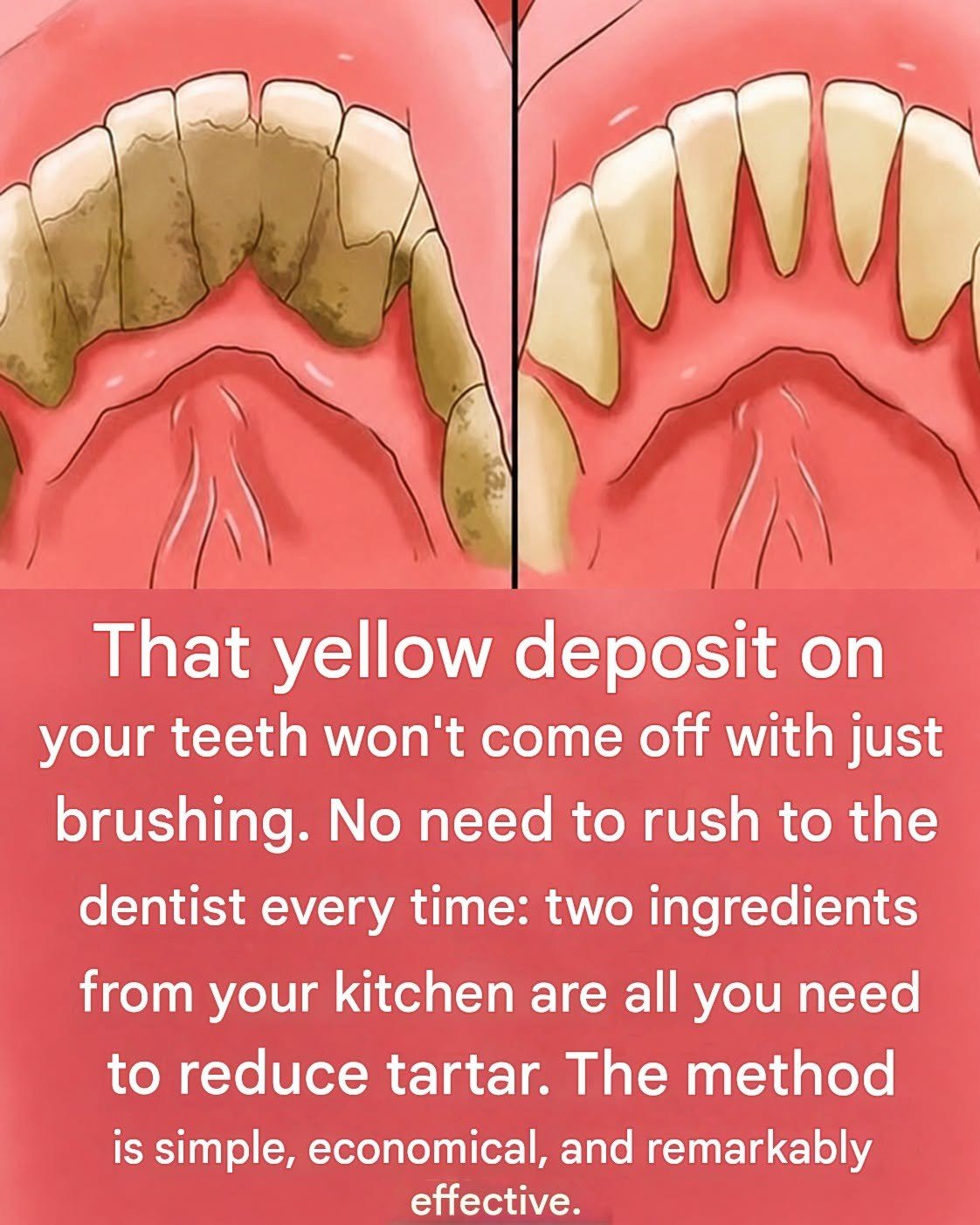
While the internet is full of “do-it-yourself” hacks for scraping off dental tartar (calculus) at home, attempting to act as your own dentist is one of the quickest ways to permanently damage your teeth and gums.
Once dental plaque hardens into tartar, it bonds calcified minerals directly to your enamel. Tartar cannot be safely removed at home—it requires the specialized ultrasonic scaling tools and precise training of a dental hygienist or dentist.
Why DIY Tartar Removal Is Dangerous
Trying to scrape or dissolve tartar at home carries severe risks:
-
Enamel Scratches & Fractures: Metal scrapers or scalers bought online are sharp and unyielding. Using them without proper visibility and training easily gouges your protective tooth enamel, creating rough microscopic grooves where new bacteria and stains stick even faster.
-
Gum Lacerations & Recessions: Slipping with a sharp metal tool can tear delicate gum tissue, leading to localized infections, scarring, and severe gum recession that exposes sensitive tooth roots.
-
Chemical Burns & Acid Damage: DIY hacks suggesting lemon juice, vinegar, or baking soda scrubs use harsh acids or abrasives that don’t dissolve tartar—they dissolve your enamel, leading to extreme sensitivity, yellowing, and cavities.
-
Incomplete Removal below the Gumline: Tartar doesn’t just sit on the visible crown of the tooth; it extends below the gumline. Scrapers only scratch the surface, leaving behind the toxic bacterial reservoir that drives chronic periodontitis and bone loss.
Safe Daily Habits: Stopping Plaque Before It Hardens
While you can’t remove tartar yourself, you have total control over removing plaque (the soft, sticky film of bacteria that hardens into tartar within 24–72 hours):
-
Brush Twice Daily for 2 MinutesUse a soft-bristled toothbrush (or an electric toothbrush, which removes up to 100% more plaque than a manual brush) angled at 45 degrees toward the gumline.
-
Use a Tartar-Control Fluoride ToothpasteLook for toothpastes containing pyrophosphates or zinc citrate, which help prevent calcium salts in your saliva from crystallizing on your teeth.
-
Floss or Water-Floss DailyInterdental cleaning cleans the 35% of tooth surfaces your toothbrush cannot reach, preventing tartar bridges between teeth.
-
Swish with an Antiseptic MouthwashAn antibacterial or therapeutic rinse kills lingering plaque bacteria and slows mineral accumulation.
-
Keep Professional Cleanings RoutineA quick 30-to-45-minute professional scaling every 6 months safely clears away accumulated tartar without damaging your enamel or gums.
