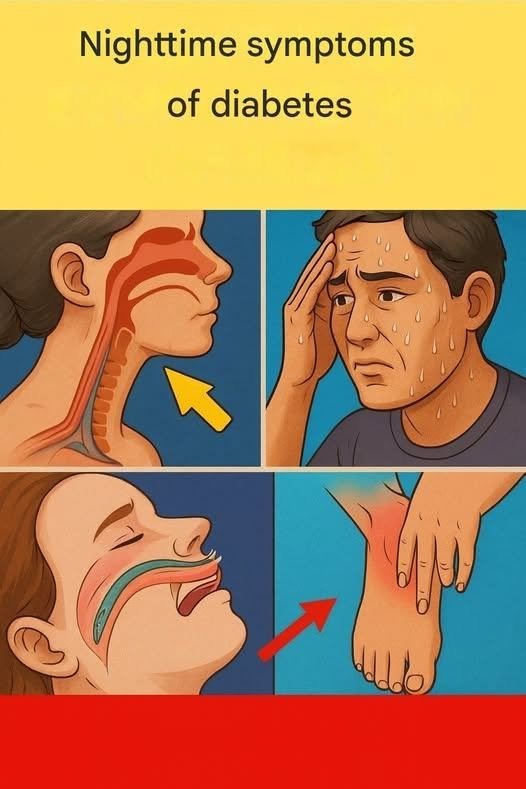
Yes, absolutely. An estimated 1 in 3 adults with prediabetes or Type 2 diabetes do not know they have it. Because Type 2 diabetes develops slowly over many years, your body often gradually adapts to rising blood sugar levels, meaning subtle warning signs are easy to dismiss as normal fatigue or aging.
When symptoms do finally appear, they are driven by excess glucose circulating in the bloodstream instead of being absorbed by your cells for energy.
The Main Symptoms of Undiagnosed Diabetes
-
Increased Thirst (Polydipsia) and Frequent Urination (Polyuria): When excess glucose builds up in your blood, your kidneys have to work overtime to filter and absorb it. When they can’t keep up, the excess sugar is excreted into your urine, dragging fluids out of your tissues and leaving you constantly thirsty and running to the bathroom.
-
Persistent Fatigue and Exhaustion: Without enough glucose entering your cells to fuel them properly, your body is starved of its primary energy source, leading to deep, unrelenting exhaustion regardless of how much you sleep.
-
Unexplained Weight Loss: Despite eating normally or even experiencing an increased appetite (polyphagia), you might drop weight quickly. Because your body cannot use glucose for energy, it starts burning muscle and fat instead.
-
Blurred Vision: High blood sugar levels can cause fluid to shift into and out of the lenses of your eyes, changing their shape and temporarily affecting your ability to focus clearly.
-
Slow-Healing Sores or Frequent Infections: Elevated blood sugar impairs your circulation and dampens your immune system response, making it harder for minor cuts, bruises, or skin and yeast infections to heal.
-
Tingling or Numbness in Hands and Feet: High blood sugar over time can damage peripheral nerves (diabetic neuropathy), resulting in prickly sensations, numbness, or burning pain in the extremities.
Because early diabetes is frequently asymptomatic, routine blood work—such as a Hemoglobin A1c test or a fasting blood glucose test during an annual physical—remains the only definitive way to catch it before complications arise.
