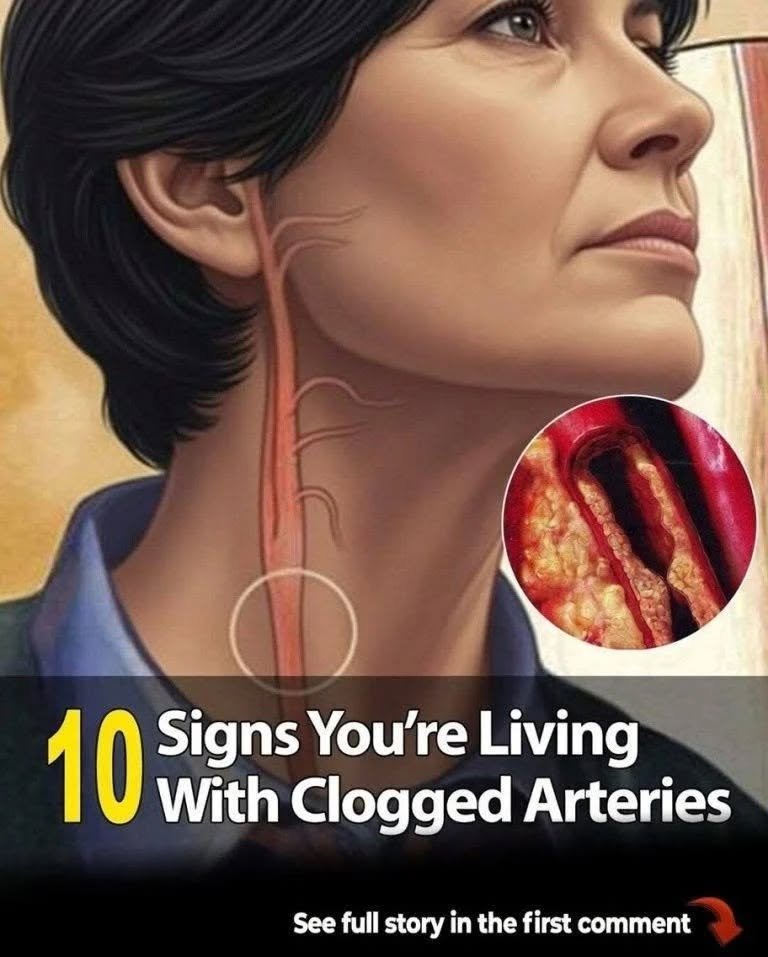
When sensationalized health articles publish alarmist lists like “10 Indicators of Blocked Arteries You Shouldn’t Ignore,” they rely on a high-anxiety tactic: taking common, everyday bodily sensations—like a mild foot cramp, a twitch, or generalized tiredness—and framing them as imminent cardiovascular disasters.
While atherosclerosis (the accumulation of plaque inside arterial walls) is a serious, progressive medical condition, arteries do not quietly hint at severe blockages through random, vague aches. When blood flow becomes genuinely compromised, the vascular system signals distress through specific, predictable physiological pathways tied to oxygen starvation in tissues.
What Actually Happens When Arteries Narrow
Atherosclerosis is a chronic, systemic inflammatory process where low-density lipoproteins (LDL) accumulate in the arterial wall, triggering an immune response that forms hard or vulnerable plaques over decades.
An artery doesn’t suddenly cause symptoms because it is partially narrowed; it causes symptoms when a plaque reduces blood flow to the point that downstream tissue experiences ischemia (oxygen starvation) during periods of high demand, or when a plaque ruptures and triggers an acute clot.
Real Clinical Signs of Arterial Compromise
When major vascular networks experience significant restriction, they produce distinct, localized warnings depending on which vascular bed is affected:
-
Intermittent Claudication (Peripheral Artery Disease): When plaque builds up in the arteries supplying the legs (such as the femoral or iliac arteries), the leg muscles do not receive enough oxygen during exertion. This manifests as a predictable cramping, aching, or tightness in the calves, thighs, or buttocks that consistently occurs after walking a specific distance and rapidly disappears with a few minutes of rest.
-
Exertional Angina (Coronary Artery Disease): As coronary arteries narrow, the heart muscle is starved of oxygen during physical activity or emotional stress. This presents as a heavy, squeezing pressure or tightness behind the sternum that eases when the heart rate drops at rest.
-
Transient Ischemic Attacks (TIAs) or Carotid Bruits: When plaque narrows the carotid arteries supplying the brain, it can temporarily cut off blood flow, causing sudden, stroke-like symptoms that resolve quickly (a TIA)—such as sudden temporary weakness on one side of the body, slurred speech, or a brief loss of vision in one eye (amaurosis fugax).
-
Erectile Dysfunction: Because the penile arteries are smaller in diameter than coronary arteries, widespread endothelial dysfunction and arterial plaque often manifest as vascular erectile dysfunction years before a cardiac event occurs.
What Clickbait Lists Falsely Blame on “Blocked Arteries”
To inflate an alarming “10 indicators” list, sensationalized articles routinely attribute normal, benign physical quirks to vascular disease:
-
Random, Resting Muscle Cramps: A sudden night cramp in the foot or calf while lying completely still is usually related to neuromuscular fatigue or electrolyte shifts—not arterial blockage, which specifically flares during exertion and rests when movement stops.
-
Cold Hands and Feet: Simply having cold fingers or toes in a chilly room is a normal physiological thermoregulation response (vasoconstriction to protect core body temperature), not a sign of blocked circulation.
-
General Fatigue or Brain Fog: Feeling tired or unfocused is a product of sleep quality, stress, or nutrition, not an isolated marker of clogged blood vessels.
The Bottom Line
Real arterial compromise follows a clear physiological rule: symptoms appear when increased tissue demand meets restricted oxygen supply (such as leg pain when walking or chest tightness when exercising). If you experience predictable, exertional pain or neurological warning signs, skip the internet alarmism and consult a physician for objective vascular testing, such as an ankle-brachial index (ABI) or a coronary calcium scan.
