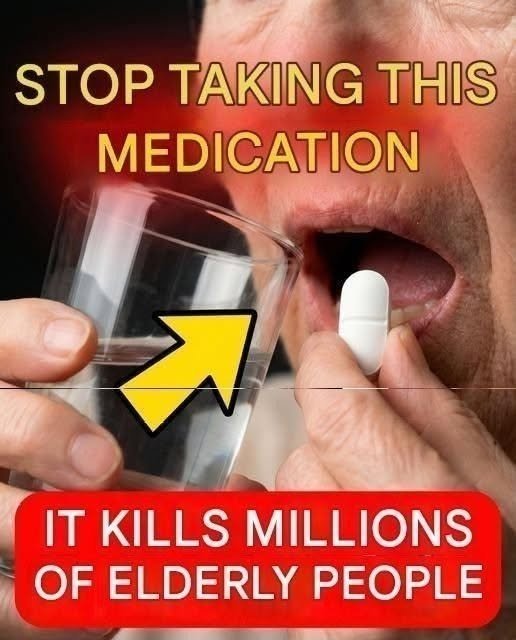
When sensationalized health articles warn that “a cardiologist warns: these 5 medications increase the risk of heart attack and stroke in older people,” they are capitalizing on a deeply effective form of anxiety: weaponizing essential, life-saving pharmaceuticals.
These articles often take complex pharmacological warnings out of context, transforming rare side effects or specific contraindications into blanket horror stories that frighten vulnerable patients—sometimes leading them to dangerously stop taking critical medications without consulting their physician.
The Reality of Medication Risks in Older Adults
Pharmacokinetics and pharmacodynamics shift as we age. Renal clearance slows down, liver metabolism changes, and the body becomes more sensitive to both therapeutic effects and adverse reactions. Because older adults are also more likely to be taking multiple medications (polypharmacy), drug interactions require careful clinical oversight.
However, regulatory warnings and clinical cautions are designed for personalized medical management, not as universal prohibitions.
Commonly Misrepresented Medication Categories
When sensationalized lists target specific drugs, they typically misrepresent how and why physicians prescribe them:
-
Nonsteroidal Anti-Inflammatory Drugs (NSAIDs): Medications like ibuprofen, naproxen, or certain prescription COX-2 inhibitors are frequently targeted because long-term, high-dose use is associated with cardiovascular risks, elevated blood pressure, and renal strain in older patients with pre-existing heart disease. However, when used intermittently and under medical guidance for acute inflammation, they remain valuable tools. The danger lies in chronic, unmonitored daily use, particularly for individuals with existing vascular compromise.
-
Certain Hormone Therapies or Decongestants: Older stimulants or systemic decongestants can cause transient spikes in blood pressure and heart rate. In patients with severe, uncontrolled hypertension or coronary artery disease, this extra cardiac workload can be problematic, but healthy individuals tolerate them without acute catastrophe.
-
Complex Psychotropic or Neurological Medications: Older classes of medications used for sleep, anxiety, or mood can sometimes cause sedation, orthostatic hypotension (sudden blood pressure drops upon standing leading to falls), or subtle rhythm shifts in frail patients. Clinical management involves careful dosage titration, not panic-driven cessation.
What Clickbait Warnings Get Wrong
Sensationalized headlines rely on a few misleading tactics to distort pharmaceutical facts:
-
Ignoring Dosages and Patient Context: A medication that poses a risk to an 85-year-old with advanced kidney disease and prior strokes is entirely different from the same drug safely prescribed in a lower dose to a robust, monitored patient. Clickbait strips away all clinical nuance.
-
Confusing Correlation with Malice: Articles often frame standard FDA black-box warnings—which exist for almost every major class of medication to document every observed side effect in clinical trials—as a hidden conspiracy or an active medical danger.
The Bottom Line
Never stop or alter a prescribed medication regimen based on an internet warning list. If you or an older loved one have concerns about potential cardiovascular side effects from a current prescription, the correct path is a direct conversation with a primary care physician or cardiologist who understands your complete medical history, lab work, and baseline health.
