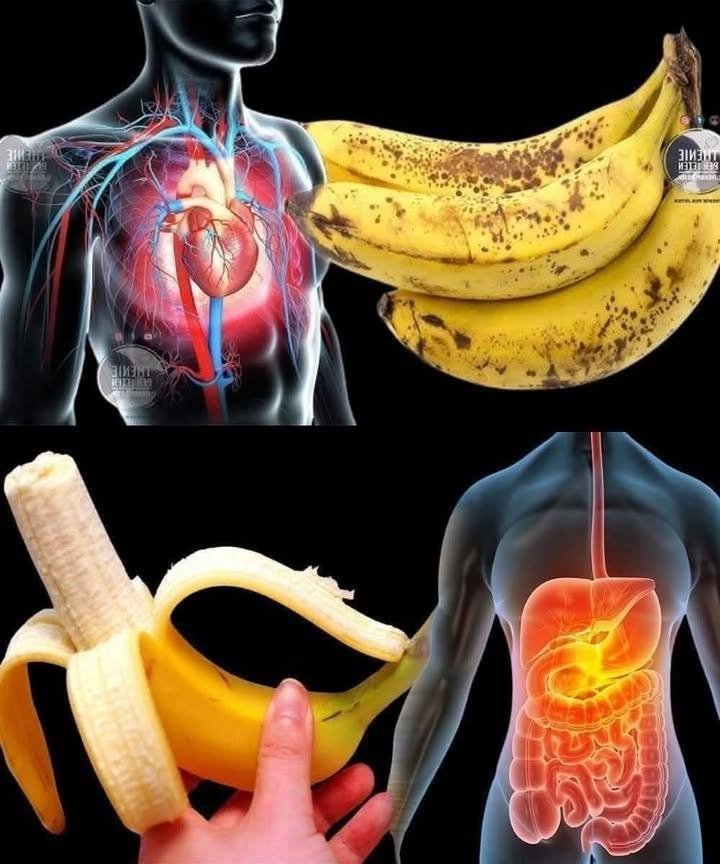
When sensationalized wellness hooks or viral social media posts start with “Did you know that eating bananas increases…”—usually finishing with a dramatic claim about rapid weight gain, blood sugar chaos, or mineral toxicity—they rely on a familiar playbook: taking a wholesome, everyday food and transforming it into a hidden metabolic hazard to drive clicks.
In reality, bananas are one of the most thoroughly researched and safely consumed fruits on the planet. They do not trigger sudden biological crises; instead, they predictably deliver a reliable package of essential macronutrients and micronutrients.
What Clickbait “Banana Increase” Myths Get Wrong
-
The “Sugar Equals Candy” Fallacy: Clickbait articles often equate the natural carbohydrates in a banana to processed table sugar, ignoring the fact that whole fruit is encased in a protective structural matrix of fiber.
-
The “Potassium Overdose” Panic: Viral posts occasionally twist normal mineral intake into a terrifying warning about hyperkalemia, blowing a rare clinical condition completely out of proportion for everyday eaters.
What Eating Bananas Actually Increases (The Clinical Reality)
Nutritionists, endocrinologists, and clinical dietitians look at bananas through the lens of human physiology, noting that incorporating them into your diet increases several beneficial physiological markers:
-
Dietary Potassium Intake: Bananas are well-known for delivering roughly 400 mg of potassium per medium fruit. Increasing your potassium intake helps your body counteract sodium, regulate fluid balance, and support healthy muscle contractions and cardiovascular function. (Note: Individuals with advanced chronic kidney disease under strict medical supervision must monitor potassium, but this is a targeted clinical exception, not a general rule.)
-
Fiber and Resistant Starch: A medium banana provides around 3 grams of dietary fiber, including resistant starch (particularly in slightly greener fruit). This increases satiety, slows down gastric emptying, and feeds beneficial gut microbes, blunting the glycemic response compared to processed sweets.
-
Essential Micronutrients (Vitamin B6 and Vitamin C): Regular consumption boosts your intake of Vitamin B6—which plays a crucial role in cognitive development, immune function, and hemoglobin synthesis—alongside supportive doses of Vitamin C and magnesium.
The Bottom Line
Eating a banana does not wreck your metabolism, cause sudden fat gain, or poison your system. It simply provides a convenient, nutrient-dense source of complex carbohydrates, fiber, and vital minerals. Skip the alarmist internet headlines and enjoy them as part of a balanced, whole-food diet.
