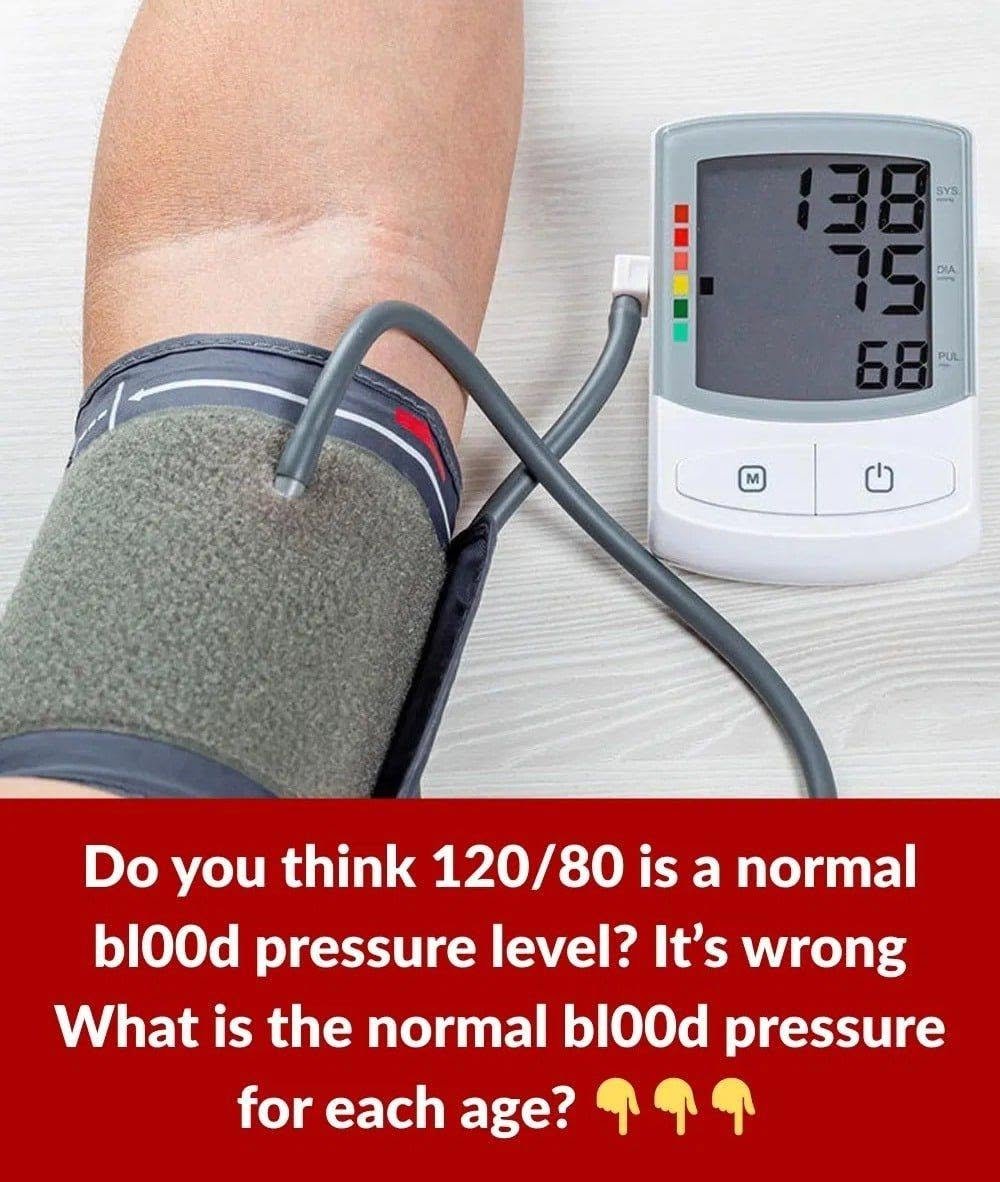
According to the American Heart Association (AHA), the American College of Cardiology (ACC), and the Centers for disease Control and Prevention (CDC), normal blood pressure does not change as you get older.
For all adults—regardless of whether you are 20, 50, or 80—a normal reading is defined as less than 120/80 mm Hg.
The Adult Blood Pressure Categories
| Category | Systolic (Top) | Diastolic (Bottom) | |
| Normal | Less than 120 | and | Less than 80 |
| Elevated | 120–129 | and | Less than 80 |
| Stage 1 Hypertension | 130–139 | or | 80–89 |
| Stage 2 Hypertension | 140 or higher | or | 90 or higher |
Why the Misconception Exists
You may have heard older rules of thumb suggesting that blood pressure should rise with age (such as “100 plus your age”). While average blood pressure tends to increase across decades due to natural arterial stiffening, average is not the same as healthy. Maintaining lower pressure significantly reduces the long-term risk of heart attack, stroke, and cognitive decline.
