Breathing New Life into Houseplants for Autumn
Transitioning your indoor flora from the high-energy months of summer to the slower, cooler pace of autumn requires a subtle shift in care. Follow these five essential steps to revitalize your houseplants and prepare them for the seasonal change.
1.1. The Light Shift (Maximizing Shifting Sunlight):Sun angles change dramatically in autumn.
As autumn arrives, the Earth’s tilt alters the angle of the sun, shortening daylight hours and lowering indoor light intensity. Move light-hungry flowering species (like African violets, orchids, or peace lilies) closer to south- or east-facing windows to catch every possible ray. Be cautious of resting leaves directly against cold glass to prevent chilling injury.
2.2. The ‘Little Secret’: Unblocking Plant Solar Panels:Dust acts as a physical sunscreen.
If your indoor flowers or foliage look dull as seasons change, dust buildup is often the culprit. Indoor dust settles on leaves over summer, blocking weakened autumn sunlight and inhibiting gas exchange. Gently wipe smooth-leaved plants with a damp microfiber cloth, or use a soft, dry brush for delicate textures.
3.3. Recalibrating the Water Cycle:Avoid the #1 fall plant trap.
Continuing a heavy summer watering routine into autumn is the fastest way to invite root rot. Because temperatures cool and light drops, indoor plants slow down their metabolism and drink far less water. Always check soil depth with your finger or a wooden chopstick before watering—if damp an inch down, wait a few more days.
4.4. Battling Dry Air and Indoor Heating:Protecting tropical humidity levels.
When heating systems turn on, indoor humidity levels plummet. Many tropical flowering houseplants struggle in dry forced-air environments, leading to brown leaf tips and bud drop. Group moisture-loving plants together, place pots on pebble trays filled with water (keeping water levels below pot bases), or run a small room humidifier nearby.
5.5. Pausing Active Fertilization:Respecting the natural resting phase.
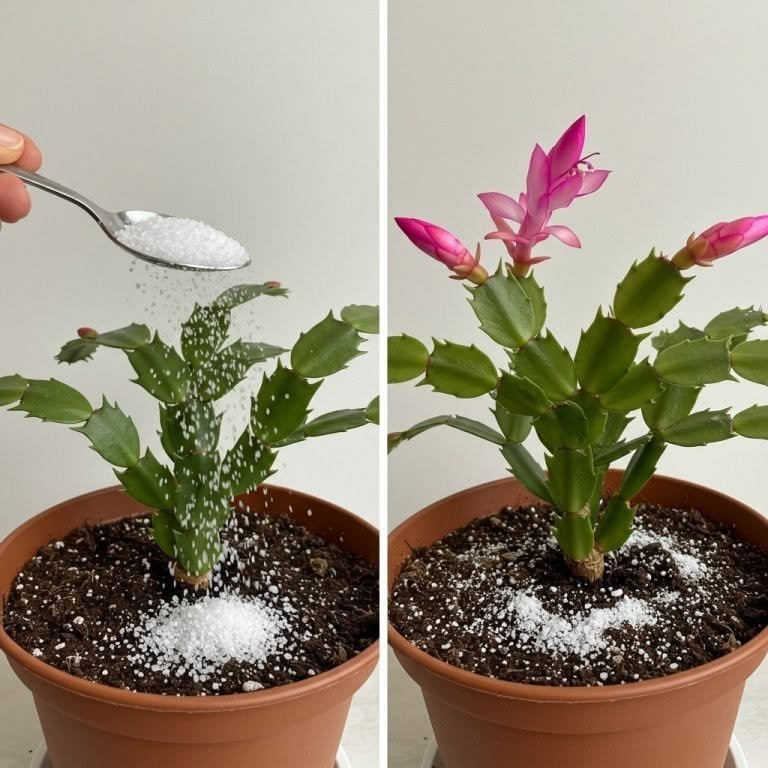
Autumn signals a natural resting or slow-growth period for most indoor species. Forcing synthetic nutrients into a plant that isn’t actively growing leaves behind mineral salts in the potting mix, which can burn roots and scorch foliage. Put away liquid plant food until spring daylight returns.
