1. The Nutrient at the Center of the Controversy
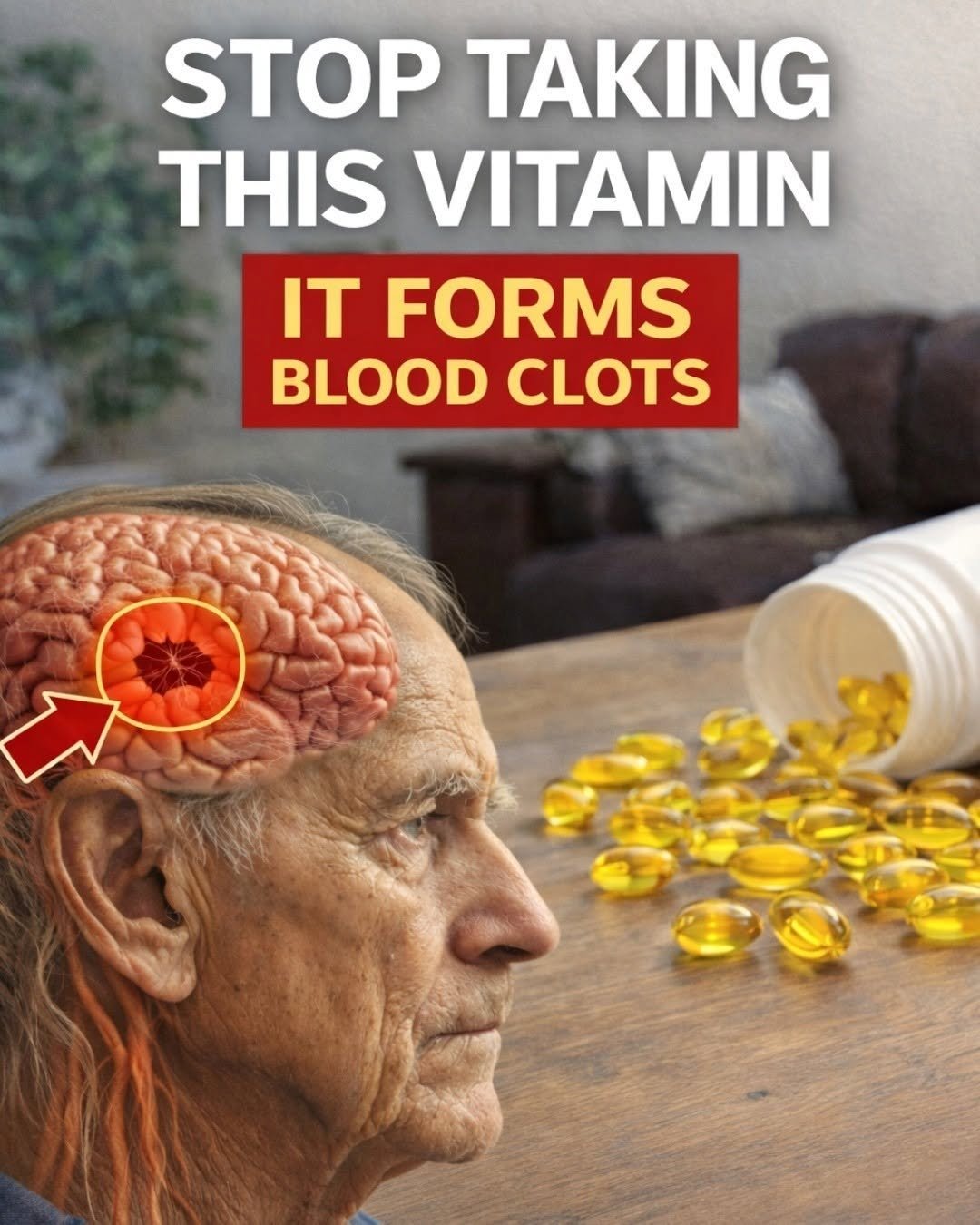
When sensational health headlines warn that a widely available vitamin could elevate stroke risks in older adults, they are typically referring to high-dose Vitamin E supplementation. As a fat-soluble antioxidant that supports immune health and cellular protection, Vitamin E is frequently found in multivitamins and high-potency standalone capsules, leading many seniors to assume that taking larger doses offers extra defense for the heart and brain.
2. What Large-Scale Clinical Trials Revealed
For years, observational research suggested a strong correlation between healthy diets and lower cardiovascular risks, prompting large-scale randomized controlled trials to test whether high-dose Vitamin E supplements could actively prevent strokes.
-
The Ischemic vs. Hemorrhagic Split: When researchers analyzed extensive trial data, a critical distinction emerged. While high-dose Vitamin E supplements (often 400 IU to 600 IU or more daily) showed little overall effect on total stroke incidence—and a very minor reduction in ischemic strokes (caused by blocked blood vessels)—they were consistently associated with a statistically significant increase in hemorrhagic strokes (strokes caused by bleeding in the brain).
-
The Underlying Mechanism: Because high pharmacological doses of Vitamin E can interfere with normal blood-clotting mechanisms and platelet aggregation, it can tip the balance unfavorably regarding cerebral bleeding risks, particularly in older adults whose vascular walls may already be more fragile.
3. Dietary Vitamin E vs. High-Dose Pills
It is vital to distinguish isolated supplement mega-doses from the Vitamin E consumed naturally through whole foods:
-
Whole Foods are Safe: Getting Vitamin E from nutrient-dense foods—such as almonds, sunflower seeds, spinach, avocados, and cold-pressed olive oils—does not flood the body with the concentrated pharmacological levels found in pills. Whole foods provide a complex matrix of beneficial compounds that regulate absorption naturally.
-
The Danger of Isolation: Popping high-potency supplement capsules isolates a single nutrient at unnaturally high concentrations, bypassing the body’s natural regulatory checkpoints and increasing potential adverse effects.
4. Key Considerations for Older Adults
-
Medication Interactions: For seniors already taking blood-thinning medications (such as daily aspirin, warfarin, or newer anticoagulants) to prevent clots, adding a high-dose Vitamin E supplement can dangerously compound bleeding risks.
-
Consult Your Physician: Standard multivitamins containing modest, recommended daily values of Vitamin E generally pose no concern. However, older adults should always review their supplement regimen with a doctor or neurologist before starting high-potency single-nutrient products.
