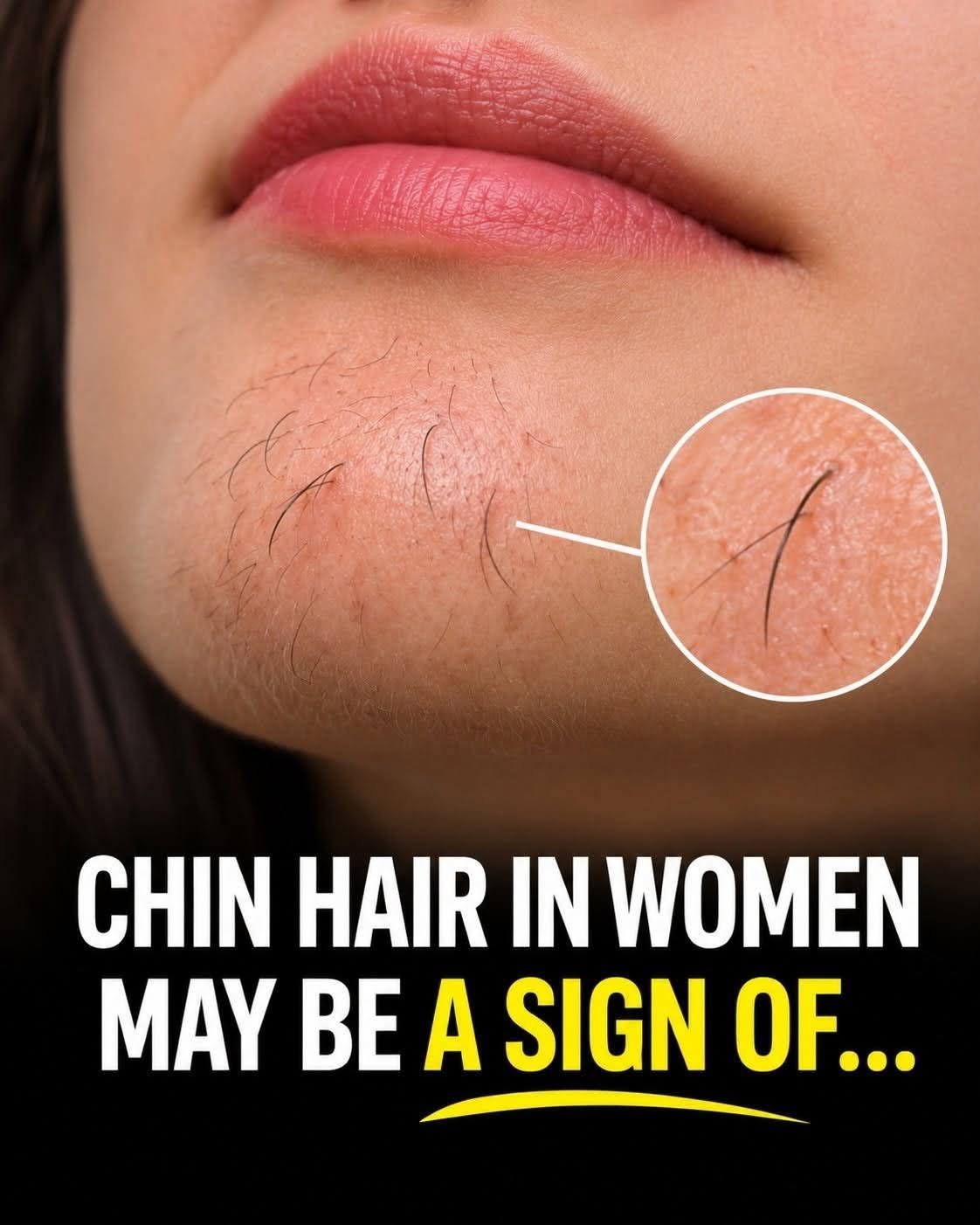
1. What Is Hirsutism?
While finding a stray, coarse hair on the chin as you age is a very common and normal part of life, the sudden appearance of thick, dark facial hair has a medical name: hirsutism. Unlike fine, translucent peach fuzz (vellus hair), hirsutism involves the growth of thick, pigmented terminal hair in a male-pattern distribution across the chin, upper lip, jawline, and neck.
2. The Core Culprit: Androgen Hormones
The primary biological trigger behind hirsutism is an excess of—or heightened sensitivity to—androgens (often referred to as male hormones, such as testosterone), which are naturally produced in smaller quantities by women. When androgen levels fluctuate or run high, they stimulate hair follicles to convert soft peach fuzz into coarser, darker strands.
3. Potential Underlying Medical Causes
While some cases are simply genetic or “idiopathic” (meaning hormone levels and cycles are completely normal), persistent chin hair can occasionally signal an underlying health condition that warrants evaluation:
-
Polycystic Ovary Syndrome (PCOS / PMOS): One of the most frequent hormonal causes, PCOS involves a shift in sex hormone balance, often accompanied by irregular periods, stubborn weight changes, or hormonal acne.
-
Menopausal Shifts: As women transition through perimenopause and menopause, estrogen levels drop significantly. This relative shift can cause androgens to become more dominant, leading to new or increased facial hair growth.
-
Adrenal Conditions: Less common conditions, such as non-classical congenital adrenal hyperplasia or Cushing syndrome, affect how the body’s adrenal glands produce steroid hormones.
4. When to Consult a Doctor
For most people, a few chin hairs are merely a cosmetic nuisance easily managed with tweezing, waxing, or laser removal. However, you should schedule a checkup with a primary care physician, dermatologist, or gynecologist if you notice:
-
Rapid, heavy, or sudden hair growth over a short period.
-
Accompanying symptoms like irregular menstrual cycles, deepening voice, sudden weight fluctuations, or severe adult acne.
-
Hair growth that causes significant emotional distress or anxiety.
