 Admin
Admin Waking up with a mouth that feels like the Sahara desert is more than just an annoying morning nuisance—it’s usually a physical signal from your body indicating that something disrupted your oral moisture balance overnight.
Saliva production naturally slows down while you sleep, but when you wake up parched, sticky, or sore, it often points to a few common culprits.
The Most Common Culprits
-
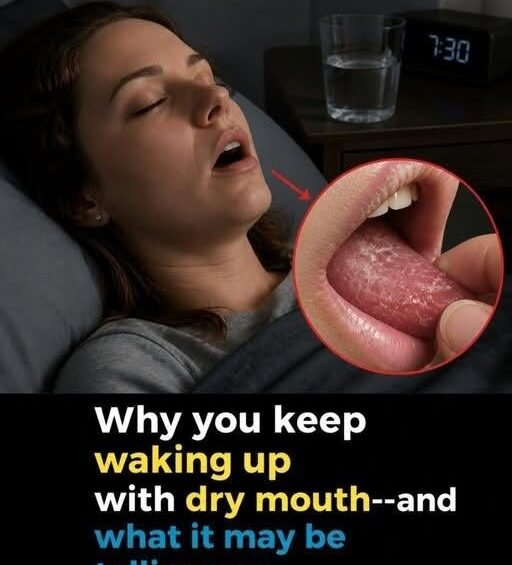
Nocturnal Mouth Breathing: This is the #1 reason for waking up dry. If you have a stuffy nose from allergies, a deviated septum, or sleep apnea, you end up breathing through your mouth all night. That constant airflow acts like a convection oven, evaporating every drop of moisture on your tongue and palate.
-
Medication Side Effects: Hundreds of common prescription and over-the-counter medications—especially blood pressure drugs, antihistamines, decongestants, and antidepressants—list dry mouth (xerostomia) as a primary side effect. If you take your doses in the evening, their drying effects peak right while you sleep.
-
Evening Dehydration, Alcohol, or Caffeine: Consuming alcohol, caffeinated beverages, or heavy, salty meals too close to bedtime acts as a diuretic or throws off your fluid balance, leaving you dehydrated by morning.
-
Underlying Health Factors: Chronic morning dry mouth can occasionally be linked to conditions like diabetes, sleep-disordered breathing, or autoimmune disorders like Sjögren’s syndrome, where the immune system attacks moisture-producing glands.
Simple Ways to Find Relief
If morning dryness is becoming a regular routine, a few adjustments can protect your comfort and your dental health (since saliva is critical for fighting cavities):
-
Run a Humidifier: Placing a cool-mist humidifier in your bedroom adds moisture back into the air, preventing your airways and oral tissues from drying out.
-
Support Nasal Breathing: If congestion is the issue, try saline nasal sprays or adhesive nasal strips before bed to encourage breathing through your nose.
-
Hydrate Smartly: Keep a glass of water on your nightstand, but focus on steady hydration throughout the day rather than chugging a massive glass right before bed (which will only disrupt your sleep with midnight trips to the bathroom).
-
Check Your Cabinet: If you recently started a new medication and notice your symptoms tracking with it, consult your doctor or pharmacist. They may be able to adjust your dosage timing or suggest an alternative.
-
Skip Alcohol-Based Mouthwashes: Traditional mouthwashes can strip moisture. Switch to an alcohol-free rinse or a specialized moisturizing dry-mouth mouthwash.
Is the dry mouth accompanied by other symptoms like daytime fatigue, snoring, or a new medication you’ve recently started?