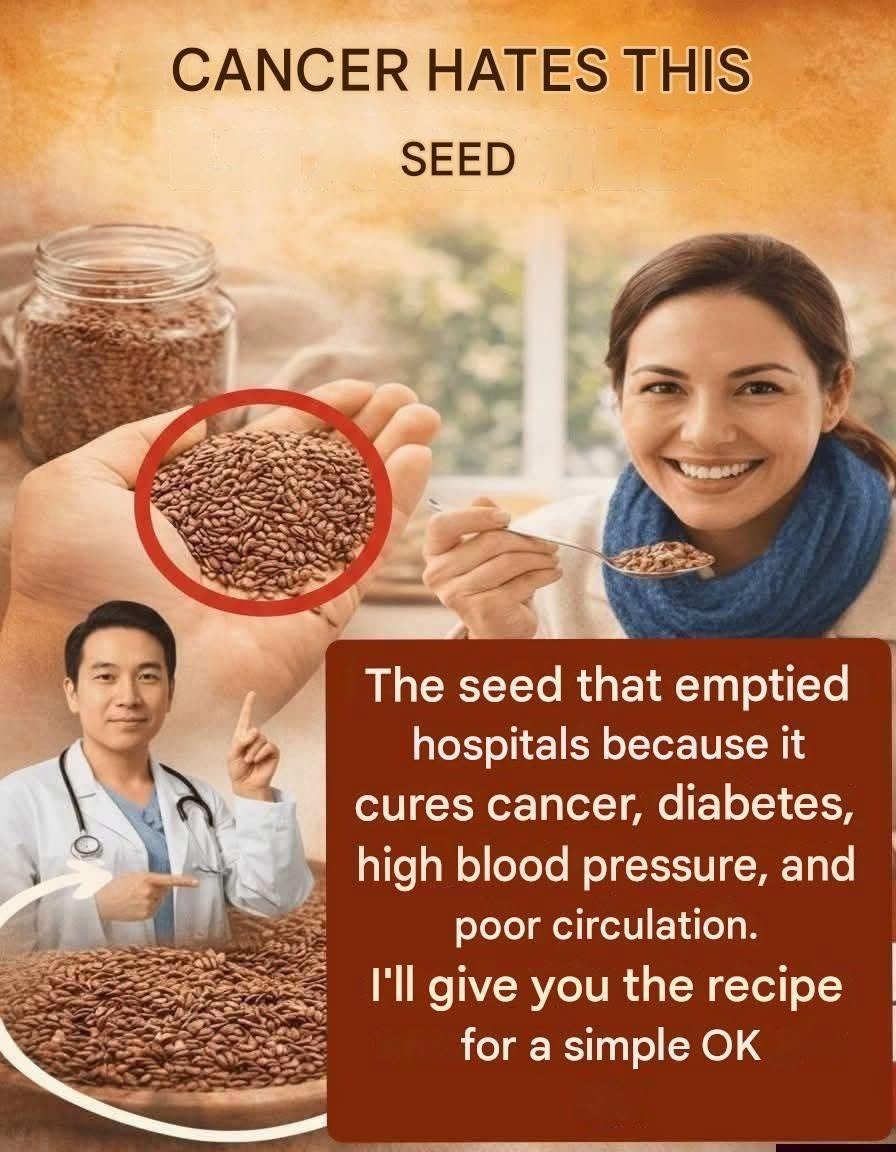
Sensationalized social media posts and viral video thumbnails frequently use dramatic claims like “THESE SEEDS DESTROY EVEN THE DEADLIEST DISEASE” to promote a single botanical seed—such as black seed (Nigella sativa), apricot pits (amygdalin/laetrile), moringa (malunggay), or chia seeds—as a miraculous cure for terminal illnesses like cancer, severe diabetes, or advanced cardiovascular disease.
In clinical pharmacology and oncology, no single seed, herb, or superfood possesses the biological capability to “destroy” or cure deadly systemic diseases.
While many seeds are nutritionally dense and offer modest health benefits when included as part of a balanced diet, claims of a single “miracle seed” cure are biologically impossible and clinically unfounded.
Here is an objective, science-based breakdown of the most commonly sensationalized seeds, the biological realities behind them, and the extreme risks of relying on unverified internet cures:
Fact-Checking Common “Miracle Seed” Claims
1. Black Seed (Nigella Sativa)
-
The Viral Claim: “Cures every disease except death.”
-
The Science: Black seed contains thymoquinone, an active compound with documented antioxidant, anti-inflammatory, and mild antimicrobial properties in laboratory petri dish and animal studies.
-
The Clinical Reality: While black seed oil can be a healthy dietary supplement that mildly supports metabolic markers (such as baseline blood sugar or blood pressure), it cannot eliminate established malignant tumors, reverse viral infections like HIV, or replace standard medical therapies.
2. Apricot Seeds (Pits / Amygdalin / “Vitamin B17”)
-
The Viral Claim: “Destroys cancer cells naturally without chemotherapy.”
-
The Science: Apricot kernels contain amygdalin, a compound that breaks down into hydrogen cyanide in the human digestive tract. Proponents claim cyanide selectively targets cancer cells, but clinical trials show otherwise.
-
The Clinical Reality: Multiple rigorous clinical trials conducted by major cancer research institutions (such as the National Cancer Institute) concluded that amygdalin/laetrile is ineffective at treating cancer. Worse, eating apricot seeds in high quantities causes cyanide poisoning, leading to severe nerve damage, liver toxicity, coma, and death.
3. Moringa Seeds (Moringa Oleifera)
-
The Viral Claim: “Eliminates over 300 diseases including terminal cancer and severe hypertension”.
-
The Science: Moringa seeds are rich in vitamins, minerals, and plant polyphenols.
-
The Clinical Reality: While moringa is a nutrient-dense food that supports general dietary wellness, there is zero clinical evidence that consuming moringa seeds cures chronic structural conditions or late-stage systemic diseases.
Why a Single “Panacea” Is Biologically Impossible
-
Disease Complexity: Complex deadly conditions like cancer, advanced heart failure, or kidney failure are driven by intricate genetic mutations, systemic inflammation, and structural tissue damage. A food item cannot target every pathological pathway simultaneously.
-
Bioavailability & Concentration: Lab studies using concentrated seed extracts in a petri dish (in vitro) do not translate directly to human digestion (in vivo). Enzymes in the gut break down compounds long before they could reach target tissues at “disease-destroying” concentrations.
-
The Danger of Delayed Care: The primary clinical danger of “miracle cure” headlines is that vulnerable individuals may delay or forego evidence-based medical treatments (like surgery, targeted therapy, or prescribed medications), allowing manageable conditions to progress into untreatable stages.
The Medical Recommendation
Nutritious seeds—such as flaxseeds, chia seeds, pumpkin seeds, and black seeds—are excellent additions to a whole-food diet because they provide dietary fiber, healthy omega-3 fatty acids, and essential trace minerals.
However, they should strictly be viewed as part of overall healthy nutrition, never as a primary treatment or cure for serious illness. If you or a loved one are facing a serious health diagnosis, rely on thorough diagnostic testing and guidance from qualified healthcare specialists.
